Paddle Accessory Options
5-6 LIFEPAK 20 Defibrillator/Monitor Operating Instructions
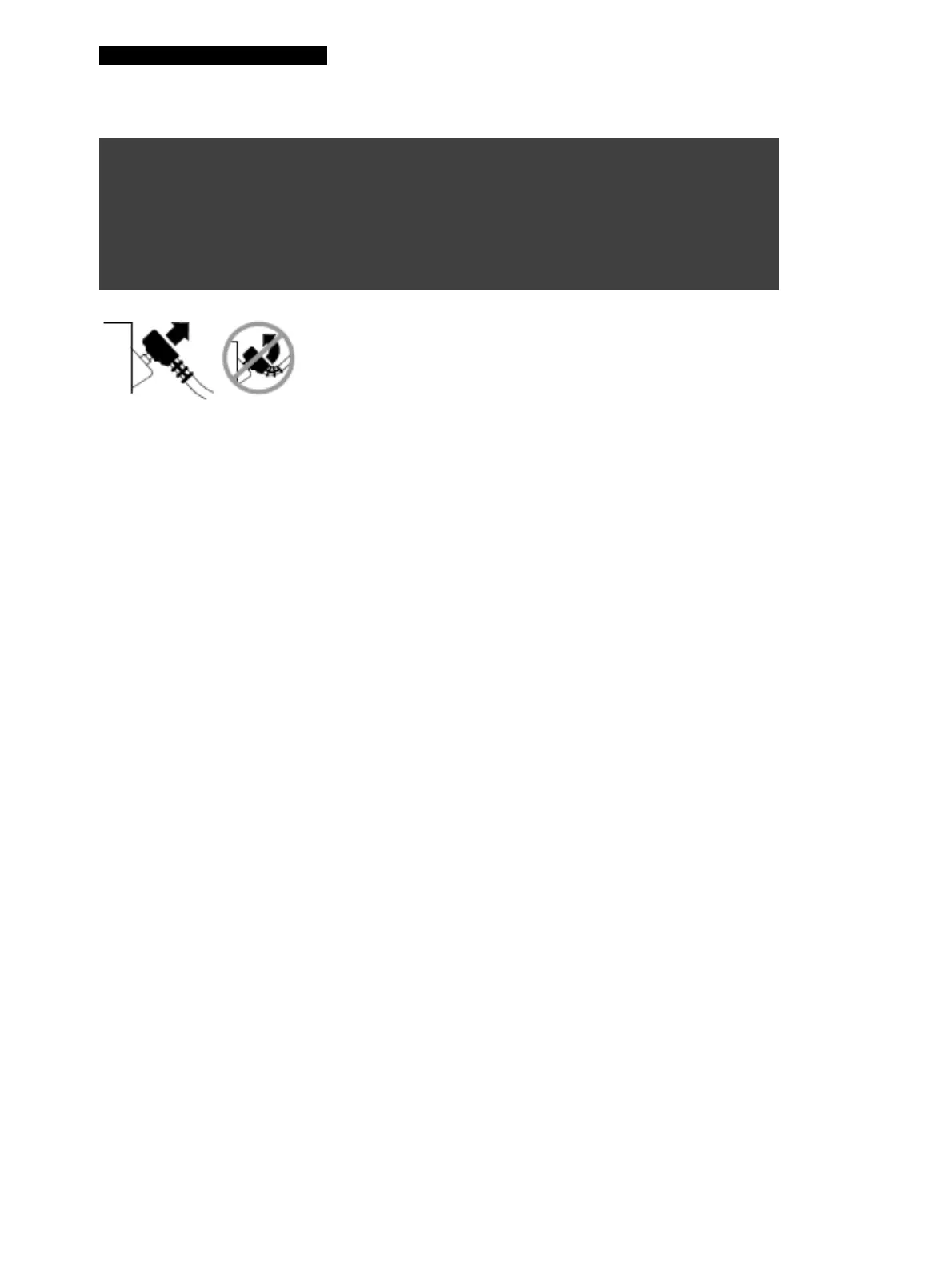
Figure 5-7 Disconnecting Defibrillation Cable from Test Post
Testing
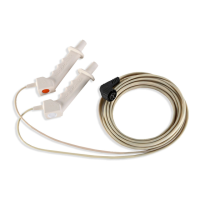
As part of your defibrillator test routine, inspect and test the QUIK-COMBO therapy cable or
FAST-PATCH defibrillation adapter cable. Daily inspection and testing will help ensure that the
defibrillator and therapy cables are in good operating condition and are ready for use when needed.
Note: During the daily auto test and the user test, energy is discharged through the therapy
cable, testing the defibrillation component of the therapy cable. Performing the therapy cable test
on the Operator’s Checklist checks the sensing component of the therapy cable. Complete therapy
cable integrity is checked when both tests are performed.
If you detect any discrepancy during inspection and testing, remove the therapy cable from use and
immediately notify a qualified service technician.
Cleaning and Sterilizing
QUIK-COMBO and FAST-PATCH electrodes are not sterile or sterilizable. They are disposable and are
to be used for a single patient application. Do not autoclave, gas sterilize, immerse in fluids, or clean
electrodes with alcohol or solvents.
WARNING!
Possible cable damage and ineffective energy delivery or loss of monitoring.
Improper disconnection of the defibrillation cable may damage the cable wires. This can result in
failure to deliver energy or loss of ECG signal during patient care. Position the cable so that it will not
be pulled, snagged, or tripped over. Do not disconnect the defibrillation cable snap connectors from
electrode posts or posts on testing devices by pulling on the cable. Disconnect the cable by pulling
each cable connector straight out (refer to Figure 5-7).



 To Next Page