PicoQuantGmbH MultiHarpSoftwareV.3.1.0.0
tweenphotoneventandthenextlaserpulse(unlessalongcabledelayisinserted).Thisstillworks(bysoftware
datareversing)butisinconvenientintwoways:
1) Havingtoreversethedataleadstounpleasantrelocationofthedatadisplayedonatruetimeaxiswhen
thetimeresolutionischanged.
2) Changingbetweenslowandfastexcitationsourcesrequiresreconnectingtodifferentinputs.
TheMultiHarpisverydifferentinthisrespect,asitallowstoworkinforwardstartstopmode,evenwithfast
lasers.Thisisfacilitatedbytwodesignfeatures:
1) IndependentoperationoftheTDCsofallchannels,and
2) aprogrammabledividerinfrontofthesyncinput.
Thedividerallowstoreducetheinputratesothattheperiodisatleastaslongasthedeadtime.Internallogic
determinesthesyncperiodandre-calculatesthesyncsignalsthatweredividedout.Itshouldbenotedthatthis
onlyworkswithstablesyncsourcesthatprovideaconstantpulse-to-pulseperiod.Virtuallyallcurrentlyavail-
ablefastlasersourcesmeetthisrequirementwithinanerrorbandofafewpicoseconds.Note:forslowsync
sources(<1MHz)thesyncdividershouldnotbeused(settoNone).Similarly,thedividermustnotbeusedin
coincidencecorrelationmeasurements(orsimilarapplications)whenthesyncinputreceivesnon-periodic(ran-
dom)pulsesfromaphotondetector.Insummary:TheMultiHarpisdesignedtoalwaysworkinforwardstart-
stopmode.
Experimental Setup for Fluorescence Decay Measurements with TCSPC
Thefigurebelowshowsatypicalsetupforfluorescencelifetimemeasurementsusingoneinputchannelofthe
MultiHarp.
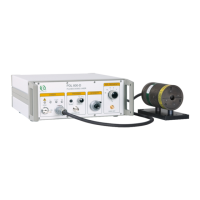
Thepicoseconddiodelaser(PDL800–Bdriverwithattachedlaserhead)istriggeredbyitsinternaloscillator
(settableat2.5,5,10,20and40MHz).Thelightpulsesoftypically<70psFWHM,aredirectedtowardthesam-
plecuvetteviaappropriateoptics.Aneutraldensityfiltercanbeusedtoattenuatethelightlevelsifnecessary.
Uponexcitation,thefluorescentsamplewillemitlightatalongerwavelengththanthatoftheexcitationlight.The
fluorescencelightisfilteredoutfromscatteredexcitationlightbymeansofanopticalcut-offfilter(otherconfigu-
rationsmayuseamonochromatorhere).Thenitisdirectedtothephotondetector,againpossiblyviasomeap-
propriatecollectionoptics,e.g.,amicroscopeobjectiveoralens.
Asaphotondetectorthe10721PMTsfromHamamatsuareveryconvenient.Theyonlyneeda5Vsupplyand
haveaninstrumentresponsewidthof<250ps,allowingmeasuringlifetimesevenmuchshorterthanthisviade-
convolution.Ifahighertimeresolutionisrequired,thedetectorofchoiceisanMCP-PMToraHPD.Theelectri-
calsignalobtainedfromthedetector(smallnegativepulsesoftypically−10to−50mV)isfedtotheTCSPC
electronicsviaapreamplifier(e.g.,PAM105fromPicoQuant).Thisgivespulsesof−100to−500mV.Thelevel
triggeristhensetforfallingedgeande.g.,80mV.Cablingisdoubleshielded50Ωcoaxcable.Ifthedetectoris
aSPADmodulewithTTLoutputthentheinputtriggerlevelmustbesettoapositivevoltageandrisingedge.
TTLsignalsmustbebeattenuated(-10dB)toavoidinputdamageandtoreducecross-talk.SomeSPADde-
viceslikethePDMseriesfromMPDprovidenegativetimingsignalsthatcanalsobeslightlyattenuated(-10dB)
forlowercross-talk.ThePDLSeriesoflaserdriversreadilyprovidetheelectricsyncsignalneededforthepho-
tonarrivaltimemeasurement.Thissignal(anarrownegativepulse)isalsofedtotheTCSPCelectronicsviaa
highquality50Ωcoaxcable.WhenusingtheMultiHarpincombinationwiththePDL800–BorasimilarPico-
Quantlaserdriver,a10dBattenuatorcanbeinserteddirectlyatthesyncoutputofthelaserdriver.Thisre-
ducescross-talk.whenthedetectorsignalsarerelativelyweak.Ifthelaserdoesnotprovideanelectricalsync
signal(e.g.Ti:Salasers),asyncdetector(photodiode)suchastheTDA200mustbeused.
Page14


 To Next Page