38 P/N 2018 - 10 B Rev A 6 – Release
EMC Information
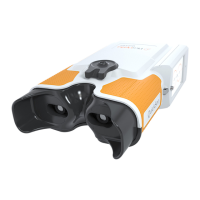
The QuickSee has been tested and found to comply with the limits for a Class A dig-
ital device, pursuant to Part 15 of the FCC Rules. This medical device is suitable for
use in all establishments other than domestic and those directly connected to the
public low-voltage power supply network that supplies buildings used for domestic
purposes. This equipment generates, uses, and can radiate radio frequency ener-
gy and, if not installed and used in accordance with the user’s manual, may cause
harmful interference to radio communications. However, there is no guarantee that
interference will not occur in a particular installation. If the QuickSee does cause
harmful interference to radio or television reception, which can be determined by
turning the QuickSee off and on, the operator or user is encouraged to try to correct
the interference by one or more of the following measures:
• Reorient or relocate the receiving or broadcasting antenna.
• Increase the separation between the QuickSee and receiver.
• Connect the QuickSee into an outlet on a circuit different from that to which the
receiver is connected.
• Consult the dealer or an experienced radio/TV technician for help.
The maximum wireless signal rate for the system is derived from IEEE Standard
802.11b/g/n specifications. Actual data throughput will vary. Network conditions
and environmental factors, including the volume of network traffic, building materi-
als and construction, and network overhead, may lower actual data throughput rate.
Environmental conditions will adversely affect wireless signal range.
Environmental Protection
The QuickSee contains lithium ion cells and other electronic materials. Please
contact your local government authorities and consult with relevant laws for proper
electronic disposal methods or recycling at device end of life.


 To Next Page