43P/N 2018 - 10 B Rev A 6 – Release
Environmental Protection
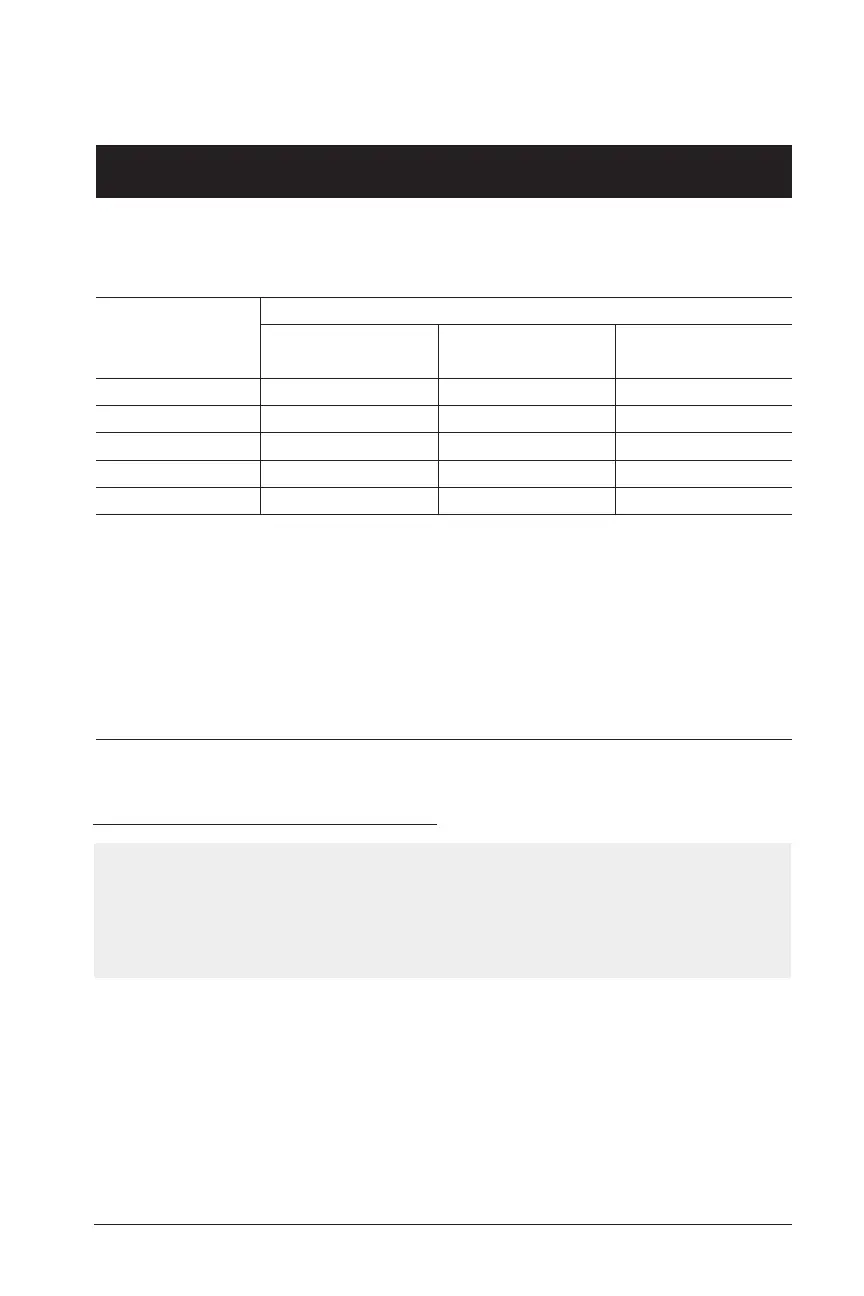
Recommended separation distance between portable or mobile devices for
radio communication and the device
The QuickSee is manufactured to work in an electromagnetic environment in which the radiated RF dis-
turbances are controlled. The user/operator of the device could prevent electromagnetic interferences
by assuring a minimal distance between the portable or mobile RF communication devices (transmitter)
and the device as recommended in the chart below, in respect of the output maximum power of the
radio communication devices.
Output maximum
frequency (m)
nominal power of
the transmitter (W)
Separation distance at the transmitter output maximum frequency (m)
From 150 kHz to 80 MHz
D= 1.2 x ÖP
From 80 MHz to 800 MHz
D= 1.2 x ÖP
From 800 MHz to 2.5 GHz
D= 2.3 x ÖP
0.01 0.12 0.12 0.23
0.1 0.38 0.38 0.73
1 1.2 1.2 2.3
10 3.8 3.8 7. 3
100 12 12 23
For the transmitter with output maximum nominal power not reported above, the separation distance d
in meters can be calculated using the applicable equation at the frequency of the transmitter, where P is
the output maximum nominal power of the transmitter in Watts specified by the transmitter manufac-
turer.
Notes:
(1) At 80 MHz and 800 MHz it is applicable the higher frequency range.
(2) This line guide could not be applicable in every circumstance. The electromagnetic propagation is
affected by the absorption and the reflection of structures, people or objects.
FCC Compliance Statement
NOTE: This equipment has been tested and found to comply with the limits for a
Class A digital device, pursuant to Part 15 of the FCC Rules. These limits are designed
to provide reasonable protection against harmful interference when the equipment
is operated in a commercial environment. This equipment generates, uses, and can
radiate radio frequency energy and, if not installed and used in accordance with the
instruction manual, may cause harmful interference to radio communications. Oper-
ation of this equipment in a residential area is likely to cause harmful interference in
which case the user will be required to correct the interference at his own expense.
This device complies with Part 15 of the FCC Rules. Operation is subject to the
following two conditions: (1) this device may not cause harmful interference and
(2) this device must accept any interference received, including interference
that may cause undesired operation.


 To Next Page