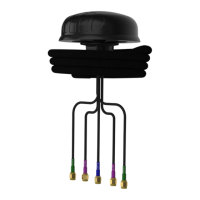
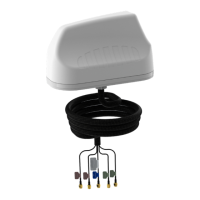
15. MOUNTING THE ANTENNA
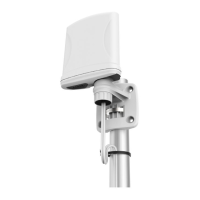
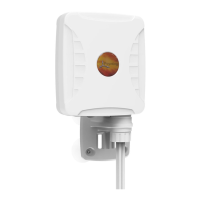
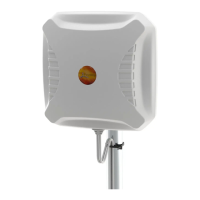
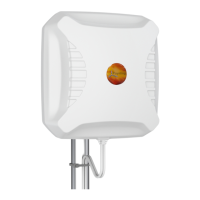
Mounting RIPPLE
:
Following the recommendation to mount the RIPPLE
as high as possible
above the waterline, possibly on one of the Mast telecommunication equipment extensions.
Page 24 details the mounting hole positions for this option.
16. EXTERNAL CABLES TO THE RIPPLE
During the site survey, walk the path where the cables will be installed. Pay particular
attention to how cables will be installed, such as what obstacles they will be routed around,
difficulties that will be encountered and the overall length of the cables.
The RIPPLE
should be installed using good electrical practice. Poynting recommends
referring to IEC 60092-352 for specific guidance in choosing cables and installing cables
onboard a Vessel.
Within these guidelines, Poynting will provide some very general information regarding the
electrical installation.
In general, all cables shall be protected from chaffing and secured to a cableway. The cables
which run on an open deck or down a mast should be in a metal conduit suitable for marine
use. The conduit shall be blown through with dry air prior to passing the cable to ensure all
debris has been cleared out of the conduit and again after passing the cable to ensure no
trapped moisture exists.
The ends of the conduit shall be sealed with cable glands (preferred), mastic or low VOC
silicon sealant after the cables have been passed through. Cables passing through
bulkheads or decks shall be routed through approved weather-tight glands.
17. GROUNDING AND RF PROTECTION
All metal parts of the RIPPLE should be grounded to bare metal that is common to the hull of
the vessel. This is commonly accomplished by attaching a ground wire/cable from the upper
base plate ground point to a ground stud on the mounting mast near the base of the radome.
Preservation of the bare metal contact point should be done to prevent loss of ground due to
rust and/or corrosion.
Grounding by exposing bare metal under all mounting bolts of the underside of the radome
base prior to final tightening does NOT provide adequate grounding to the RIPPLE.
Grounding should be ensured throughout the entire mounting to the hull. While it is presumed
the installation surface is permanently bonded and grounded to the hull, in cases where the
installation point and hull are of different materials a check of an independent ground
bonding strap should be made.
Masts should be confirmed to be grounded to the deckhouse and/or hull.


 To Next Page