Section 7 Docking Station Technical Io
SENSOR
84
SMT-200 Operations and Technical Manual 2.00/R1
7.2 PC Interface
The SMT-200 is connected to the docking stations Centronics 24 way connector (J1) . The geophone
sockets on the docking station, the Smartec RJ-11 (JP3) and the output of battery charger #1 connect
directly to J1. The PC’s handshake signals also connect directly to J1.
The Data Terminal Ready (DTR) line has a secondary function. When active it will switch the SMT-200
on. When DTR is asserted the mosfet Q1 will conduct and toggle the power on flip flop in the
SMT-200.
7.3 Battery Charging
There are two totally independent charging circuits built around U6 and U7. These devices are
UC3906 sealed lead acid battery charger IC’s. These controllers contain the necessary circuitry to
optimally charge sealed lead acid batteries. These type of batteries have specific charging
requirements so the SMT-200 batteries should only be charged on the docking station.
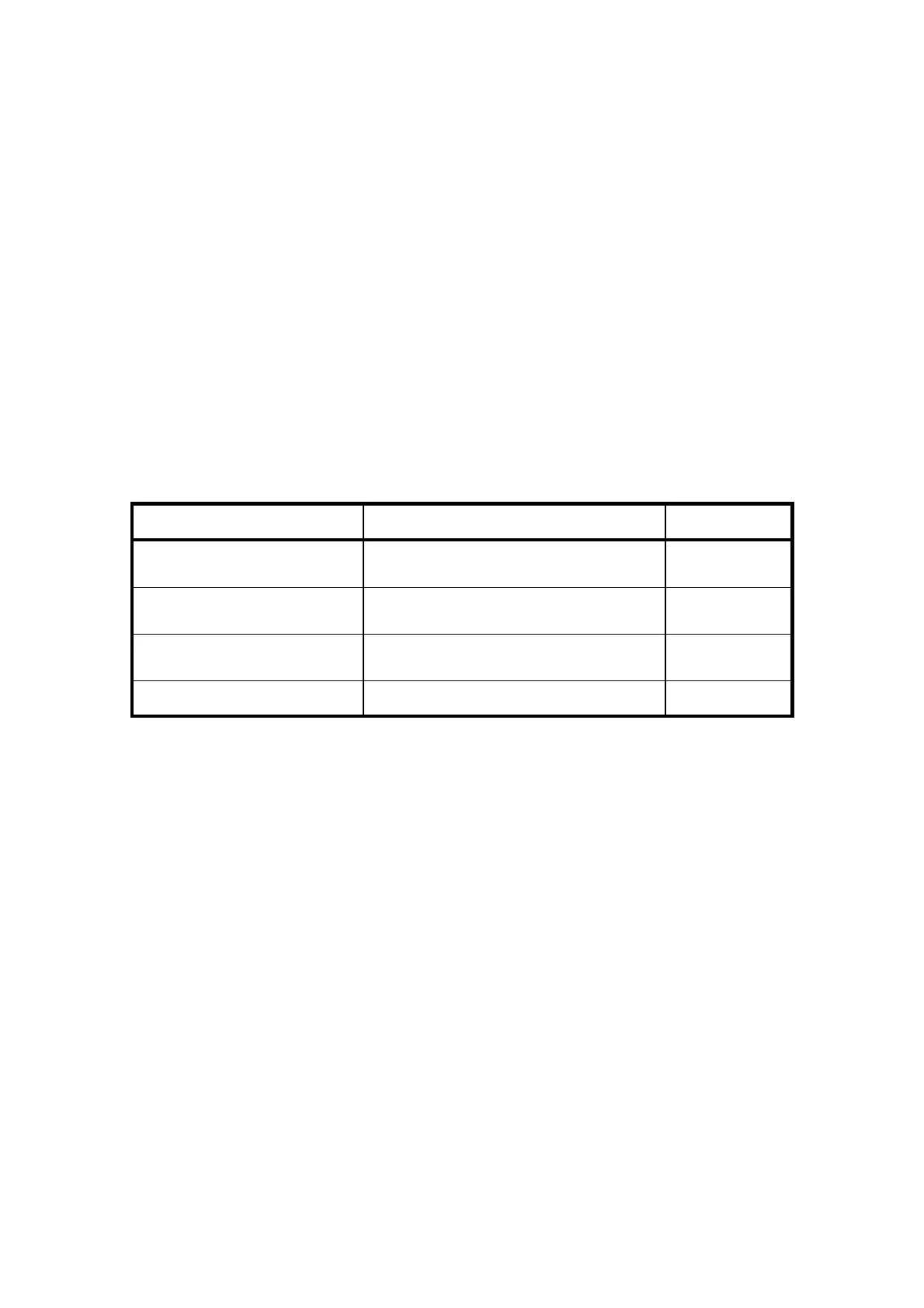
There are four basic states the charging circuit will assume (see table below).
STATE DESCRIPTION LED COLOUR
1
Low Current Turn on
Very small current. Checks for dead or
disconnected battery.
off
2
Bulk Charge
High current to minimise charging
time.
RED
3
Controlled Overcharge
Battery V and I monitored to prevent
overcharging
ORANGE
4
Precision Float Charge Trickle charge (same as State 1) GREEN
The dual colour LED has a green and red LED. If both are on at the same time the LED will ap`pear
orange in colour.
The two charging circuits are similar. Battery charger #1 has some additional circuitry that
compensates for the extra current the SMT-200 draws when connected to the charger.
Looking at Charging Circuit #2, when the battery is first connected it starts to charge by the current
flowing through R23. If the battery is shorted this will limit the current to a safe level. Once this current
has caused the battery voltage to increase above a preset threshold the charger will switch to State 2
(Bulk Charge) and continue to charge the battery until the battery voltage rises to 95 % of the Over
Charge voltage. At this point the charger will switch to State 3, the Controlled Overcharge state.
During State 2 and State 3 the Over Charge Terminate pin of U7 (pin 8) is low turning on Q7 and the
red LED. It will continue charging until the current drops to 10% of the maximum current supplied
during State 2 (about 500 mA). At this point the charger will assume State 4 (the trickle charge state)
where the battery is floated via the current flowing through R23. Pin 8 of U7 will now turn the red LED
off.
The green LED is turned on via Q9 and Q8. The transistor Q8 is will turn the LED on (via Q9) when
sufficient current flows through D6 providing pin 10 of U7 is high. If pin 10 is low (as it is during State 1
and 2) Q8 will not conduct regardless if Q11 is on or off preventing the green LED from illuminating.
The Charger #1 (SMT-200) is very similar with the addition of a relay. Relay K1 will energise when the
SMT-200 is switched on, adding R16 into the circuit. The effect of this to the change the point the


 To Next Page