EasyManua.ls Logo

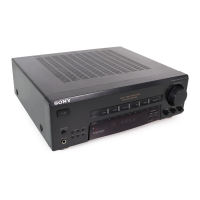
Sony STR-SE591 - User Manual

Sony STR-SE591
56 pages
Print Icon
To Next Page IconTo Next Page
Loading...
3-866-969-12(1)
FM
Stereo
FM-AM
Recel
ver
Operating
Instructions
STR-DE935
STR-DE835
STR-SE591
©
1999
by
Sony
Corporation
Question and Answer IconNeed help?

Do you have a question about the Sony STR-SE591 and is the answer not in the manual?

Summary

Precautions

On safety

General safety guidelines to prevent fire or electric shock hazards when using the unit.

On power sources

Instructions on connecting to the power supply and handling the AC power cord.

Hooking Up the Components

Unpacking

List of items to check upon receiving the receiver and its accessories.

Antenna Hookups

Guides for connecting FM and AM antennas to the receiver for optimal reception.

Audio Component Hookups

Instructions for connecting audio sources like turntables, CD players, and tape decks.

Video Component Hookups

Steps for connecting video sources such as VCRs, DVD players, and TVs to the receiver.

Digital Component Hookups

Details on connecting digital audio sources like MD/DAT decks using optical or coaxial cables.

5.1 CH Input Hookups

Instructions for connecting 5.1 channel audio sources for immersive surround sound.

Hooking Up and Setting Up the Speaker System

Speaker System Hookup

Detailed steps for connecting front, rear, center speakers, and a subwoofer.

To avoid short-circuiting the speakers

Precautions to prevent speaker wiring shorts that could damage the receiver.

Speaker Impedance

Information on speaker impedance requirements and selector settings for optimal performance.

Performing Initial Setup Operations

Multi Channel Surround Setup

Guides users through configuring speaker parameters for multi-channel surround sound.

Front speaker size (FRONT)

Instructions for setting front speaker size to LARGE or SMALL based on bass reproduction.

Center speaker size (CENTER)

Setting for the center speaker size, influencing bass redirection.

Rear speaker size (REAR)

Setting for the rear speaker size, affecting bass redirection and surround effects.

Rear speaker position (REAR PL.)

Specifies rear speaker placement options like SIDE, MIDDLE, and BEHIND for surround modes.

Rear speaker height (REAR HGT.)

Setting for rear speaker height to optimize virtual surround sound modes.

Sub woofer selection (SUB WOOFER)

Option to enable or disable the subwoofer and its role in bass redirection.

Front speaker distance (FRONT)

Setting the distance from the listening position to the front speakers.

Center speaker distance (CENTER)

Setting the distance from the listening position to the center speaker.

Rear speaker distance (REAR)

Setting the distance from the listening position to the rear speakers.

Adjusting the speaker volume

Procedure for adjusting individual speaker volumes using the test tone and remote.

When setting the volume levels for each speaker

Guidance on fine-tuning speaker levels while listening to actual software for better blend.

Before You Use Your Receiver

Final checks and setup procedures before operating the receiver for the first time.

Checking the connections

Steps to verify that all component connections to the receiver are made correctly.

There is no sound no matter which component is selected.

Steps to diagnose and resolve issues with no or low sound output.

Theres no sound from a specific component.

Description of checks for no sound from a specific component.

No sound is heard from one of the front speakers.

Description of checks for no sound from front speakers.

Location of Parts and Basic Operations

4 5.1 CH INPUT button

Activates the 5.1CH INPUT for surround sound, disabling some effects.

11 Use the SOUND FIELD buttons to enjoy surround sound.

Explains how to use buttons like A.F.D., MODE, 2CH, and EQUALIZER for sound customization.

22 SET UP button

Activates the setup mode for configuring speaker parameters and other system settings.

Enjoying Surround Sound

Selecting a Sound Field

Guides users in choosing pre-programmed sound fields to enhance audio listening experiences.

Customizing Sound Fields

Enables fine-tuning of sound field parameters, including equalizer settings, for personalized audio.

Receiving Broadcasts

Direct Tuning

Enter station frequencies directly using numeric buttons.

Automatic Tuning

Allows the receiver to scan and find available radio stations automatically.

Preset Tuning

Store and recall favorite radio stations using preset numbers.

Troubleshooting

Theres no sound or only a very low-level sound is heard.

Steps to diagnose and resolve issues with no or low sound output.

The left and right sounds are unbalanced or reversed.

Troubleshooting steps for unbalanced or reversed stereo audio.

Severe hum or noise is heard.

Solutions for severe hum or noise, including cord placement and grounding.

Intermittent sound from a digital source.

Advice for intermittent digital audio, focusing on correct input jacks for high sampling rates.

No sound is heard from the center speaker.

Checks for center speaker sound issues, including sound field and size settings.

No sound or only a very low-level sound is heard from the rear speakers.

Troubleshooting steps for rear speaker sound problems, checking sound fields and size.

The surround effect cannot be obtained.

Steps to resolve issues where surround effects are not perceived, checking speaker selector and sound fields.

Recording cannot be done.

Diagnostic steps if recording fails, checking connections and input modes.

Radio stations cannot be tuned in.

Solutions for inability to tune radio stations, checking antennas and presets.

No picture or an unclear picture appears on the TV screen or monitor.

Steps to fix display issues on TV/monitors, checking function selection and input modes.

The remote does not function.

Troubleshooting tips for a non-responsive remote control, including battery checks and obstacles.

Summary

Precautions

On safety

General safety guidelines to prevent fire or electric shock hazards when using the unit.

On power sources

Instructions on connecting to the power supply and handling the AC power cord.

Hooking Up the Components

Unpacking

List of items to check upon receiving the receiver and its accessories.

Antenna Hookups

Guides for connecting FM and AM antennas to the receiver for optimal reception.

Audio Component Hookups

Instructions for connecting audio sources like turntables, CD players, and tape decks.

Video Component Hookups

Steps for connecting video sources such as VCRs, DVD players, and TVs to the receiver.

Digital Component Hookups

Details on connecting digital audio sources like MD/DAT decks using optical or coaxial cables.

5.1 CH Input Hookups

Instructions for connecting 5.1 channel audio sources for immersive surround sound.

Hooking Up and Setting Up the Speaker System

Speaker System Hookup

Detailed steps for connecting front, rear, center speakers, and a subwoofer.

To avoid short-circuiting the speakers

Precautions to prevent speaker wiring shorts that could damage the receiver.

Speaker Impedance

Information on speaker impedance requirements and selector settings for optimal performance.

Performing Initial Setup Operations

Multi Channel Surround Setup

Guides users through configuring speaker parameters for multi-channel surround sound.

Front speaker size (FRONT)

Instructions for setting front speaker size to LARGE or SMALL based on bass reproduction.

Center speaker size (CENTER)

Setting for the center speaker size, influencing bass redirection.

Rear speaker size (REAR)

Setting for the rear speaker size, affecting bass redirection and surround effects.

Rear speaker position (REAR PL.)

Specifies rear speaker placement options like SIDE, MIDDLE, and BEHIND for surround modes.

Rear speaker height (REAR HGT.)

Setting for rear speaker height to optimize virtual surround sound modes.

Sub woofer selection (SUB WOOFER)

Option to enable or disable the subwoofer and its role in bass redirection.

Front speaker distance (FRONT)

Setting the distance from the listening position to the front speakers.

Center speaker distance (CENTER)

Setting the distance from the listening position to the center speaker.

Rear speaker distance (REAR)

Setting the distance from the listening position to the rear speakers.

Adjusting the speaker volume

Procedure for adjusting individual speaker volumes using the test tone and remote.

When setting the volume levels for each speaker

Guidance on fine-tuning speaker levels while listening to actual software for better blend.

Before You Use Your Receiver

Final checks and setup procedures before operating the receiver for the first time.

Checking the connections

Steps to verify that all component connections to the receiver are made correctly.

There is no sound no matter which component is selected.

Steps to diagnose and resolve issues with no or low sound output.

Theres no sound from a specific component.

Description of checks for no sound from a specific component.

No sound is heard from one of the front speakers.

Description of checks for no sound from front speakers.

Location of Parts and Basic Operations

4 5.1 CH INPUT button

Activates the 5.1CH INPUT for surround sound, disabling some effects.

11 Use the SOUND FIELD buttons to enjoy surround sound.

Explains how to use buttons like A.F.D., MODE, 2CH, and EQUALIZER for sound customization.

22 SET UP button

Activates the setup mode for configuring speaker parameters and other system settings.

Enjoying Surround Sound

Selecting a Sound Field

Guides users in choosing pre-programmed sound fields to enhance audio listening experiences.

Customizing Sound Fields

Enables fine-tuning of sound field parameters, including equalizer settings, for personalized audio.

Receiving Broadcasts

Direct Tuning

Enter station frequencies directly using numeric buttons.

Automatic Tuning

Allows the receiver to scan and find available radio stations automatically.

Preset Tuning

Store and recall favorite radio stations using preset numbers.

Troubleshooting

Theres no sound or only a very low-level sound is heard.

Steps to diagnose and resolve issues with no or low sound output.

The left and right sounds are unbalanced or reversed.

Troubleshooting steps for unbalanced or reversed stereo audio.

Severe hum or noise is heard.

Solutions for severe hum or noise, including cord placement and grounding.

Intermittent sound from a digital source.

Advice for intermittent digital audio, focusing on correct input jacks for high sampling rates.

No sound is heard from the center speaker.

Checks for center speaker sound issues, including sound field and size settings.

No sound or only a very low-level sound is heard from the rear speakers.

Troubleshooting steps for rear speaker sound problems, checking sound fields and size.

The surround effect cannot be obtained.

Steps to resolve issues where surround effects are not perceived, checking speaker selector and sound fields.

Recording cannot be done.

Diagnostic steps if recording fails, checking connections and input modes.

Radio stations cannot be tuned in.

Solutions for inability to tune radio stations, checking antennas and presets.

No picture or an unclear picture appears on the TV screen or monitor.

Steps to fix display issues on TV/monitors, checking function selection and input modes.

The remote does not function.

Troubleshooting tips for a non-responsive remote control, including battery checks and obstacles.

Sony STR-SE591 Specifications

General IconGeneral
Total Harmonic Distortion0.09%
Input Sensitivity150 mV (line)
Signal-to-Noise Ratio100 dB
Power Output100 watts per channel into 8Ω (stereo)
Tuning rangeFM
Speaker load impedance8 ohms
Video ConnectionsComposite video input/output

Related product manuals