EasyManua.ls Logo

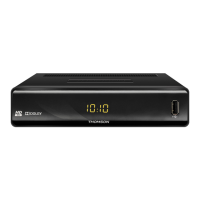
THOMSON THC300 - User Manual

THOMSON THC300
32 pages
Print Icon
To Next Page IconTo Next Page
Loading...
Evolution. Emotion. Passion.
www.thomsonstb.net
THC300
Digital
Cable HD
Receiver
User Manual
Bedienungsanleitung
Návod k obsluze
Používateľská príručka
Ръководство за
потребителя
Question and Answer IconNeed help?

Do you have a question about the THOMSON THC300 and is the answer not in the manual?

Summary

1.0 Introduction

1.1 Safety Instructions

Instructions to ensure safe installation and operation of the receiver, including ventilation and electrical precautions.

1.2 Storage

Guidance on proper storage of the receiver and accessories, including packaging for transport.

1.3 Equipment Setup

Instructions for setting up the receiver, including recommended professional installation and basic connection steps.

1.4 Accessories

Lists the included accessories, such as the remote control and batteries, and provides a warning about battery usage.

1.5 USB Device Usage

Recommendations for using USB 2.0 or higher storage devices for optimal performance and compatibility.

2.0 Your Receiver

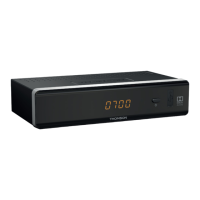
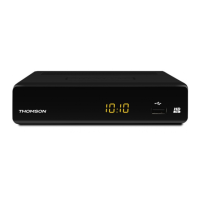
2.2 Front Panel

Describes the components on the front panel, including the IR sensor, display, and mode indicator.

2.3 Rear Panel

Details the connectors on the rear panel, such as CABLE IN, HDMI, TV SCART, and power cord.

2.4 Remote Control

Lists and describes all buttons on the remote control and their functions for operating the receiver.

2.5 Battery Installation

Step-by-step instructions for opening the remote control and inserting AAA batteries correctly.

2.6 Remote Control Operation

Explains how to point the remote control towards the receiver and its operating range and angle.

3.0 Connection

3.1 Cable TV Connection

Instructions for connecting the receiver to the wall connector using a coaxial cable.

3.2 HDMI TV Connection

Details on connecting the receiver to the TV using an HDMI cable for the highest quality.

3.3 SCART TV Connection

Explains how to connect the receiver to the TV using a SCART cable.

3.4 S;PDIF Audio Connection

Guide to connecting the receiver to a digital audio amplifier or home theatre system via S/PDIF.

3.5 HDMI Audio;TV Connection

Instructions for connecting to digital amplifiers and TV using HDMI for optimal audio and video quality.

3.6 USB Storage Connection

Details on connecting a USB storage device for playback of multimedia files and recording.

4.0 First Time Setup

4.1 DVB-C Installation

Instructions for DVB-C installation, including selecting installation and entering the installation menu.

4.1.1 Channel Scan

Guide to performing a channel scan, including setting scan mode, channel number, and initiating the search.

4.1.2 Auto Scan

Instructions for performing an automatic channel scan, including country and network selection.

4.1.3 LCN

Explanation of Logical Channel Numbering (LCN) and how to activate or deactivate it for channel ordering.

5.0 Receiver Quick Guide

6.0 Operation

6.1 Changing Channels

Describes various methods for changing channels: direct access, channel list, and navigation buttons.

6.1.1 Direct Channel Access

How to directly tune to a specific channel by entering its number using the remote control's number buttons.

6.1.2 Channel List Navigation

Instructions on how to display, select, and navigate through the channel list using remote control buttons.

6.1.3 Navigation Buttons

Explains the function of the up/down arrow buttons for channel selection and navigation.

6.2 Info Banner

How to access current channel, event, and technical information using the INFO button.

6.3 Audio Language Selection

Guide to selecting different audio formats and languages available for channels.

6.4 Teletext

How to access and navigate Teletext services using the TTX button and remote controls.

6.5 Subtitle Selection

Instructions for selecting available subtitle languages for enhanced viewing.

6.6 Timeshift

Explains how to pause live broadcasts and resume playback later using the Timeshift function.

6.7 EPG

How to use the Electronic Programme Guide to view schedules, get event details, and set recordings.

6.8 Instant Recording

Guide to recording the current program instantly, setting duration, and managing recordings.

7.0 Main Menu

7.1 Edit Channel

Allows management of channels, including sorting, renaming, and locking/unlocking.

7.1.1 TV Channel List

How to view, add channels to favourite lists, and lock/unlock channels within the TV channel list.

7.1.1.1 Favourite Channel Management

Steps to add channels to favourite groups and manage them within the channel list.

7.1.1.2 Channel Locking

Instructions on how to lock or unlock channels using a PIN code for restricted access.

7.1.1.3 Skipping Channels

How to mark channels to be skipped when zapping, making channel surfing more efficient.

7.1.1.4 Moving Channels

Guide to reordering channels within the channel list for personalized channel surfing.

7.1.1.5 Channel Editing Options

Covers sorting, renaming, and deleting channels, including details on sort methods and renaming.

7.1.2 Radio Channel List

Details on managing radio channels, similar to TV channels but without video information.

7.1.3 Delete All Channels

How to delete all stored channels and favourite lists, with a warning about permanent data loss.

7.1.4 Rename Favourite Lists

Instructions for personalizing the names of up to 8 favourite channel lists.

7.2 Installation

Menu for performing channel scans, including by channel, by frequency, and auto scan options.

7.2.1 Channel Scan

Detailed guide on channel scanning methods, including by channel, by frequency, and network search.

7.2.2 Auto Scan

How to perform an automatic scan to find channels, including options for FTA only and network search.

7.2.3 LCN

Explanation of LCN function for operator-defined channel numbering and its activation/deactivation.

7.3 System Setup

Menu for configuring various system settings like language, TV system, time, parental lock, and OSD.

7.3.1 Language Settings

Allows setting preferences for On Screen Display, audio, and subtitle languages.

7.3.2 TV System Setup

Configure video resolution, aspect mode, connection type, and digital audio output for TV compatibility.

7.3.3 Local Time Settings

Set region, time zone, GMT offset, daylight saving, date, and time display preferences.

7.3.4 Timer Settings

Configure up to 8 timed events for recording or waking up the receiver, with various modes like Once, Daily, Weekly.

7.3.5 Parental Lock

Protect installation menu and channels with a PIN code, set parental rating, and change PIN.

7.3.6 OSD Settings

Adjust OSD Timeout and Transparency, and load default OSD settings.

7.3.7 Auto Standby

Configure the automatic standby function to reduce power consumption after a period of inactivity.

7.4 Tools

Access submenus for receiver information, factory reset, and software upgrades.

7.4.1 Information

Displays receiver hardware and software versions, and the official web address for support.

7.4.2 Factory Reset

Resets the receiver to factory default settings, clearing all stored channels and configurations.

7.4.3 Software Upgrade OTA

Information on Over-The-Air (OTA) software upgrades, with advice to check regional availability.

7.4.4 Software Upgrade USB

How to upgrade receiver software using a USB port, downloading files from the official website.

7.5 Media

7.5.1 Media Player

Plays various file types (Video, Music, Image) from connected USB storage devices.

7.5.2 HDD Information

Displays details about connected USB devices, including free space, recording size, and file system.

7.5.3 DVR Settings

Configure settings for Timeshift, recording, and playback, including Auto/Pause/Off modes.

7.5.4 Safe USB Removal

Instructions on safely removing USB storage devices from the receiver to prevent data loss.

8.0 Troubleshooting

9.0 Technical Specifications

Summary

1.0 Introduction

1.1 Safety Instructions

Instructions to ensure safe installation and operation of the receiver, including ventilation and electrical precautions.

1.2 Storage

Guidance on proper storage of the receiver and accessories, including packaging for transport.

1.3 Equipment Setup

Instructions for setting up the receiver, including recommended professional installation and basic connection steps.

1.4 Accessories

Lists the included accessories, such as the remote control and batteries, and provides a warning about battery usage.

1.5 USB Device Usage

Recommendations for using USB 2.0 or higher storage devices for optimal performance and compatibility.

2.0 Your Receiver

2.2 Front Panel

Describes the components on the front panel, including the IR sensor, display, and mode indicator.

2.3 Rear Panel

Details the connectors on the rear panel, such as CABLE IN, HDMI, TV SCART, and power cord.

2.4 Remote Control

Lists and describes all buttons on the remote control and their functions for operating the receiver.

2.5 Battery Installation

Step-by-step instructions for opening the remote control and inserting AAA batteries correctly.

2.6 Remote Control Operation

Explains how to point the remote control towards the receiver and its operating range and angle.

3.0 Connection

3.1 Cable TV Connection

Instructions for connecting the receiver to the wall connector using a coaxial cable.

3.2 HDMI TV Connection

Details on connecting the receiver to the TV using an HDMI cable for the highest quality.

3.3 SCART TV Connection

Explains how to connect the receiver to the TV using a SCART cable.

3.4 S;PDIF Audio Connection

Guide to connecting the receiver to a digital audio amplifier or home theatre system via S/PDIF.

3.5 HDMI Audio;TV Connection

Instructions for connecting to digital amplifiers and TV using HDMI for optimal audio and video quality.

3.6 USB Storage Connection

Details on connecting a USB storage device for playback of multimedia files and recording.

4.0 First Time Setup

4.1 DVB-C Installation

Instructions for DVB-C installation, including selecting installation and entering the installation menu.

4.1.1 Channel Scan

Guide to performing a channel scan, including setting scan mode, channel number, and initiating the search.

4.1.2 Auto Scan

Instructions for performing an automatic channel scan, including country and network selection.

4.1.3 LCN

Explanation of Logical Channel Numbering (LCN) and how to activate or deactivate it for channel ordering.

5.0 Receiver Quick Guide

6.0 Operation

6.1 Changing Channels

Describes various methods for changing channels: direct access, channel list, and navigation buttons.

6.1.1 Direct Channel Access

How to directly tune to a specific channel by entering its number using the remote control's number buttons.

6.1.2 Channel List Navigation

Instructions on how to display, select, and navigate through the channel list using remote control buttons.

6.1.3 Navigation Buttons

Explains the function of the up/down arrow buttons for channel selection and navigation.

6.2 Info Banner

How to access current channel, event, and technical information using the INFO button.

6.3 Audio Language Selection

Guide to selecting different audio formats and languages available for channels.

6.4 Teletext

How to access and navigate Teletext services using the TTX button and remote controls.

6.5 Subtitle Selection

Instructions for selecting available subtitle languages for enhanced viewing.

6.6 Timeshift

Explains how to pause live broadcasts and resume playback later using the Timeshift function.

6.7 EPG

How to use the Electronic Programme Guide to view schedules, get event details, and set recordings.

6.8 Instant Recording

Guide to recording the current program instantly, setting duration, and managing recordings.

7.0 Main Menu

7.1 Edit Channel

Allows management of channels, including sorting, renaming, and locking/unlocking.

7.1.1 TV Channel List

How to view, add channels to favourite lists, and lock/unlock channels within the TV channel list.

7.1.1.1 Favourite Channel Management

Steps to add channels to favourite groups and manage them within the channel list.

7.1.1.2 Channel Locking

Instructions on how to lock or unlock channels using a PIN code for restricted access.

7.1.1.3 Skipping Channels

How to mark channels to be skipped when zapping, making channel surfing more efficient.

7.1.1.4 Moving Channels

Guide to reordering channels within the channel list for personalized channel surfing.

7.1.1.5 Channel Editing Options

Covers sorting, renaming, and deleting channels, including details on sort methods and renaming.

7.1.2 Radio Channel List

Details on managing radio channels, similar to TV channels but without video information.

7.1.3 Delete All Channels

How to delete all stored channels and favourite lists, with a warning about permanent data loss.

7.1.4 Rename Favourite Lists

Instructions for personalizing the names of up to 8 favourite channel lists.

7.2 Installation

Menu for performing channel scans, including by channel, by frequency, and auto scan options.

7.2.1 Channel Scan

Detailed guide on channel scanning methods, including by channel, by frequency, and network search.

7.2.2 Auto Scan

How to perform an automatic scan to find channels, including options for FTA only and network search.

7.2.3 LCN

Explanation of LCN function for operator-defined channel numbering and its activation/deactivation.

7.3 System Setup

Menu for configuring various system settings like language, TV system, time, parental lock, and OSD.

7.3.1 Language Settings

Allows setting preferences for On Screen Display, audio, and subtitle languages.

7.3.2 TV System Setup

Configure video resolution, aspect mode, connection type, and digital audio output for TV compatibility.

7.3.3 Local Time Settings

Set region, time zone, GMT offset, daylight saving, date, and time display preferences.

7.3.4 Timer Settings

Configure up to 8 timed events for recording or waking up the receiver, with various modes like Once, Daily, Weekly.

7.3.5 Parental Lock

Protect installation menu and channels with a PIN code, set parental rating, and change PIN.

7.3.6 OSD Settings

Adjust OSD Timeout and Transparency, and load default OSD settings.

7.3.7 Auto Standby

Configure the automatic standby function to reduce power consumption after a period of inactivity.

7.4 Tools

Access submenus for receiver information, factory reset, and software upgrades.

7.4.1 Information

Displays receiver hardware and software versions, and the official web address for support.

7.4.2 Factory Reset

Resets the receiver to factory default settings, clearing all stored channels and configurations.

7.4.3 Software Upgrade OTA

Information on Over-The-Air (OTA) software upgrades, with advice to check regional availability.

7.4.4 Software Upgrade USB

How to upgrade receiver software using a USB port, downloading files from the official website.

7.5 Media

7.5.1 Media Player

Plays various file types (Video, Music, Image) from connected USB storage devices.

7.5.2 HDD Information

Displays details about connected USB devices, including free space, recording size, and file system.

7.5.3 DVR Settings

Configure settings for Timeshift, recording, and playback, including Auto/Pause/Off modes.

7.5.4 Safe USB Removal

Instructions on safely removing USB storage devices from the receiver to prevent data loss.

8.0 Troubleshooting

9.0 Technical Specifications

THOMSON THC300 Specifications

General IconGeneral
TypeTV Receiver
ModelTHC300
BrandTHOMSON
HDMI Ports1
USB Ports1
ResolutionFull HD (1080p)
USB FunctionMedia playback
ConnectorsHDMI, USB

Related product manuals