OPERATING MANUAL NBS COMMISSIONING / MAINTENANCE
ThyssenKrupp Aufzugswerke GmbH
6.3 Emergency rescue for drives with NBS
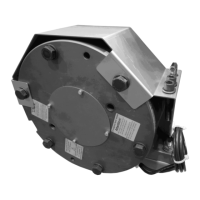
Mounting the additional emergency brake against upward overspeed
changes the sequence and procedure for emergency rescue.
A description of the emergency brake can be found in chapter 2.1
NB: Only the work described in sections a) and b) may be
performed by instructed personnel.
a) Switch on the main switch
Set the electrical recall switch to "Recall"
Set the switch on the NBS control unit to "normal mode"
Move the elevator car with the recall switches into the next landing
b) Switch on the main switch
Set electrical recall switch to "Recall"
Set switch on the NBS control unit to "Open" to release the
NBS emergency brake electrically
(The indicator lamp lights up when the NBS emergency brake is released)
Move the elevator car to the next landing by gradually releasing service
brake at the drive
If the elevator car does not move after operation of the brake release lever,
the start-up movement is to be supported by turning the handwinding wheel
If rescue is not possible with the sequences described at a) and b),
competent maintenance personnel or personnel of the maintenance firm
must be called.
NB: The work described below may only be performed by qualified
personnel.
c) Switch off main switch
Determine cause of the malfunction
Rectify fault
Perform the sequence described at a) or b) once again
If the cause of the malfunction cannot be rectified, check the function of the
gear and service brake.
If there are no discernible defects on the gear and brake, release the NBS
emergency brake manually. This is done by screwing the brake release
screws into the brake housing of the NBS. See chapter 2.3
Disabling the main switch
Screw in the brake release screws firmly into the brake housing as far as
they will go


 To Next Page