22
HDWA-SVX002C-EN
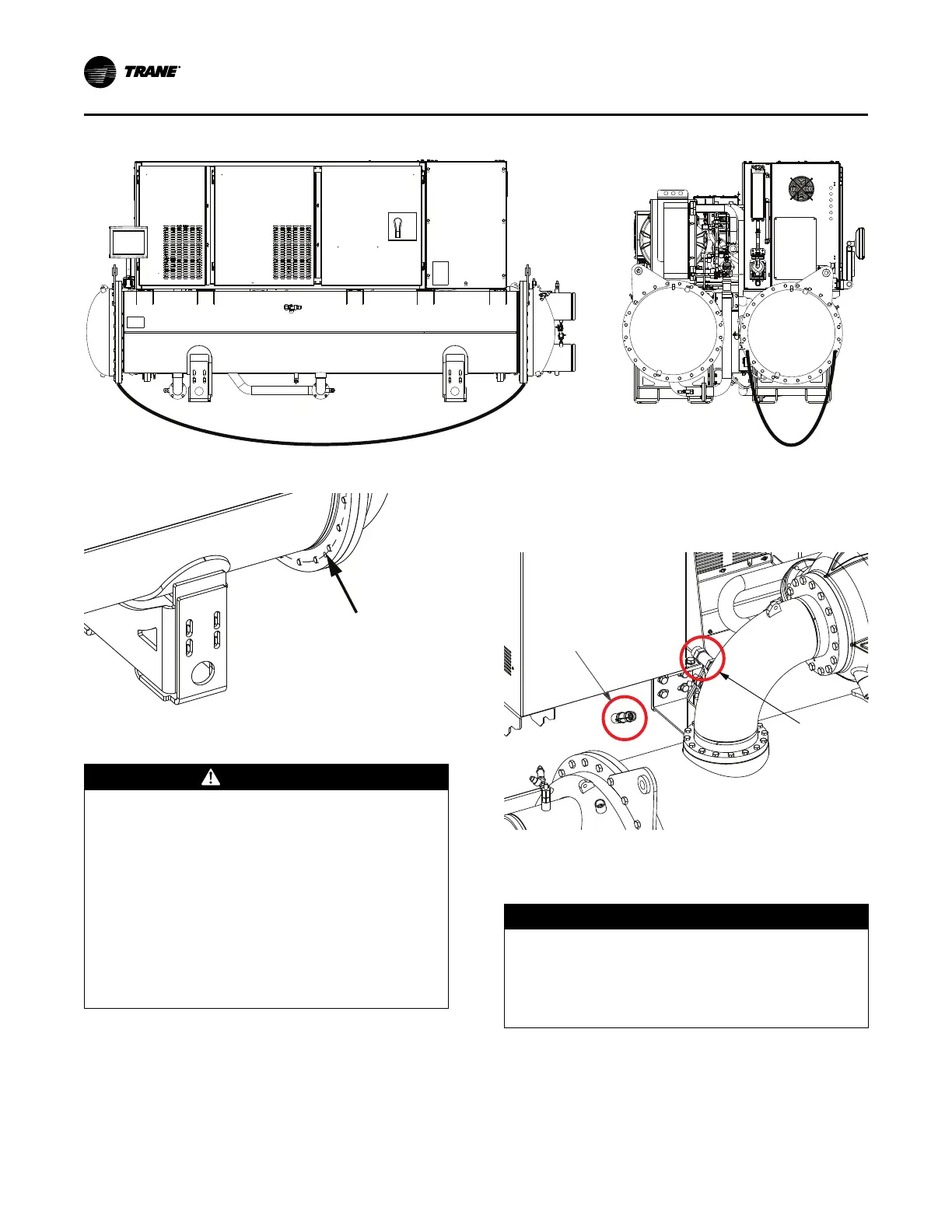
Figure 12. Leveling the chiller (front and left views)
Figure 13. Leveling the chiller (tooling hole)
Refrigerant Pressure Relief Valve Venting
WARNING
Confined Space Hazards!
Failure to follow instructions below could result in
death or serious injury.
Do not work in confined spaces where refrigerant or
other hazardous, toxic, or flammable gas may be
leaking. Refrigerant or other gases could displace
available oxygen to breathe, causing possible
asphyxiation or other serious health risks. Some
gases may be flammable and/or explosive. If a leak in
such spaces is detected, evacuate the area
immediately and contact the proper rescue or
response authority.
Note: Vent pipe size must conform to the ANSI/ASHRAE
Standard 15 for vent pipe sizing. All federal, state,
and local codes take precedence over any
suggestions stated in this manual.
All relief valve venting is the responsibility of the installing
contractor.
All HDWA chillers use evaporator and condenser pressure
relief valves (refer to the following figure) that must be
vented to the outside of the building.
Figure 14. Location of relief valves
Condenser
Pressure
Relief Valve
Evaporator
Pressure
Relief Valve
Condenser
E
vaporator
Relief valve connection sizes and locations are shown in
unit submittals. Refer to local codes for relief valve vent line
sizing information.
NOTICE
Equipment Damage!
Failure to comply with specifications may result in
capacity reduction, unit damage and/or relief valve
damage.
Do NOT exceed vent piping code specifications!
Relief valve discharge setpoints and capacities rates are
provided in the following table. After the relief valve has
opened, it will re-close when pressure is reduced to a safe
level.
Note: After they are opened, relief valves may have
tendency to leak and must be replaced.
Installation: Mechanical



 To Next Page