59
Strategies to Manage Side Eects
Evaluate tolerability after each adjustment
Side effects typically decrease over time
3,4
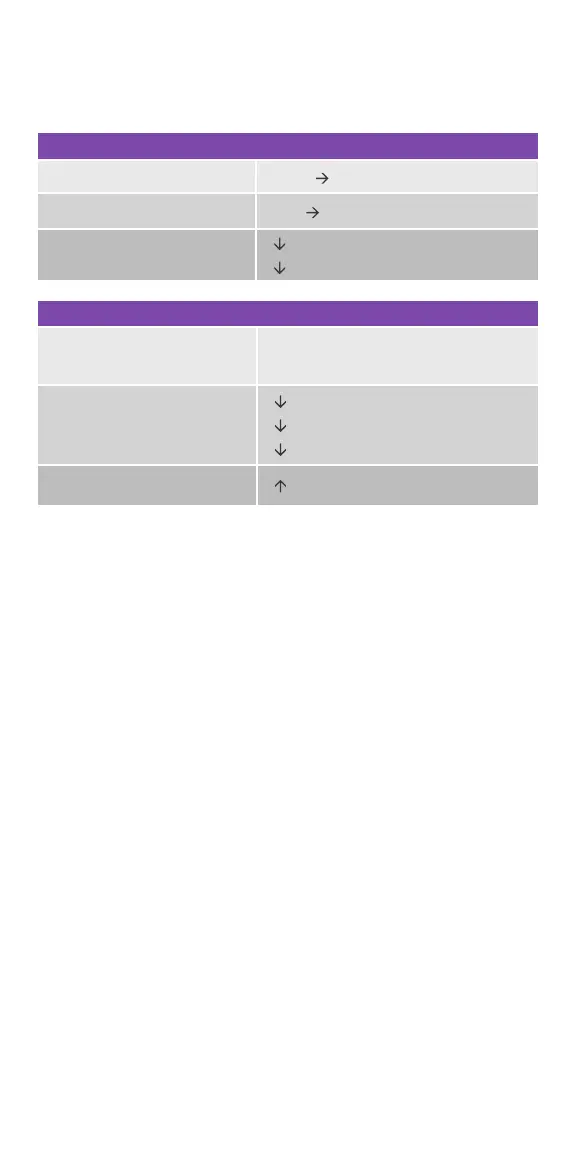
FOR AUTOSTIM-RELATED SIDE EFFECTS*
1. Verify Heartbeat Detection
Adjust Heartbeat Detection
sensitivity, if necessary
2. AutoStim Parameters
Pulse Width
Output Current (0.125 mA)
ON Time
3. Threshold for AutoStim 10%
RECOMMENDED ORDER
1. Pulse Width If 500 250 µsec
‡
2. Signal Frequency If 30 25 or 20 Hz
§
3. Output Current
0.125 mA
0.25 mA
Additional Information
Please see important safety information or visit www.VNSTherapy.com.
The VNS Therapy System is indicated for use as an adjunctive therapy in
reducing the frequency of seizures in patients 4 years of age and older with
partial onset seizures that are refractory to antiepileptic medications.
Incidence of adverse events following stimulation (>5%) were voice alteration,
increased coughing, pharyngitis, paresthesia, dyspnea, dyspepsia, and nausea.
This information is not intended to serve as a substitute for a complete and
thorough understanding of the material presented in the Physician’s Manuals
for the VNS Therapy system and its component parts and does not represent
full disclosure of all pertinent information concerning the use of this product,
potential safety complications, or ecacy outcomes.
REFERENCES: 1. Helmers SL, et al. Application of a computational model of vagus nerve stimula-
tion. Acta Neurol Scand. 2012 Nov;126(5):336-43. 2. Heck C, Helmers SL, DeGiorgio CM. Vagus nerve
stimulation therapy, epilepsy, and device parameters: scientific basis and recommendations for use.
Neurology. 2002 Sep 24;59(6 Suppl 4):S31-7. 3. Morris GL Ill, Mueller WM. The Vagus Nerve Stimulation
Study Group E01-E05. Long-term treatment with vagus nerve stimulation in patients with refractory
epilepsy. Neurology. 1999;53(7):1731-1735. 4. Ben-Menachem E. Vagus nerve stimulation, side eects,
and long-term safety. J Clin Neurophysiol. 2001;18(5):415-418.


 To Next Page