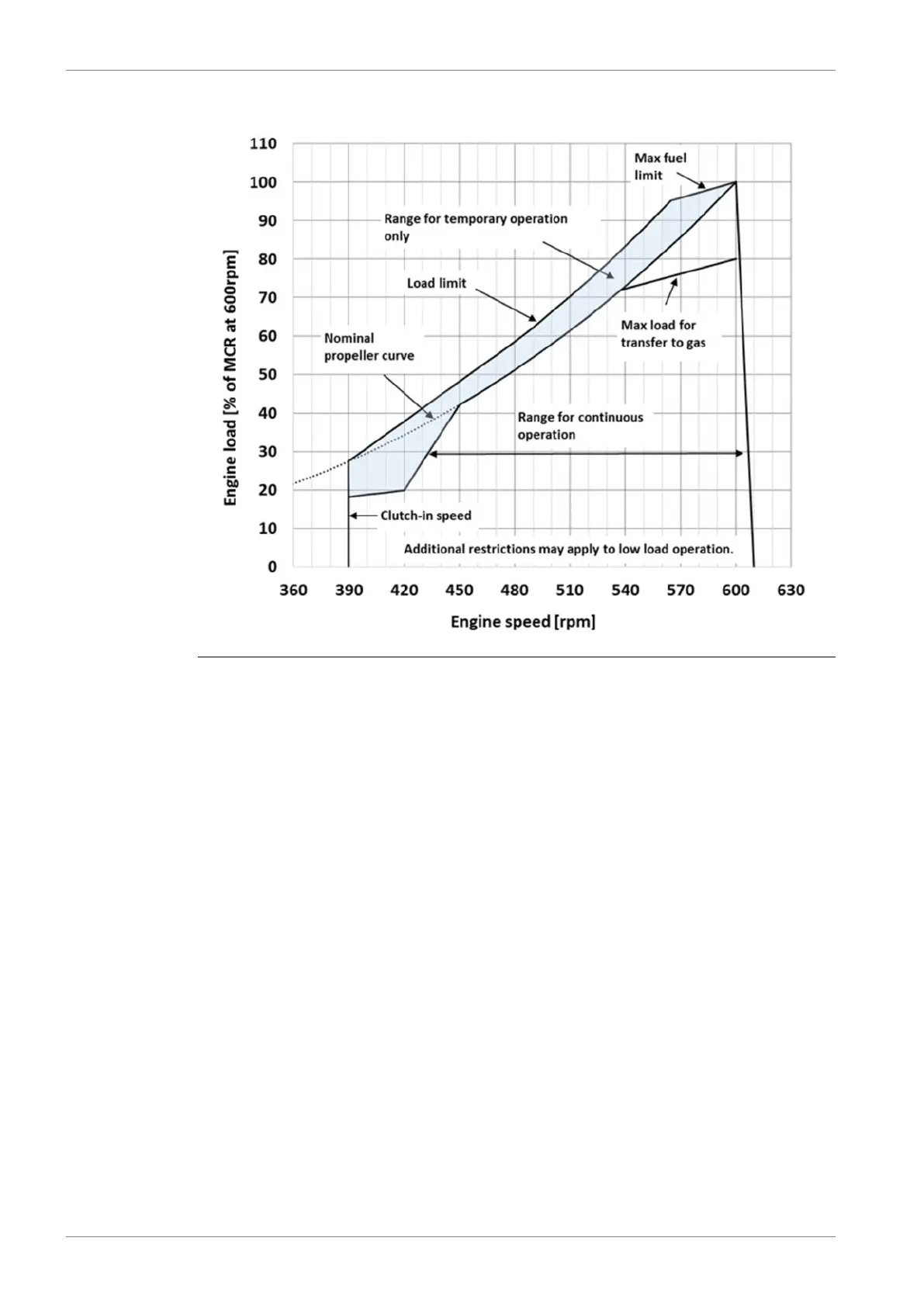
Fig 2-1 Operating field for CP Propeller, 1145 kW/cyl, 600 rpm
Remarks: The maximum output may have to be reduced depending on gas properties and
gas pressure. The permissible output will in such case be reduced with same percentage at
all revolution speeds.
Restrictions for low load operation to be observed.
2.2 Loading capacity
Controlled load increase is essential for highly supercharged engines, because the turbocharger
needs time to accelerate before it can deliver the required amount of air. Sufficient time to
achieve even temperature distribution in engine components must also be ensured. Dual fuel
engines operating in gas mode require precise control of the air/fuel ratio, which makes
controlled load increase absolutely decisive for proper operation on gas fuel.
The loading ramp “preheated” (see figures) can be used as the default loading rate for both
diesel and gas mode. If the control system has only one load increase ramp, then the ramp
for a preheated engine must be used. The HT-water temperature in a preheated engine must
be at least 70ºC, and the lubricating oil temperature at least 40ºC.
The loading ramp “Normal operating temperature” can be taken into use when the engine has
been operating above 30% load for 6 minutes (or the cooling water temperature after cylinders
is min. 85ºC). All engines respond equally to a change in propulsion power (or total load), also
when a recently connected engine is still uploading to even load sharing with parallel engines.
A recently connected generator shall therefore not be taken into account as “available power”
until after 6 minutes, or alternatively the available power from this generator is ramped up to
100% during 10 minutes. If the control system has only one load increase ramp, then the ramp
for a preheated engine is to be used.
2-2 DBAD209883
Wärtsilä 46DF Product Guide2. Operating Ranges



 To Next Page