21
SECTION 5
DRIVING PROCEDURES IN UNUSUAL CONDITIONS
of each axle (Figure 5-3) to ensure they are water tight. If
there are signs of water leaking into the lower body, take
corrective action before entering water again. Make sure
thereissucientgreaseinthebearingangeandthatthe
grease seal is in good condition.
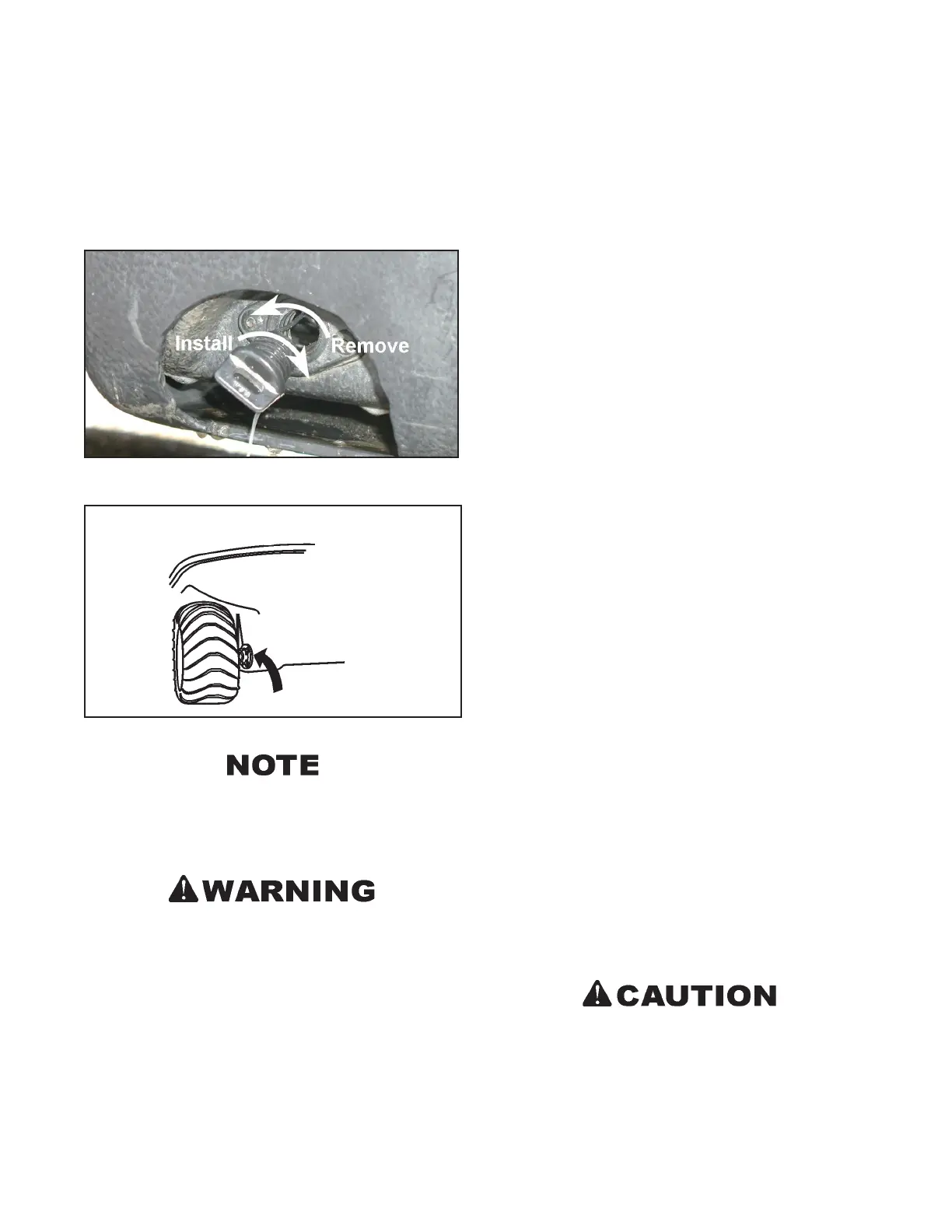
Figure 5-2. Removing and Installing the drain plug.
Figure 5-3. Outer bearing ange sealing area.
Always observe the recognized rules of boating while
travelling in water.
5.6.1 Entering the Water
Load capacity on water is reduced by 100lbs. if your 8x8
Argo is equipped with smaller 24x10.00-8 tires when the
standard spec would include 25x12.00-9 (see Section
1.4). The reduced buoyancy could cause the Argo to
become swamped and sink, causing injury or drowning
to the driver and passengers.
The point of entry should be free of rocks, stumps and other
obstacles.Enterthewaterfromarm,gradualslopewhenever
possible. With the wheels partially submerged but still in
contact with the bottom, stop and check thoroughly for water
entering the lower body.
If a leak is detected, drive back onto shore. Drain the vehicle
and repair the leak before re-entering the water.
If the body of water must be entered from a steep slope or
uneven terrain, it may be better to back the vehicle into the
water. With the engine and transmission weight concentrated
inthefrontofthevehicle,therearislighterandoatshigher
if the rear compartment is not heavily loaded. In some cases,
if there is a passenger or two and/or additional cargo in the
rear,backingintothewatercouldcausewatertooodover
the transom area and into the rear compartment. Always seek
out a safer route for entry into the water if the terrain appears
too dangerous.
Be careful not to submerge the bumper as you enter the water.
With the bumper submerged, water can enter through the
openings in the upper body.
5.6.2 Driving Procedures in Water
Afterthevehicleisoatingevenlyonthewater,applythe
ngerthrottle toincrease speed.(Note: If the vehicle is
equipped with a ROPS, unlatch all seatbelts.) Use only part
throttle when traveling through water. Full throttle only results
in excessive turbulence, not higher speeds.
The vehicle is steered by a combination of pulling on the right
bar and pushing on the left to steer right or vise-versa to travel
left. The turning radius is somewhat greater in water, and the
vehicle does not respond to changes in direction as quickly
asitdoesonland.Turninginwatermaybemoreeective
in Low gear.
The vehicle is propelled forward through the water by the web
of the tires as they rotate. To back up in water, release the throt-
tle, shift the transmission into neutral, and use a paddle.
Avoid rocks, stumps or other obstacles that are below the
surface of the water. Striking these obstacles may damage
the bottom or upset the vehicle.
Ifyourvehiclebeginstollwithwater,immediatelyheadto
the nearest shore. Get the vehicle out of the water and drain
it by removing both rear drain plugs. Correct the leak before
entering the water again.
Do not leave the vehicle in water for extended periods of
time. Water could enter the axle seals and cause damage
to the axle bearings.





 To Next Page