OM226142 rev C
13
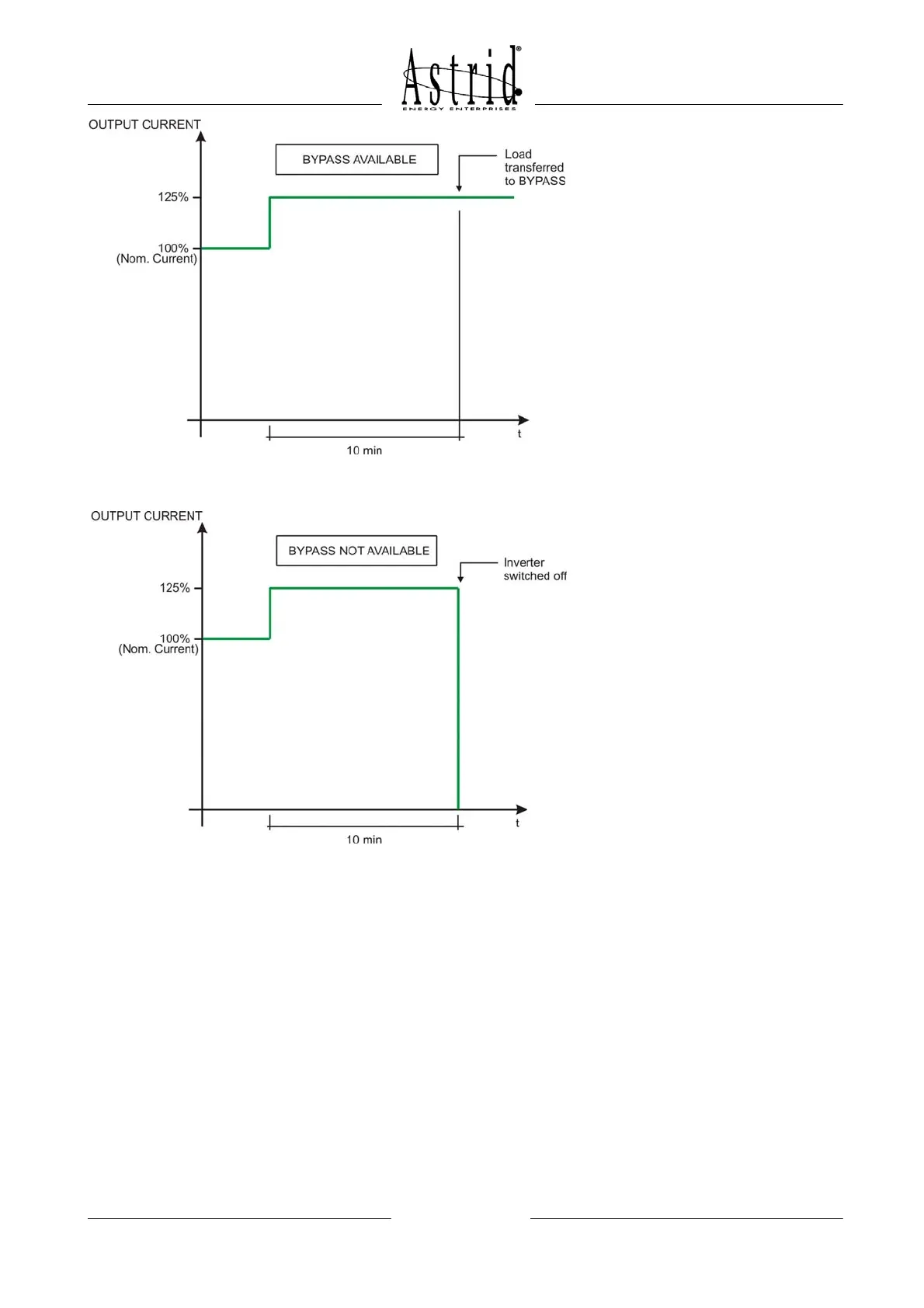
Picture 8 – Overload with bypass available
1) BYPASS AVAILABLE
As soon as an overload is
detected the algorithm starts to
calculate the increment of the
energy.
When the limit is reached the
load is transferred to bypass.
To allow a safe cooling of the
inverter power components
(IGBT’s, transformer) the
inverter is switched off for 30
minutes.
When this time has elapsed the
inverter is switched on again
and the load transferred back
to the primary supply.
Picture 9 – Overload with bypass not available
2) BYPASS NOT AVAILABLE
As soon as an overload is
detected the algorithm starts to
calculate the increment of the
energy.
When the limit is reached the
inverter is switched off to avoid
severe damages to the power
components.
As soon as the bypass is
available again the load is
supplied by the bypass static
switch.
After 30 minutes the inverter
is switched on again and the
load re-supplied.
WARNING: this operation
causes the loss of the
supply to the load
2.2.3 Short circuit operation
As soon as an output short circuit is detected (alarm A25) the load is transferred
immediately to the emergency line that provides to eliminate the fault thanks to its higher
short circuit current.
In case the bypass is not available the inverter reduces its output voltage and limits its
output current to 200% for 100ms, and then to 125% for 5 seconds, after that it’s switched
off (according to EN 62040-3 / EN 50091-3).


 To Next Page