17.2.1.5
Maintenance Instructions
Instructions on ECU controller
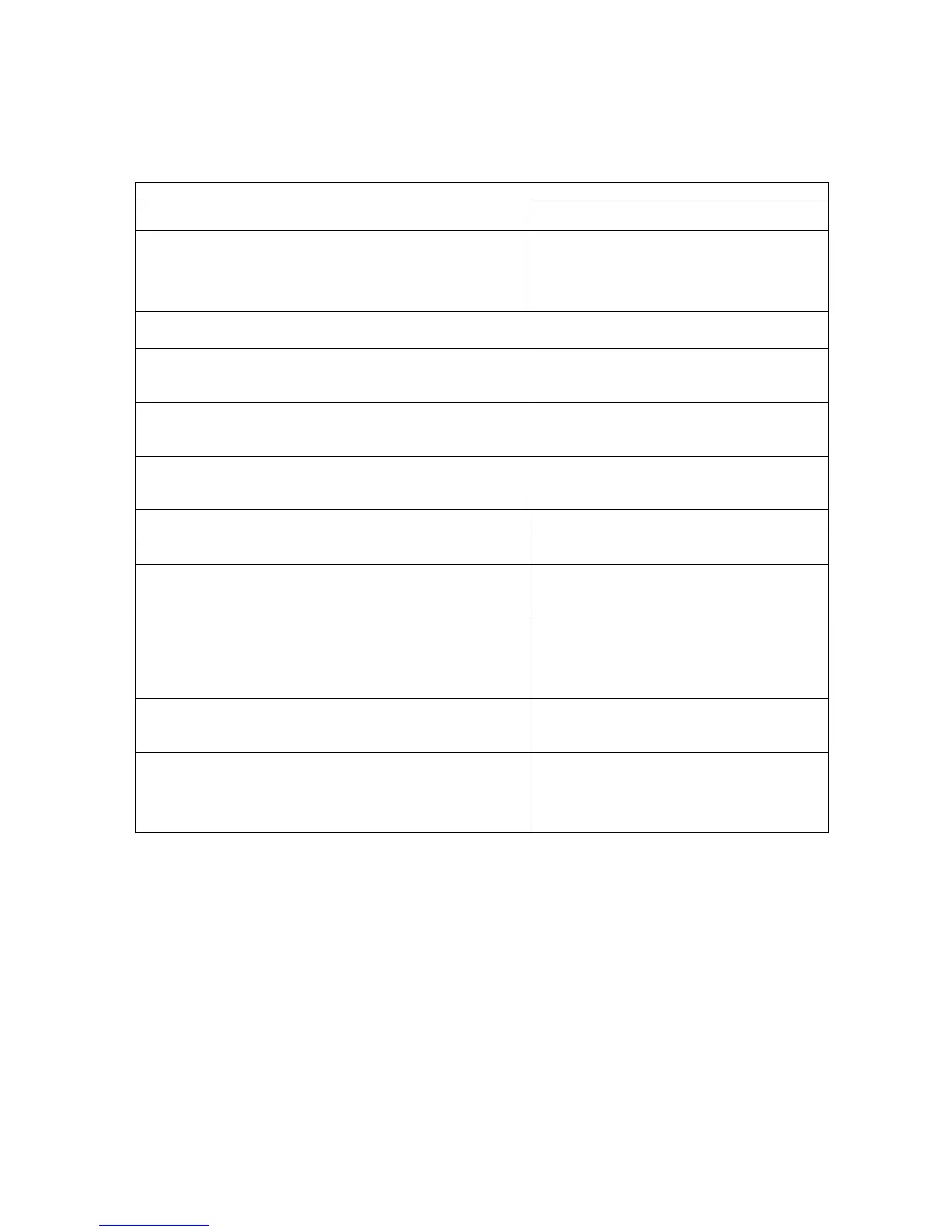
DON’T: Place ECU beside the engine or the exhaust
pipe during transfer.
The service life of ECU is affected by
high temperature which also easily
damages the plastic shell of the ECU.
DON’T: Place ECU in water, oil or liquid environment.
ECU is sensitive to liquid.
DON’T: ECU is covered with mud or water.
Unfavorable for heat dissipation of ECU
surface.
DON’T: Power connection to ECU randomly.
It seriously affects ECU function and
definitely damages ECU.
DON’T: Water or too much vapor on the connector.
Short-circuit of ECU connector or a
damaged ECU.
DON’T: Clean ECU with agent or corrosive liquid.
DO: Clean ECU with a wet cloth and keep it dry.
DO: When the ECU is reinstalled, check whether the
air intake pipe is blocked. If yes, clean it.
Maintain vehicle performance.
DO: When the ECU is reinstalled, fix the air intake
pressure pipe and ensure no leakage. Clamps and air
intake pressure hoses shall match with the vehicle
type.
Maintain vehicle performance.
DO: Keep the air intake hose always connect ECU
and intake manifold.
Prevent dust from entering into the
engine to ensure safety.
DO: When the air intake hose is pulled out from
ECU, loosen the clamp at the joint and then pull the
hose carefully from the ECU.
Prevent joints inside ECU from being
loose and coating from being damaged.
17.2.1.6. Power Supply Requirements
● Power on:
Under normal conditions, the input voltage from battery keeps stable. When the ignition switch
closes and the battery voltage exceeds 6.5V, ECU starts to work normally.
● Operation:
When the EFI system works, the battery voltage shall keep it between 9-16V to ensure normal
operation of the system.
● Power down:
When the ignition switch is turned off, the ignition voltage is below 6.2V, the ECU enters into
power down condition. ECU records values in EEPROM, such as fault codes, frozen fault codes,
closed-loop values, revised air flow values and throttle values. Based on these values, it enables
precision calculation of each parameter for the next startup.


 To Next Page