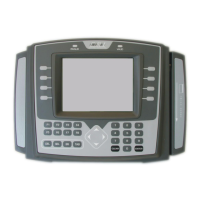
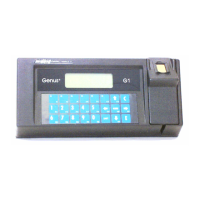
Genus G1 MARK II Users Manual
UM3010-2
Declarations
Control Module, Inc.
Model: Genus 3010-2
Emissions Requirements:
EN 55022:1998 Class A, Conducted Emissions, 150 kHz to 30 MHz
EN 55022:1998 Class A, Radiated Emissions, 30 MHz to 1 GHz
EN 61000-3-2:2000 Harmonic Current Emissions
EN 61000-3-3:1995 Voltage Fluctuations and Flicker
Immunity Requirements:
EN 61000-4-2:1995 Electrostatic Discharge, 8kV Direct Air, 4kV Direct and Indirect Contact
EN 61000-4-3:1996 Radiated RF Immunity, 80MHz-1000MHz, 3V/m, 80% AM 1kHz
EN 61000-4-4:1995 EFT, 1kV Power, 0.5kV I/O
EN 61000-4-6:1996 Surge Immunity, 1kV Differential Mode
EN 61000-4-6:1996 Conducted RF Immunity, 150kHz-80MHz, 3Vrms, 80% AM 1kHz
EN 61000-4-11:1994 Voltage Dips and Interruptions
Applicable EC Directive(s):
EC Low Voltage Directive 73/23/EEC
EC EMC Directive 89/336/EEC
Applicable Harmonized
Standards:
Safety: EN 60950
EMC: EN61000-6-4, EN55011, EN61000-6-2, EN61000-4-2, EN61000-4-4, EN61000-4-5,
EN61000-4-6, EN61000-4-11
FCC Compliance
The Control Module Model 2015 Time and Attendance Terminal conforms to the requirements of FCC PART 15,
SUBPART B, CLASS A.
Para. 15.107(b) for Conducted Emissions, 150 kHz to 30 MHz
Para. 15.109(b) for Radiated Emissions, 30 MHz to 1 GHz
Note: This equipment has been tested and found to comply with the limits for a Class A digital device, pursuant
to part 15 of the FCC Rules. These limits are designed to provide reasonable protection against harmful
interference when the equipment is operated in a commercial environment. This equipment generates, uses,
and can radiate radio frequency energy and, if not installed and used in accordance with the instruction manual,
may cause harmful interference to radio communications. Operation of this equipment in a residential area is
likely to cause harmful interference to radio communications. Operation of this equipment in a residential area is
likely to cause harmful interference in which case the user will be required to correct the interference at his own
expense.
Revision B 10-30-07 3


 To Next Page