26
9 (65)
9 (65)
11 (75)
11 (75)
12 (80)
11 (75)
11 (75)
11 (75)
14 (90)
14 (90)
14 (90)
16 (100)
16 (100)
16 (100)
16 (100)
11 (75)
14 (90)
Selecting the Correct Needle and Thread
There are many kinds of fabrics, threads and needles. It
is important to use the correct ones together.
Always purchase good quality thread. It should be strong,
smooth and even in thickness. Use the same thread for
needle and bobbin. Always test thread and needle size
on a scrap piece of fabric.
In general, fine threads (the larger the number, the finer
the thread) and needles (the smaller the number, the
finer the needle) are used for sewing lightweight fabrics
and heavier threads and larger needles are used for
sewing heavyweight fabrics. There are many specialty
needles available from your sewing machine dealer.
Check your needles frequently for rough or blunt tips.
Snags and runs in knits, fine silks and silk-like fabrics are
permanent and are often caused by damaged needles.
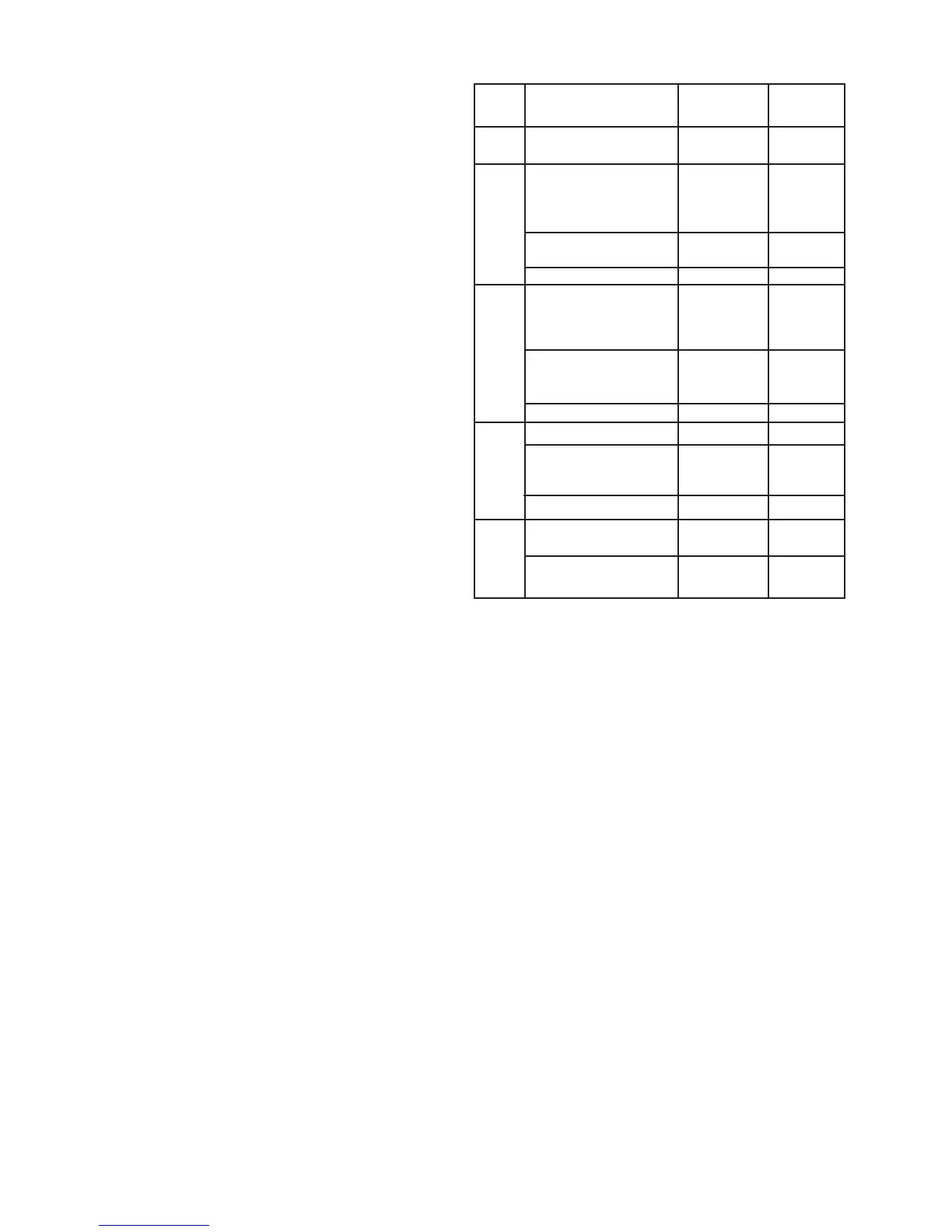
Weight Fabric Needle Type
Needle
Size
Very
Light
Chiffon, Fine Lace,
Organdy
Universal
Ball Point
Light Batiste, Lawn, Crepe de
Chine, Challis
Handkerchief Linen,
Crepe, Taffeta, Satin
Stretch
Universal
Medium
Single Knits, Jersey,
Swimwear, Tricot
Stretch
Ball Point
Leather, Suede Leather
Flannel, Velour, Velvet,
Velveteen, Corduroy,
Linen, Gabardine, Wool,
Terry, Burlap
Universal
Double Knits, Stretch
Velour, Stretch Terry,
Sweater Knits
Ball Point
Leather, Vinyl, Suede
Heavy
Leather
Denim, Sailcloth, Ticking Denim
Coating, Polar Fleece,
Drapery and Upholstery
Fabrics
Universal
Leather, Suede
Leather
Universal
Topstitching
Topstitching for Special
Finish
Very
Heavy
Canvas, Duck,
Upholstery Fabrics


 To Next Page