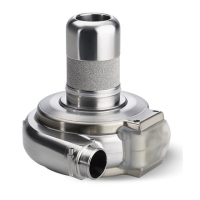
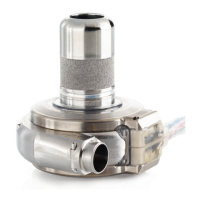
WARNING! Please read this entire manual before using the HeartWare
™
HVAD
™
System outside of the
hospital. It is not safe to use the system away from trained professionals until you understand the
information in this manual.
2
1.0 Introduction
1.1 Why You Should Read this Manual
Symbols found in this manual
1.2 Heart Failure Overview
If you have been diagnosed with heart failure, it does not mean your heart has
stopped working; it means your heart is weak and as a result, cannot supply enough
oxygen and nutrient-rich blood to your body’s cells. Common symptoms of heart
failure include fatigue and shortness of breath. Everyday activities like walking,
climbing stairs, or carrying groceries can become very difcult. Heart failure also
affects the kidneys’ ability to dispose of waste and extra uid. Fluid retained by the
kidneys increases swelling. Heart failure is generally a chronic, progressive condition
in which the heart weakens to the point in which it can no longer pump enough
blood to meet the body’s needs.
This manual is intended for patients and caregivers. It will tell you about your
HeartWare
™
HVAD
™
System and explain how it works. It also provides information
about proper care of the HeartWare
™
HVAD
™
System and what to do in case of an
emergency.
In addition to this manual, your clinician will provide you with instructions on operating
the HeartWare
™
HVAD
™
System and on necessary medical care. Prior to leaving the
hospital you should understand how the HeartWare
™
HVAD
™
System works, how to
care for the equipment and what to do in emergency situations. If you have any
questions after reading this manual, please ask your clinician.
Indicates there is more
information available
in the manual and will
provide details as to
where to nd it.
Identies the information
as a Warning.
A Warning is a statement
about the possibility of
injury, death or other serious
adverse reaction that
is associated with the use
or misuse of the device.
Identies the information
as a Caution.
A Caution is a statement
that not following
the instruction may lead
to device misuse,
malfunction or damage.
Indicates there is
an additional quick
reference guide
available from
your clinician.


 To Next Page