3
HVAD
®
Patient Manual
1.3 Considering VAD Therapy
A Ventricular Assist Device (VAD) is a mechanical pump. When one of the heart’s
natural pumps (a ventricle) does not perform well, a VAD is used to increase the
amount of blood that ows through the body.
Clinicians use VADs such as the HeartWare
™
HVAD
™
System to treat patients with
severe heart failure who have not improved despite using all other treatment
methods available. The HeartWare
™
HVAD
™
System can be used in patients both as
a Bridge to Cardiac Transplantation and Destination Therapy.
1.4 Understanding How the HeartWare
™
HVAD
™
System Works
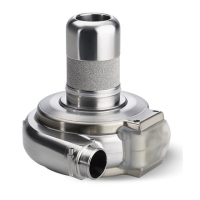
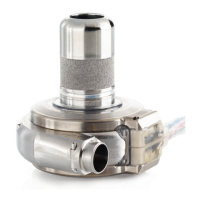
The HVAD
®
Pump is surgically implanted in the chest, in a sac around the heart
known as the pericardial space. It is connected directly to your heart at the bottom
of the left ventricle, where it draws oxygen-rich blood through the pump and pushes
it into your aorta (large blood vessel that carries blood from your heart to the rest of
your body). Your clinician will program the HVAD
®
Pump so it delivers the right
amount of ow for your body’s needs. The driveline is connected to the pump and
exits the body through a small incision in the skin. The driveline connects to the
controller.
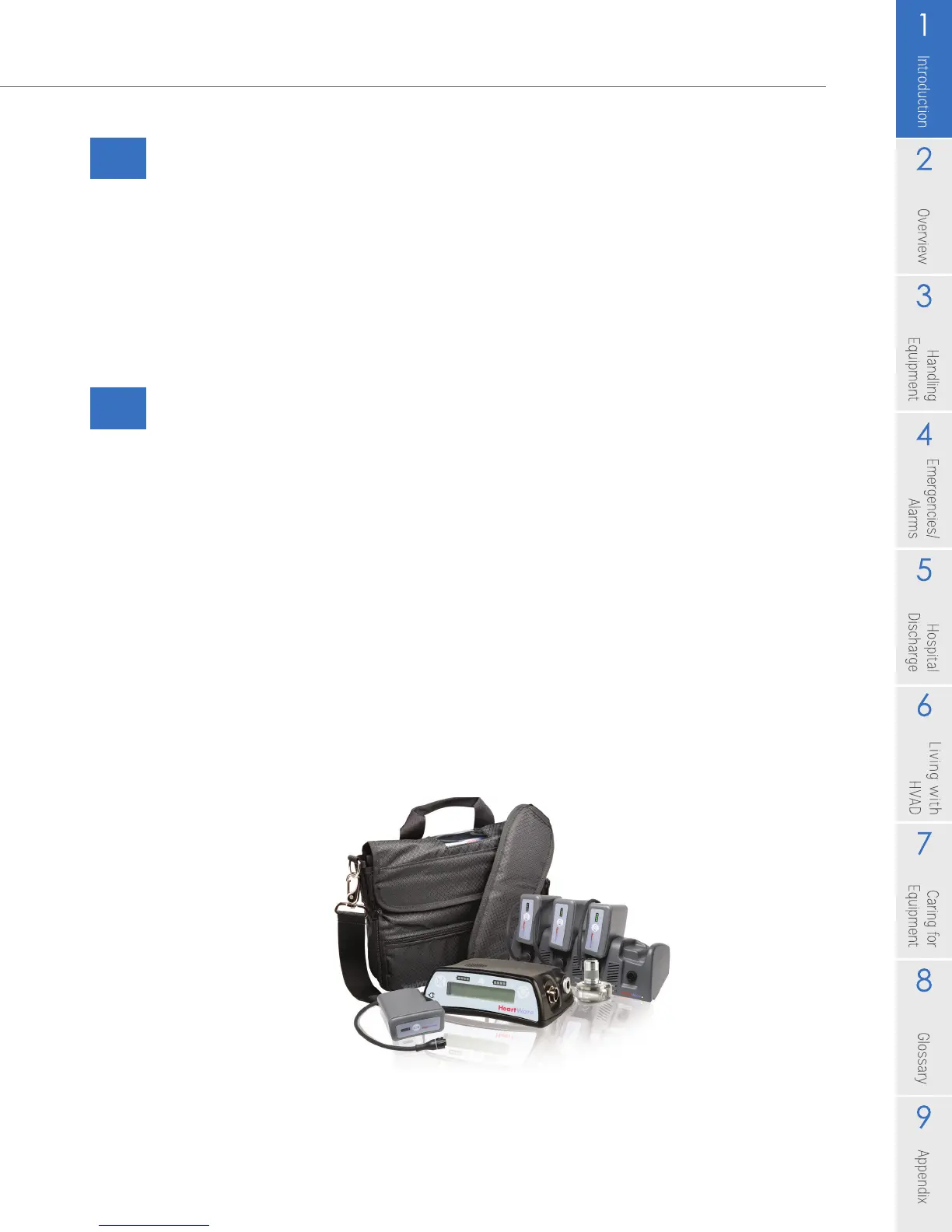
The controller is a mini computer that monitors the HVAD
®
Pump. It provides text
messages and audible alarms to help you manage the system. The controller is
powered by two power sources: two rechargeable batteries, or one battery and
electricity from a wall or car outlet. The controller and batteries can be contained
in a carrying case.
Figure 1: HeartWare
™
HVAD
™
System


 To Next Page