55 / 68
PL
SK
DE
EN
CS
HU
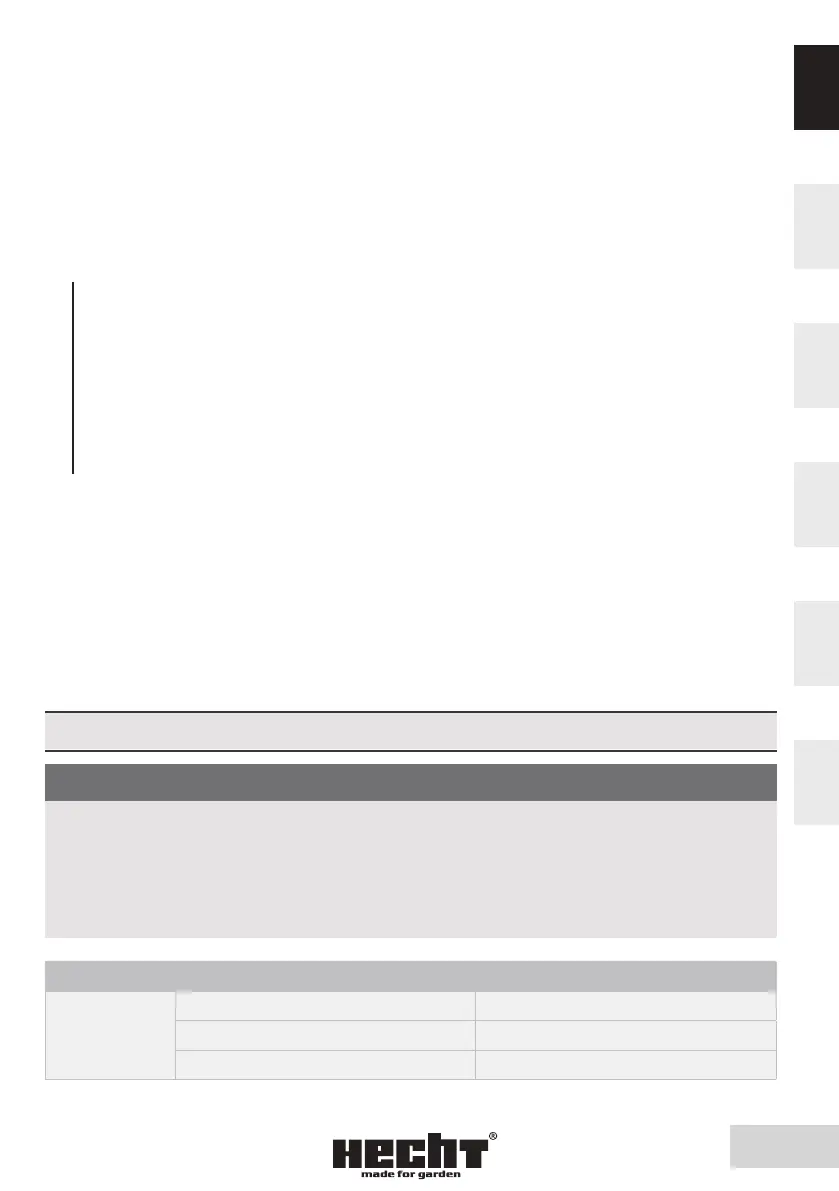
• Before pushing, first switch the hydraulic gear release lever to the “B” position - disconnected
(see Hydraulic gear release lever). Release and set in neutral position.
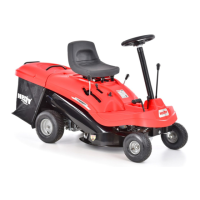
TRANSPORTING ON A VEHICLE
• For a longer distance, transport the machine on vehicle or truck with the corresponding
load capacity.
• When loading, use loading ramps.
• Don‘t lift the machine with ropes.
• The machine is heavy and can cause serious injuries by crushing body parts. Take special care
when loading and unloading from a vehicle or trailer.
C If the machine is transported on a truck or trailer, use suitable equipment for lifting
and enough people for the weight involved and the type of lifting system used.
The machine must never be lifted by rope and tackle. During transport, close the fuel
stopcock, lower the cutting deck, apply the parking brake and fasten the machine
securely with ropes or chains to the hauling device. The parking brake is not
sufficient to secure the machine during transport. The machine on the transport
vehicle must be firmly secured. Use clamping straps and wedges. After pulling
the handbrake, tighten the tensioning belts around the stable parts of the machine,
such as the frame or the rear.
1. Empty the petrol tank with a suction pump. Start the engine and let it run until it has used
up all remaining petrol and stalls.
2. Close the fuel cap firmly.
3. Turn the engine switch and fuel valve (if equipped) to the off or stop position.
4. Let the engine to cool down before transporting.
5. Take care not to drop or strike the machine when transporting.
6. Tie down the machine securely in an upright position while transporting.
7. Take care not to strike the machine when transporting. Do not place objects on the machine.
TROUBLESHOOTING
CAUTION! A
You cannot rectify disorders that require more intervention yourself.
If you‘re unable to rectify the fault using the corrective measures described below,
contact a specialist garage, preferably an authorised service centre.
Improper handling can cause damage or serious injuries.
PROBLEM PROBABLE CAUSE CORRECTIVE ACTION
Hard starting
No fuel Check and top up
Stale fuel or build-ups in tank Empty fuel tank and refill with fresh fuel
Incorrect starting procedure Perform the starting procedure correctly



 To Next Page