KMS MP25(M)/MA25(M) manual Version 4.2
23
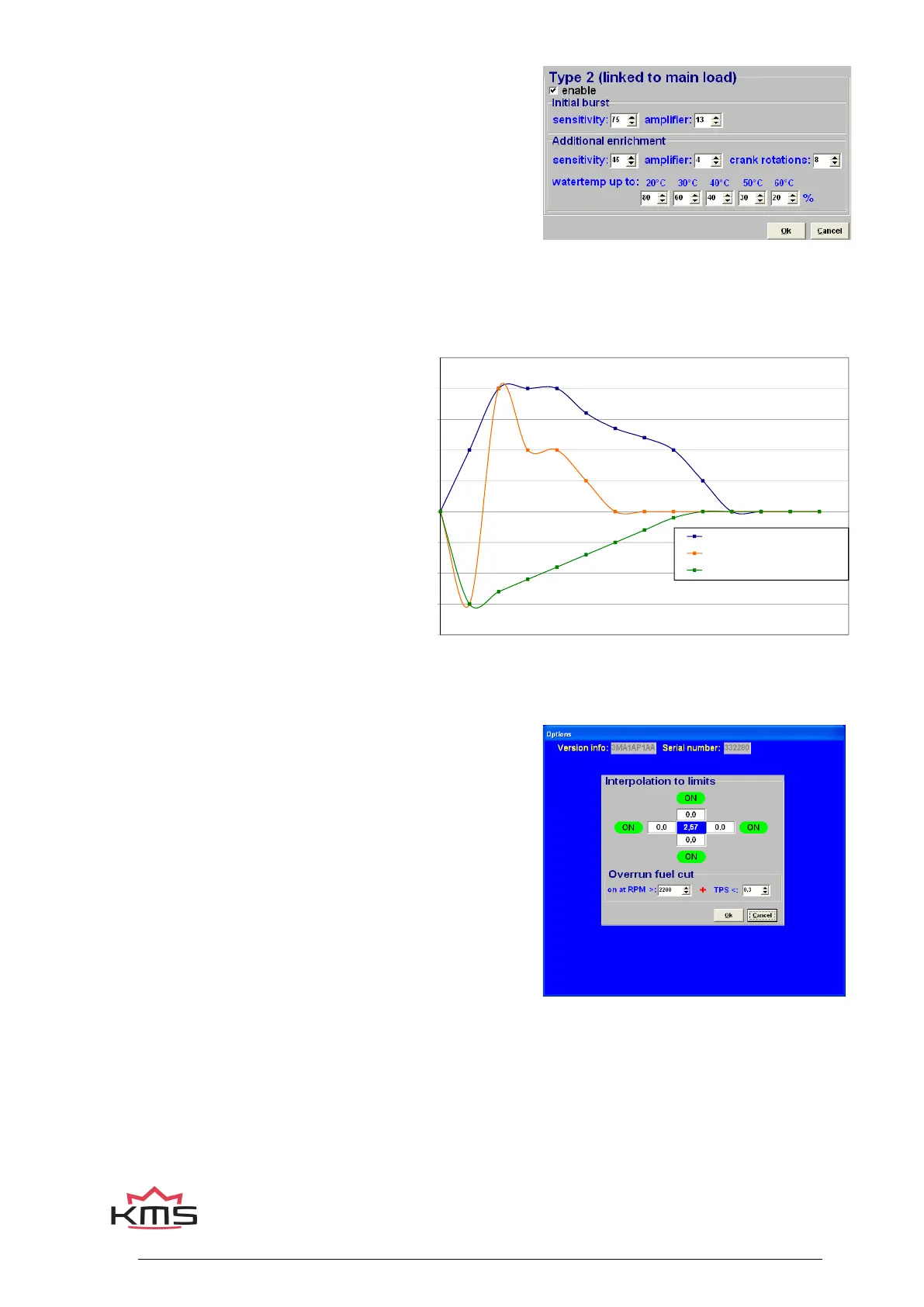
Type 2:
With most engines it is recommended to use only this
acceleration type2. However, type 2 can be combined with
type 1 (useful for some engines).
Acceleration enrichment type 2 is always linked to main
engine load.
The initial burst is one pulse that is directly injected when
needed no matter what crank position and will intervene to
avoid a short lean mixture. The sensitivity is linked to
opening speed of the throttle. A low value for sensitivity
means that the initial burst won’t occur fast, a high
throttle opening speed is needed. For a high sensitivity value, a lower throttle opening speed is
needed for initial burst enrichment to occur. The amplifier is more or less a factor for the amount
of fuel injected. A higher amplifier results in more enrichment.
Additional enrichment follows after the initial burst. After the initial burst, the mixture briefly can
get lean again. More enrichment is
needed. You can choose how many
rotations the additional enrichment is
needed. The amount of extra fuel will
slowly decrease during these rotations.
Sensitivity and the amplifier function
the same as they do with the initial
burst. The additional enrichment can
be increased by a percentage for the
water temperature. More enrichment is
needed with a low water temperature.
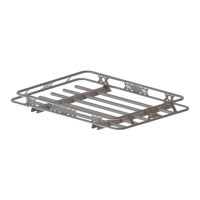
The figure on the right gives an
indication of how these two types of
enrichments affect the mixture, when
suddenly the throttle valve is opened.
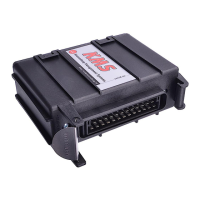
3.2.4.1.6 Interpol. to limits and Fuel cut
This function can disable the interpolation between values
of the fuel map when the outer limits of the map are 0.0.
This enables a safe engine speed limiter to be set or to stop
injection entirely when the accelerator is released. In the
case of the speed limiter, the engine can be prevented
from running on an increasingly poor fuel air mix, which
might cause engine damage. This does not apply when the
speed limiters are set to a lower maximum engine speed.
We recommend to use the standard limiters (see also
section: 3.2.4.1.2.1 Standard Limiters)


 To Next Page