37
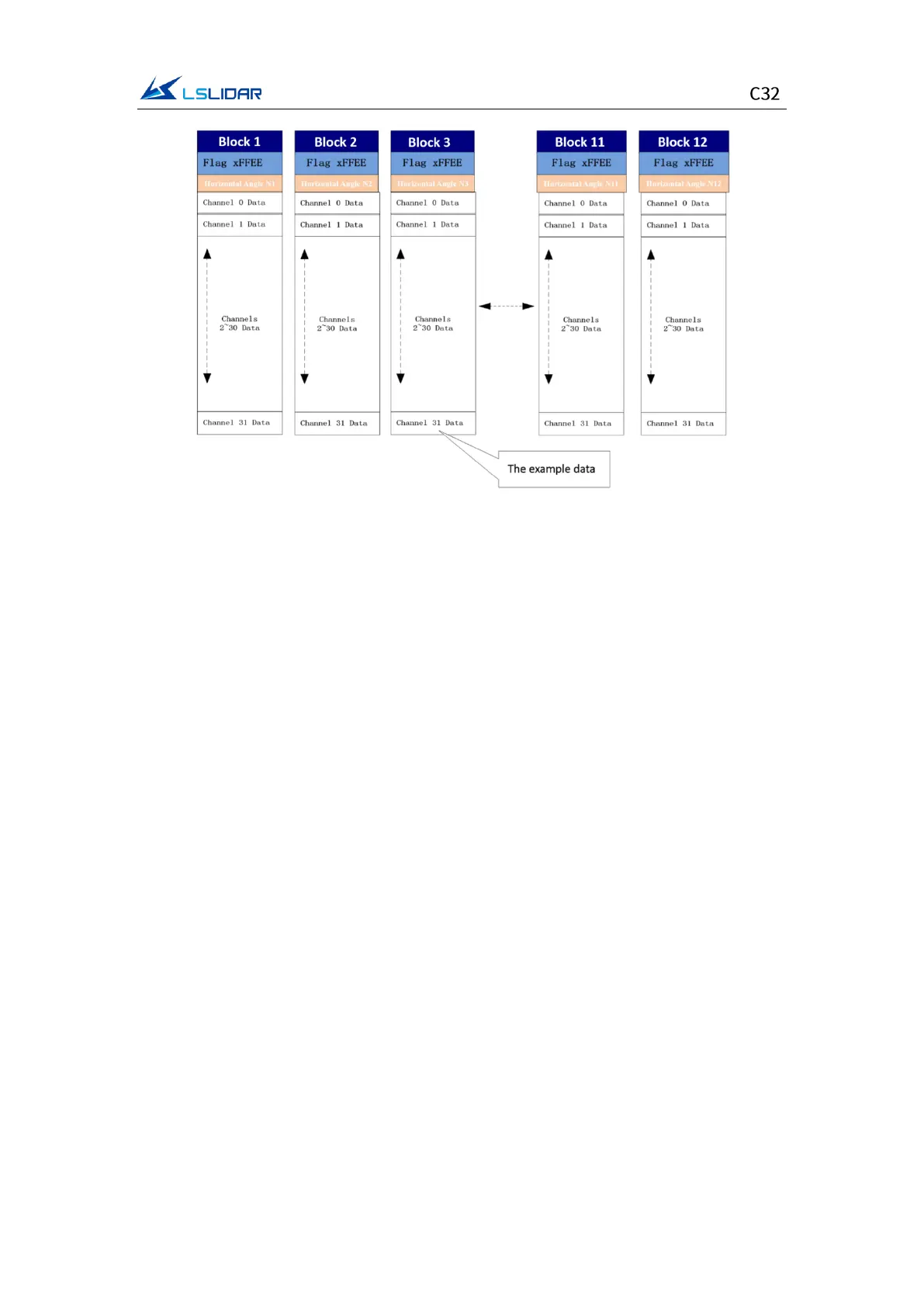
Figure 7.1 Single Echo Data Block Structure
Take Channel 31 data of Block 3 as an example:
1) The vertical angle of the Channel 31 can be obtained from Table 7.1.
2) The horizontal angle of the starting channel of Block 3 is N3 degrees, which
is the horizontal angle of Channel 0. The horizontal angle of the next block is N4
degrees.
3) The horizontal angle of rotation between each channel of Block 3 is equally
spaced (N4-N3)/32 degrees;
4) According to Table 8.1, the lighting time of Channel 31 (T
0
+(T*31)) is the 31st
time of Block 3, and its angular deflection relative to the lighting time of Channel
0 (T
0
) is (N4-N3) /32*31 degrees. Therefore, the horizontal angle of Channel 31
= (N3+(N4-N3)/32*31) degrees;
5) Horizontal angle (absolute) = horizontal angle (relative) + angular deflection =
(Azimuth N + (Azimuth(N+1)- Azimuth N) / 32 * n) degrees. (“n” is the channel
number: 0, 1, 2, … 31).
7.2.2 Horizontal Angle Calculation of Dual Echo Mode
In the dual echo data packet, a single-point laser emission obtains two returned
data. Every two data blocks contain two measured values of 32 channels of the
the same set, and each pair of parity data blocks returns only one azimuth angle
(That is, the horizontal angles of odd-numbered blocks and even-numbered
blocks are the same). The angle value provided by the N-th odd-numbered block
and the (N+1)-th even-numbered block is the horizontal angle value


 To Next Page