62
•
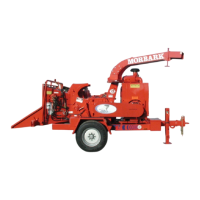
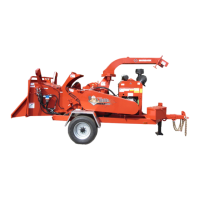
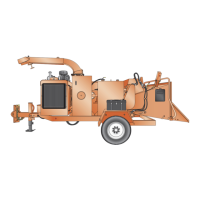
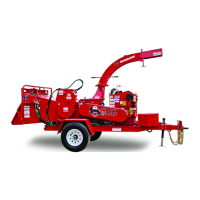
Tornado 15
HYDRAULIC SAFETY
BE CAREFUL OF:
1. Leaks
Puddles of uid are slippery and haz-
ardous
Most hydraulic oils will vaporize and
ignite, disastrous res are possible
Leaking uid may be hot and can pro-
duce severe burns
Fluid can squirt out under high pres-
sure with dangerous force. Pin hole
jets can pierce skin and damage eyes
WARNING: Escaping fluid under
pressure can penetrate the skin,
causing serious personal injury. Re-
lieve pressure before disconnecting
hydraulic or other lines. Tighten all
connections before applying pres-
sure. Use a piece of cardboard or
paper to search for leaks. Never use
your hand! If any fluid is injected
into the skin, it must be surgically
removed within a few hours by a
doctor familiar with this type of in-
jury or gangrene may result.
2. Hot Components
Pumps and motors
Relief valves
Anyplace uid has been owing
CAUTION: Always wear safety gog-
gles or safety glasses during main-
tenance.
3. Stored energy - Even with the power
unit off, there may be energy stored
in the system due to:
Stalled feedwheels
Suspended loads, booms and stabiliz-
ers
Charged accumulators
Electrical voltage
CAUTION: Never boost pressure settings
on hydraulics. This will void the manufactur-
er's warranty.
•
•
•
•
•
•
•
•
•
•
•
A hydraulic pump makes oil ow but there
must be resistance for the ow to gener-
ate pressure.If a motor or a cylinder does
not work or works slowly, the uid must be
slipping through it or bypassing the work
completely. Trace the lines to the motor or
the cylinder, then place a pressure check on
the working line. When the pump is working
at the proper gallons per minute (GPM) and
the pressure checks out OK, you will nd
that in most cases your motor or your cylin-
der is defective. If the pressure is too low,
the pump or the relief valve is causing the
difculties. Clean relief valve thoroughly. Re-
assemble relief valve and check the pres-
sure again.
Example: If the pump is pumping six gal-
lons in 30 seconds and the pump is a 12
GPM, then you know that it is performing
at capacity. If it will only pump two or three
GPM in 30 seconds, you know that the
pump is only performing at 50% of its ca-
pacity. If the pump is performing properly,
the relief valve is defective. If the pump isn't
performing right, it will need repairing or
replacement. When the pump is pumping at
the proper GPM and the pressure is correct,
you will nd that in most cases, your hydrau-
lic motor or cylinder is defective.
HYDRAULIC FILTERS
The lters used on this machine are 10
micron absolute and should not be replaced
with any lter not meeting or exceeding this
rating.
HYDRAULIC OIL
Change hydraulic oil every 2000 operating
hours or one year under normal conditions
and every 1000 hours or 6 months, which-
ever comes rst, when under extremely dirty
conditions. If hydraulic component failure
is a regular maintenance problem, monthly
testing of the system will help determine
your change periods.
CAUTION: Do not use any hydraulic oil that
does not contain anti-wear additives.
UNDERSTANDING HYDRAULICS



 To Next Page