OPERATION & MAINTENANCE MANUAL TMS2000/3000
TMS Operations and Maintenance Manual.docx February 12, 2018
PAGE 78
APPENDIX B – MAINTENANCE
This maintenance documentation presumes that the system to be tested has been installed in accordance with
all current documentation for the system and has been started up by a factory certified technician. If you feel
that this service has not been performed, adequately or otherwise, please contact your local authorized
Pneumercator service provider to make the necessary arrangements.
The TMS Series and LC2000 products will be able to detect many conditions, including memory failure within
the system, probe communication issues, and sensor wiring faults (when equipped with a Pneumercator fault
detecting sensor). Reviewing and addressing any Alarm or Event conditions displayed on the TMS would be
the best place to start for determining the proper functioning of the system. Inspection of all cabling for cracking
or swelling and evaluating the condition of the splices will help to maintain a properly working system.
Before connecting or disconnecting ANY cables, power off the system. Once the cabling changes are complete,
the system can be powered on.
While annual inspection is considered to be a good general practice, it may be required by regulation or
application to perform inspections more frequently.
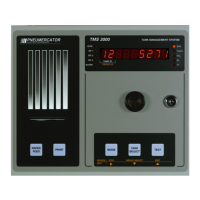
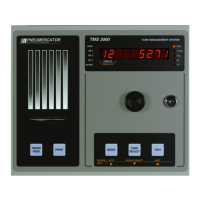
The following table includes a model specific list of additional points of inspection.
1. If equipped with a printer, verify there is adequate paper.
Press PRINT to verify the operation of the printer. If the
printout is light or blank, verify the ribbon is seated properly. If
so, replace the ribbon. Note: the printout generated will
include a Full Inventory and Alarm Status report which can be
used for further identification of problems.
2. Press the TEST button to verify all integrated lights and horn
are functioning
1. Take a stick reading of each tank for both Product and Water
and confirm that the TMS Level Reading matches the stick
reading. If there is a discrepancy, perform the float height
offset procedure as outlined in the Quick Startup Guide.
2. If In-Tank Leak Testing is required, confirm the results show
passing tests and verify the schedule.


 To Next Page