34 | E33-10 FPI Direct Vent Gas Insert
|
34
operating instructions
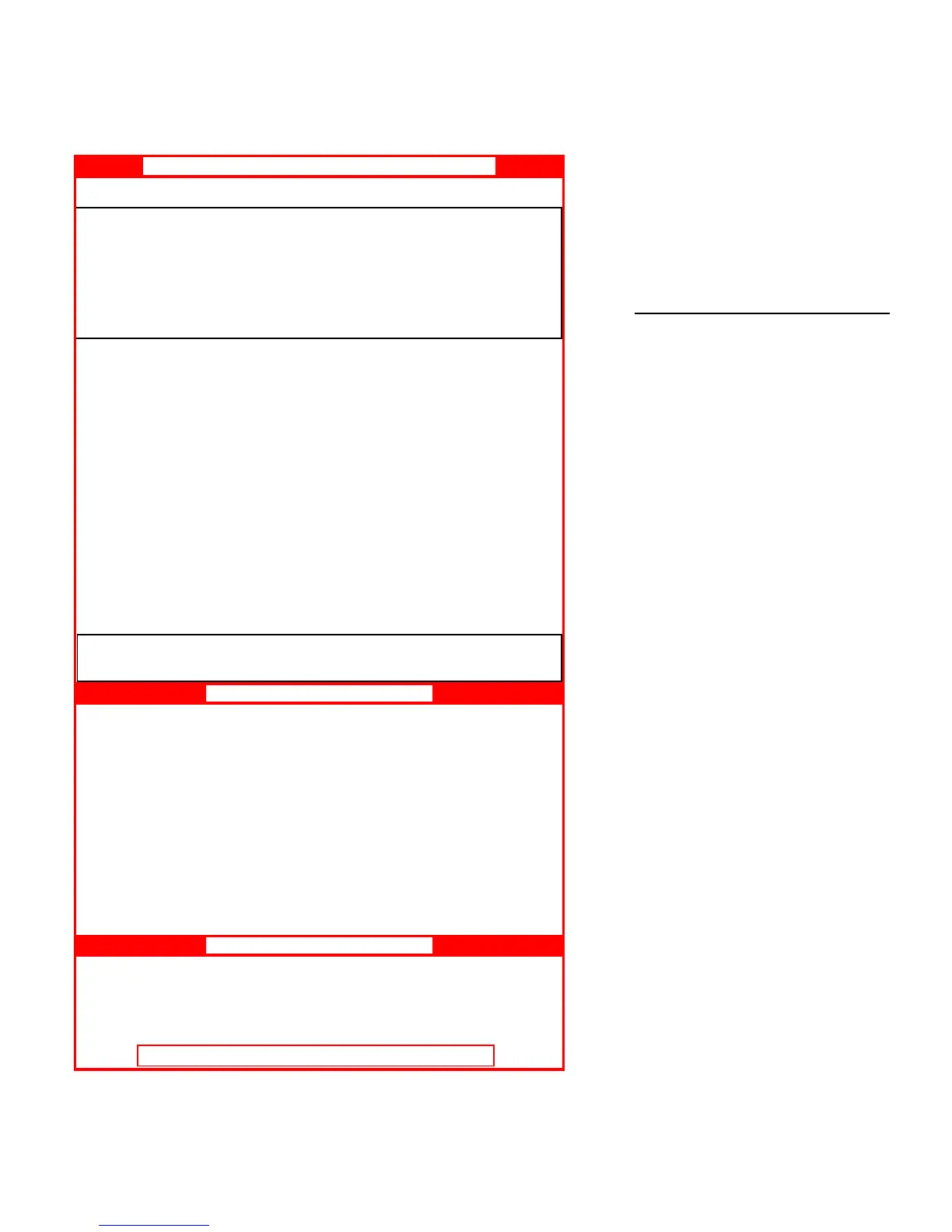
COPY OF LIGHTING INSTRUCTION PLATE
AUTOMATIC
CONVECTION
FAN OPERATION
The fan operates automatically. Turn the knob on
the side of the faceplate to adjust to the desired
speed. The fan will turn on as the stove comes
up to operating temperature. After the unit has
been turned o and the unit has been cooled
to below useful heat output range, the fan will
shut o automatically.
NORMAL OPERATING
SOUNDS OF
GAS APPLIANCES
It is possible that you will hear some sounds
from your gas appliance. This is perfectly normal
due to the fact that there are various gauges
and types of steel used within your appliance.
Listed below are some examples. All are normal
operating sounds and should not be considered
as defects in your appliance.
Blower:
Regency gas appliances use high tech blowers
to push heated air farther into the room. It is not
unusual for the fan to make a "whirring" sound
when ON. This sound will increase or decrease
in volume depending on the speed setting of
your fan speed control.
Burner Tray:
The burner tray is positioned directly under the
burner tube(s) and logs and is made of a dierent
gauge material from the rest of the rebox and
body. Therefore, the varying thicknesses of steel
will expand and contract at slightly dierent
rates which can cause "ticking" and "cracking"
sounds. You should also be aware that as there
are temperature changes within the unit. These
sounds will likely re-occur. Again, this is normal
for steel reboxes.
Blower Thermodisc:
When thermally activated switch turns ON, it
will create a small "clicking" sound. This is the
contact switch closing.
Pilot Flame:
While the pilot ame is on it will make a slight
"whisper" sound.
Gas Control Valve:
As the gas control valve turns ON and OFF, a
dull clicking sound may be heard. This is normal
operation of a gas regulator or valve.
Unit Body and Firebox:
Dierent types and thicknesses of steel will
expand and contract at dierent rates resulting in
some "cracking" and "ticking" sounds which will
be heard throughout the cycling process.
919-456
Part #: 919-456
Colours: Black on Grey, except
for parts indicated as being
Red.
Size: 100%
5.2" x 9.6"
Sept. 23/14: Created decal
A) This appliance is equipped with an ignition device which automatically lights the pilot.
Do not try to light the pilot by hand.
B) BEFORE OPERATING smell all around the appliance area for gas. Be sure to smell next to the fl oor
because some gas is heavier than air and will settle on the fl oor.
WHAT TO DO IF YOU SMELL GAS
- Do not try to light any appliance.
- Do not touch any electric switch, do not use any phone in your building.
- Immediately call your gas supplier from a neighbours phone. Follow the gas supplier’s instructions.
- If you cannot reach your gas supplier, call the fi re department.
C) Do not use this appliance if any part has been under water. Immediately call a qualifi ed service
technician to inspect the appliance and replace any part of the control system and any
gas control which has been underwater.
A) Cet appareil est muni d’un dispositif d’allumage qui allume automatiquement la veilleuse.
Ne tentez pas d’allumer la veilleuse manuellement.
B) AVANT LA MISE EN MARCHE, renifl ez tout autour de l’appareil pour déceler une odeur de gaz. Renifl ez au niveau
du plancher, car certains gaz sont plus lourds que l’air et peuvent s’accumuler au niveau du sol.
QUE FAIRE SI VOUS SENTEZ UNE ODEUR DE GAZ :
• Ne tentez pas d’allumer d’appareil
• Ne touchez à aucun interrupteur; n'utilisez pas de téléphones se trouvant dans le bâtiment.
• Appelez immédiatement votre fournisseur de gaz depuis un téléphone extérieur. Suivez les
instructions du fournisseur.
• Si vous ne pouvez pas rejoindre le fournisseur, appelez le service incendie.
C) N’utilisez pas cet appareil s’il a été plongé dans l’eau, même partiellement. Faites inspecter l’appareil par un tech-
nicien qualifi é et remplacez tout élément du système de contrôle ou de commande qui a été plongé dans l’eau.
DO NOT REMOVE THIS INSTRUCTION PLATE
TO TURN OFF GAS APPLIANCE
This appliance must be installed in accordance with local codes, if any;
if none, follow the National Fuel Gas Code, ANSI Z223.1/NFPA 54, or
Natural Gas and Propane Installation Codes, CSA B149.1.
CAUTION: Hot while in operation. Do not touch. Severe Burns may result. Due to high surface
temperatures keep children, clothing and furniture, gasoline and other liquids having fl ammable
vapors away. Keep burner and control compartment clean. See installation and operating
instructions accompanying appliance.
WARNING: If you do not follow these instructions exactly, a fire or explosion may result
causing property damage, personal injury or loss of life. Improper installation, adjustment,
alteration, service or maintenance can cause injury or property damage. Refer to the owner’s
information manual provided with this appliance. For assistance or additional information
consult a qualified installer, service agency or gas supplier.
AVERTISSEMENT : Le non-respect des instructions du présent manuel risque de déclencher un
incendie ou une explosion pouvant entraîner des dégâts matériels ou des blessures pouvant être
mortelles.
Une mauvaise installation, un mauvais réglage, une altération ou un entretien mal effectué peut en-
traîner des dégâts matériels ou des blessures. Reportez-vous au manuel d'utilisation fourni avec
cet appareil. Pour obtenir de l'aide ou des informations supplémentaires consulter un installa-
teur ou un service d'entretien qualifi é, ou le fournisseur de gaz.
Important: If the pilot does not hold, turn pilot knob to "OFF" position. Wait 5 minutes to clear gas. If you
smell gas - STOP! Follow the safety information above. If you don't smell gas, repeat Steps 1-6.
1) Push in gas control knob slightly and turn to "PILOT" position.
2) Push in control knob all the way and hold in until the pilot lights up. Continue to hold the control knob in
for about 20 seconds after the pilot is lit. Release knob.
3) Push in gas control knob slightly and turn to "ON" position.
4) Ensure the receiver is in the remote position.
5) Press and release the ON/OFF button on the remote handheld transmitter. An audible beep should be
heard from the receiver.
6) The unit will turn on.
Important : Si la veilleuse ne reste pas allumée, mettre le bouton de la veilleuse sur "OFF". Attendre 5
minutes pour laisser le gaz se dissiper. Si vous sentez du gaz, ARRÊTEZ ! Suivre les consignes de sécurité
ci-dessus.
Si vous ne sentez pas de gaz, répétez les opérations 1 à 6.
1) Appuyer légèrement sur le bouton de contrôle de gaz et mettre sur la position "PILOT".
2) Maintenir appuyé le bouton de contrôle jusqu'à ce que la veilleuse s'allume, puis pendant les 20 secondes
qui suivent l'allumage. Relâcher le bouton.
3) Appuyer légèrement sur le bouton de contrôle de gaz et mettre sur la position "ON".
4) S'assurer que le récepteur est sur la position ''Remote''.
5) Maintenir puis relâcher le bouton ON/OFF de la télécommande manuelle. Le récepteur émettra un ''bip''.
6) L'appareil s'allume.
1) Press "OFF" on the remote or slide receiver switch from remote to "OFF".
2) Turn the gas control knob to the "OFF" position to turn off the pilot.
Pilot may be shut off during prolonged non use periods to conserve fuel.
1)
Appuyer sur le bouton "OFF" de la télécommande ou positionner l'interrupteur du récepteur sur "OFF".
2) Mettre le bouton de contrôle de gaz sur ''OFF'' pour éteindre la veilleuse.
Pour économiser le carburant, éteindre la veilleuse quand l’appareil reste longtemps inutilisé.
LIGHTING INSTRUCTIONS
FOR YOUR SAFETY READ BEFORE LIGHTING


 To Next Page