EasyManua.ls Logo

Toro TXL 2000 - User Manual

Toro TXL 2000
60 pages
Print Icon
To Next Page IconTo Next Page
Loading...
FormNo.3434-754RevB
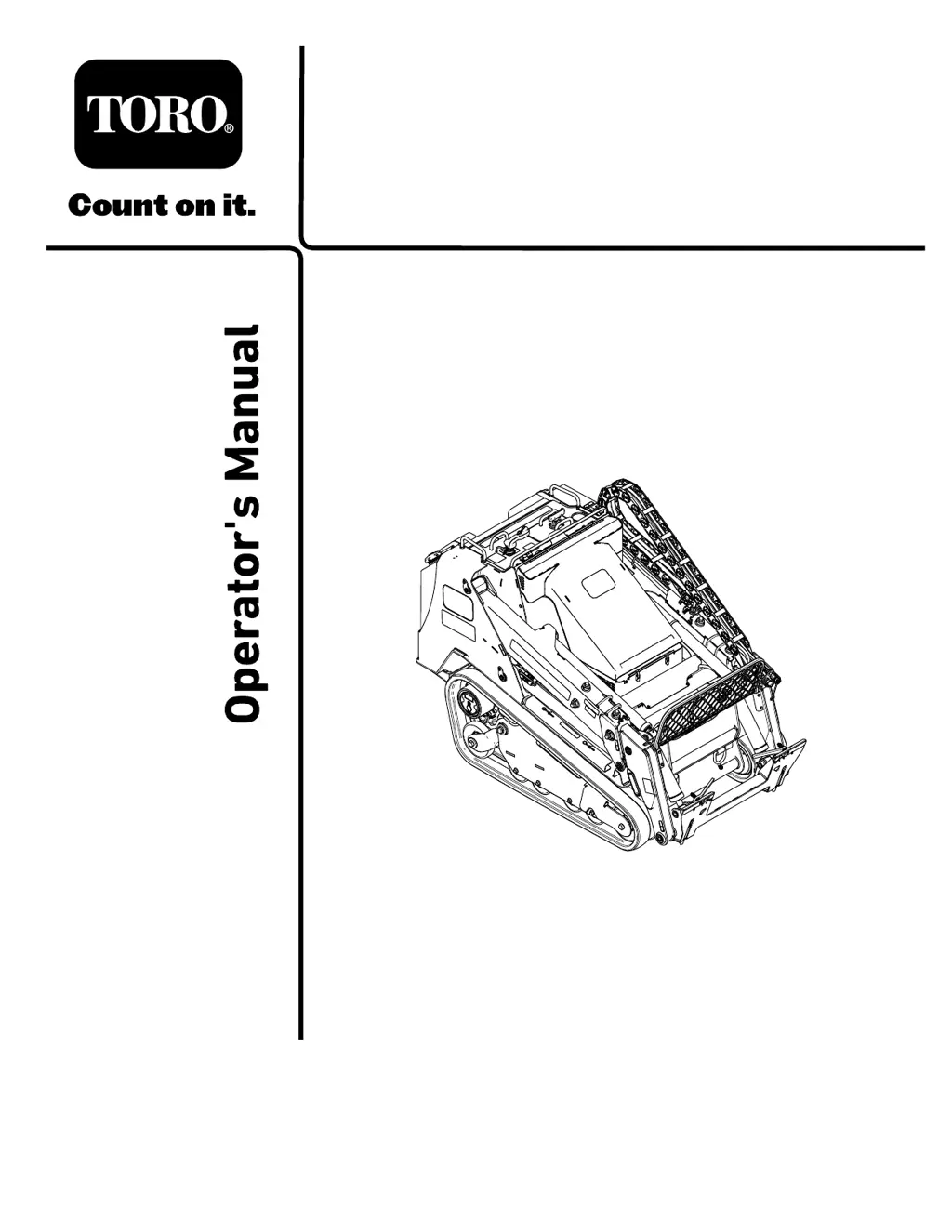
TXL2000ToolCarrier
ModelNo.22530—SerialNo.405540000andUp
ModelNo.22531—SerialNo.405540000andUp
Registeratwww.Toro.com.
OriginalInstructions(EN)
*3434-754*B

Table of Contents

Questions and Answers

  • V
    Victoria ChavezJul 25, 2025
    Why Toro Snow Blower does not operate?
    • J
      Jeffrey CastilloJul 25, 2025
      The Toro Snow Blower might not be operating due to several reasons: a hydraulic coupler is not completely connected, a hydraulic coupler is damaged, there is an obstruction in a hydraulic hose, a hydraulic hose is kinked, the auxiliary valve on the traction unit is not opening, or a hydraulic motor is damaged or worn. To address this, check and tighten all couplers, replace any damaged couplers, remove any obstructions, replace the kinked hose, repair the valve, or replace/repair the motor.
  • C
    Cynthia HenryJul 30, 2025
    What to do if the chute does not rotate or the deflector does not raise or lower on my Toro Snow Blower?
    • A
      Andrew CarrJul 30, 2025
      If the chute on your Toro Snow Blower doesn't rotate or the deflector doesn't raise or lower, the wire harness or solenoid connector may not be fully connected. Ensure that the wire harness or solenoid connector is fully connected.
  • S
    stevenrodriguezAug 3, 2025
    Why does my Toro Construction Equipment engine not start?
    • M
      Matthew HarperAug 3, 2025
      Your Toro Construction Equipment engine might fail to start due to several reasons: * There may be dirt, water, stale fuel, or incorrect fuel in the fuel system. In this case, drain and flush the fuel system, then add fresh fuel. * The fuel filter could be clogged, requiring a replacement. * If you're using an improper fuel grade for cold weather, drain the fuel system, replace the fuel filter, and add fresh fuel of the proper grade for the ambient temperature. You may also need to warm the entire traction unit. * The battery might be discharged. Try charging or replacing it.
  • D
    Dana GarciaAug 7, 2025
    What to do if my Toro Construction Equipment engine loses power?
    • B
      Brian RossAug 7, 2025
      If your Toro Construction Equipment engine loses power, consider the following: * Ensure the fuel tank is filled with fresh fuel. * Bleed the fuel system to eliminate air, and inspect fuel hose connections and fittings between the fuel tank and engine for leaks. * If the engine is overheating, refer to the section regarding engine overheating. * Reduce the engine load or use a lower ground speed if the load is excessive. * Correct the crankcase-oil level by filling or draining to the Full mark. * Service the air filters if they are dirty.
  • S
    Susan WilkersonAug 11, 2025
    What to do if my Toro Construction Equipment engine starts but does not keep running?
    • K
      Kimberly ClarkAug 12, 2025
      If your Toro Construction Equipment engine starts but doesn't continue running, check these potential causes: * The fuel tank may be empty; refill it with fresh fuel. * Air could be present in the fuel system; bleed the system and inspect fuel hose connections for leaks. * The engine might be overheating; refer to the section on engine overheating for guidance. * Dirty air-cleaner filters can cause this issue; service the air filters.
  • J
    Jamie TurnerAug 20, 2025
    What to do if my Toro Construction Equipment does not drive?
    • G
      george72Aug 20, 2025
      If your Toro Construction Equipment isn't driving, here are a few things to check: * Ensure the parking brake is disengaged. * Verify the hydraulic-fluid level and add fluid to the reservoir if it's low. * Close the bypass valves if they are open. * Check fan connections or replace damaged parts if the cooling fans are damaged or disconnected.
  • O
    Oscar SimonNov 15, 2025
    Why is my Toro Construction Equipment engine overheating?
    • B
      Benjamin LewisNov 15, 2025
      Your Toro Construction Equipment engine may be overheating due to several reasons: * Check and correct the crankcase-oil level, ensuring it's at the Full mark. * Inspect the alternator belt for damage or elongation; replace or adjust it as needed. * Verify and replenish the coolant level. * Adjust the antifreeze concentration if it's too high by adding water or switching to a coolant with the specified mixing ratio. * Ensure unrestricted airflow to the radiator by inspecting and cleaning the radiator screen. * Address corrosion inside the radiator by cleaning or replacing the radiator and its components. * Replace any damaged radiator parts, including the radiator cap. * Inspect the thermostat and replace it if it's defective. * Check the temperature with a thermometer a...

Summary

Introduction and Safety

General Safety

Essential safety rules to prevent injury and ensure safe operation of the machine.

Safety Decals and Warnings

Identification and interpretation of safety decals and warning symbols on the machine.

Slope and Utility Line Safety

Specific safety measures for operating on slopes and near potential utility line hazards.

Product Overview and Controls

Machine Components and Controls

Overview of machine parts, control panel layout, levers, and joystick operations.

InfoCenter Display and Settings

Explanation of the InfoCenter display, icons, menus, and how to adjust settings.

Attachment Handling Procedures

Procedures for installing, connecting hydraulic hoses, and removing machine attachments.

Specifications and Accessories

Machine Specifications

Detailed technical data, dimensions, and capacities for the TXL 2000 Tool Carrier models.

Available Attachments

Information on Toro-manufactured attachments compatible with the machine for enhanced capabilities.

Operation Procedures

Before Operation Checks

Pre-operation safety checks, fluid checks, and procedures for starting the machine.

During Operation Guidelines

Safe practices, operational procedures, and hazard awareness while using the machine.

After Operation Procedures

Steps for shutting down, cleaning, securing, and preparing the machine for storage or transport.

Maintenance Procedures

Maintenance Safety and Schedules

Essential safety precautions and the recommended schedule for routine maintenance tasks.

Engine System Maintenance

Servicing the air cleaner, engine oil, and filter for optimal engine performance.

Fuel, Electrical, and Cooling Systems Maintenance

Maintenance for fuel system (filters, bleeding), electrical system (battery), and engine cooling system.

Drive, Tracks, and Hydraulic Systems Maintenance

Maintenance for drive motors, tracks, hydraulic fluid, filters, and loader arms.

Belt, Controls, and Chassis Cleaning

Maintenance for belts, controls, and cleaning the machine chassis and debris.

Storage and Troubleshooting

Storage Procedures and Safety

Guidelines for safely storing the machine, including preparation and location.

Troubleshooting Common Issues

Solutions for common machine problems like engine issues, power loss, and drive system malfunctions.

California Proposition 65 Warning

Understanding Proposition 65

Explanation of California's Proposition 65 warning and its implications for product sales.

Toro TXL 2000 Specifications

General IconGeneral
Horsepower55.4 hp
Operating Weight6, 393 lbs
Width66.9 inches
Height83.9 inches
Length132.3 inches
Fuel TypeDiesel
Lift Capacity4, 000 lbs
Tipping Capacity4, 000 lbs

Related product manuals