microLAN b.v. BACTcontrol – User Manual – V0.4.4 Page 55 of 59
The volume to be filtered has to be set by the user, which might vary with the type of water.
The volume to be pumped can be set, with a minimum of 100 up to a maximum of 1000
millilitres.
When the sample is at the correct temperature the reagents are pumped into the
reaction chamber and the incubation time starts. During the incubation the photodiode
measures the fluorescence produced of enzymatic activity which increases when the
bacteria are present in the sample. The measured fluorescence is converted into
amount bacteria per 100 millilitres of measured sample.
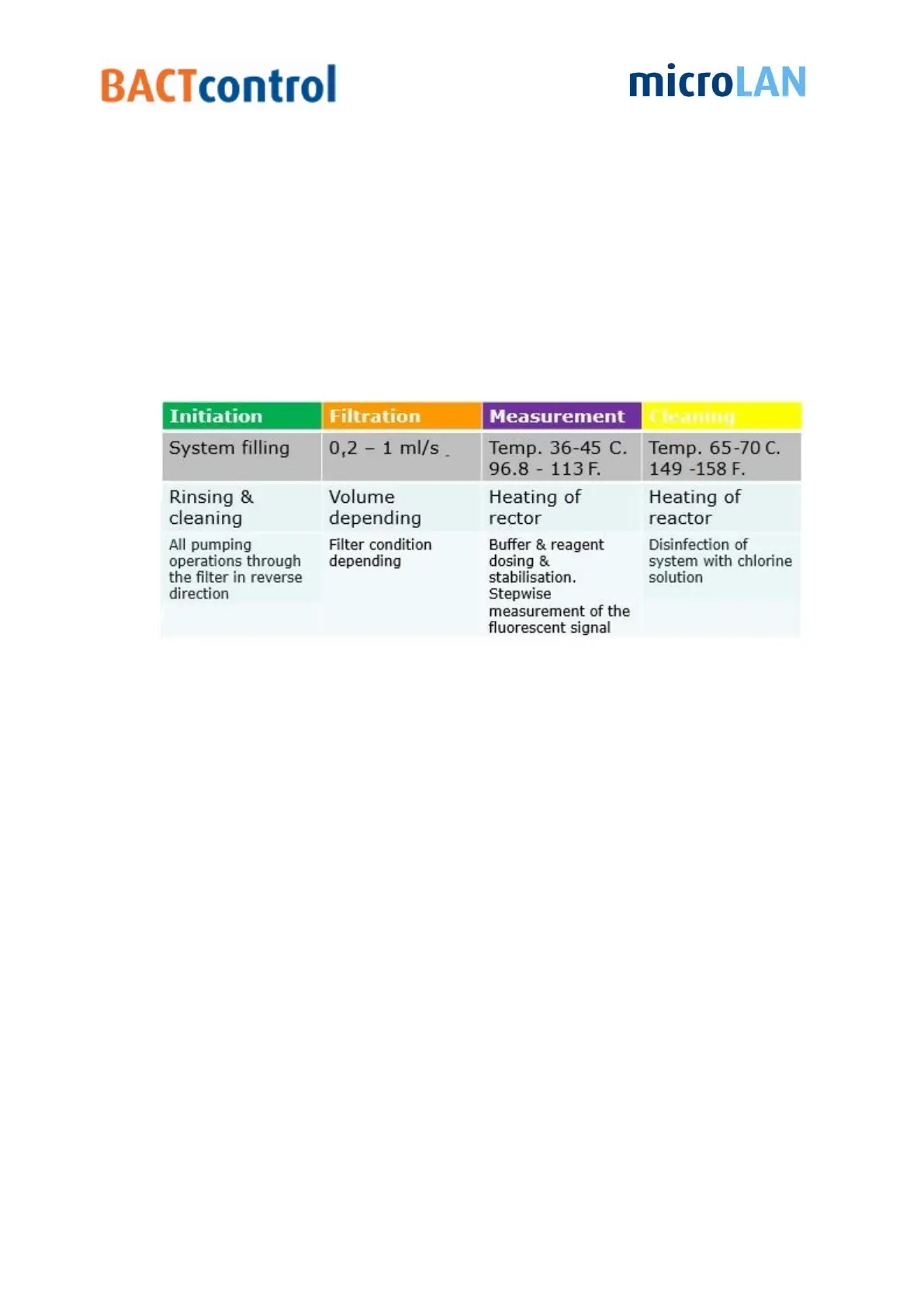
Figure 32 shows the general measurement process of the BACTcontrol. It describes
the different steps involved in the measurement including parameters like time,
volume, temperature and dosing of reagents.
When the measurement begins, after reaching the adequate temperature (Coliform
36 °C / 96,8°F, E.coli 44 °C / 111,2°F) and adding the buffer solution and reagents,
the bacterial enzymatic activity starts. The enzymes start a metabolic process,
converting large substrates into smaller substrates or products. The reagents added to
the reactor contain the substrates needed for the measurements. Due to the
fluorescent characteristic of these substrates it is possible to measure the enzymatic
activity and therefore an approximation of the bacterial population can be made. The
fluorescence is determined during the “Measurement” steps. For a detailed
explanation of the working of the enzymes see the next paragraph.
ENZYMES
Enzymes are large proteins structures responsible for thousands of metabolic
processes. Enzymes can either launch a reaction or speed it up (catalyst). In
enzymatic reactions, substrates are converted into different molecules, called
products (Figure 33). Almost all chemical reactions in a biological cells, including
bacteria like E.coli and coliforms, need enzymes. Since enzymes are selective for
their substrates and speed up only a few reactions from among many possibilities, the
set of enzymes made in a cell determines which metabolic pathway occur in that cell.
Figure 32 General measurements steps


 To Next Page