© 1999-2017 Citrix Systems, Inc. All rights reserved. p.106https://docs.citrix.com
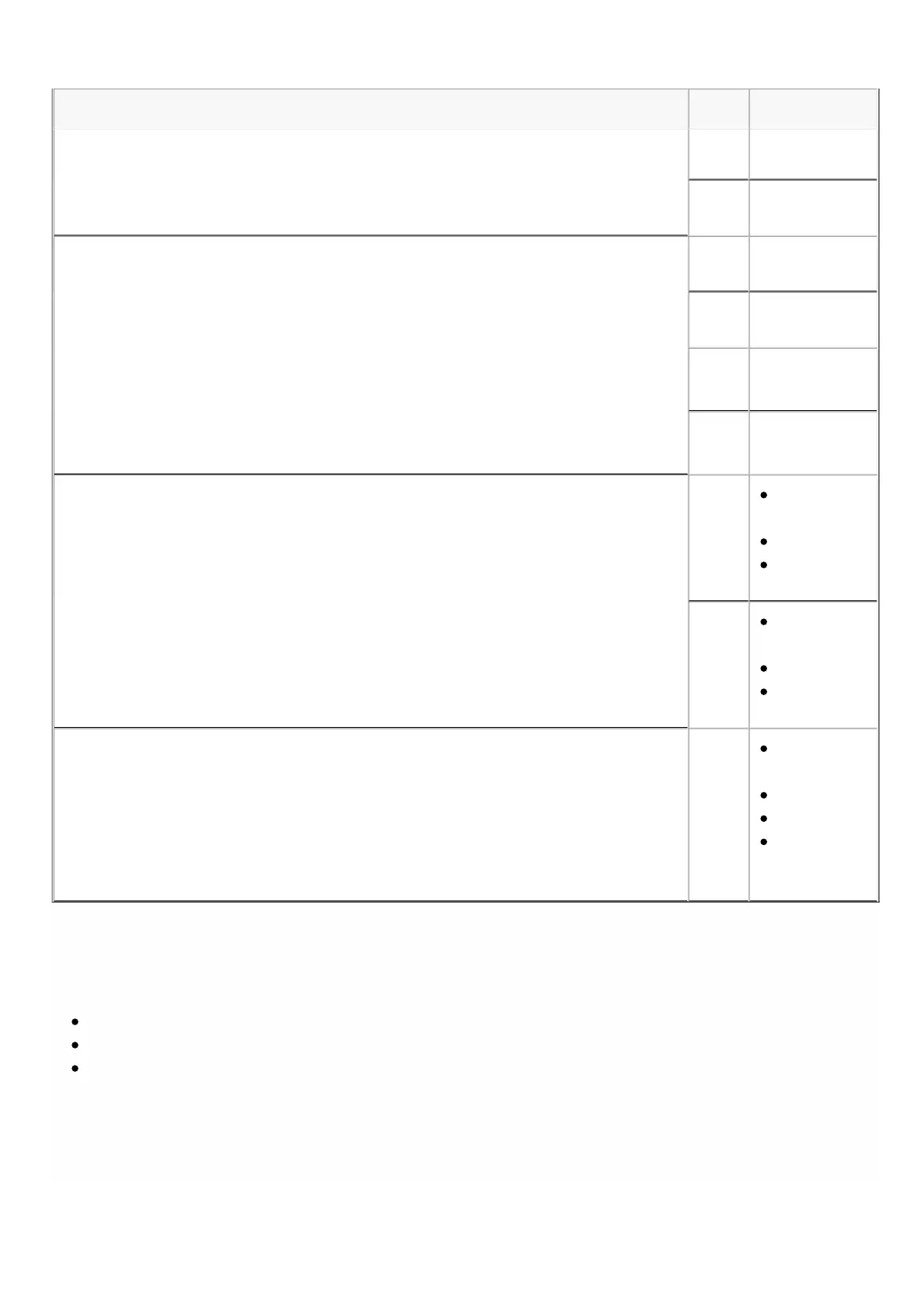
IP address of client CL1 CL1 192.0.2.10
IP address of servers S1 198.51.100.19
S2 198.51.100.20
MTUs specified for interfaces (by using the Management Service interface) and VLANs on
NS1 (by using NetScaler command line interface).
10/1 9000
10/2 9000
VLAN
10
9000
VLAN
20
9000
Services on NS1 representing servers SVC-
S1
IP address:
198.51.100.19
Protocol: SIP
Port: 5060
SVC-
S2
IP address:
198.51.100.20
Protocol: SIP
Port: 5060
Load balancing virtual server on VLAN 10 LBVS-
1
IP address:
203.0.113.15
Protocol: SIP
Port: 5060
SVC-S1, SVC-
S2
Entity Name Details
Following is the traffic flow of CL1's request to NS1:
1. CL1 creates a 20000-byte SIP request for LBVS1.
2. CL1 sends the request data in IP fragments to LBVS1 of NS1. The size of each IP fragment is either equal to or less than
the MTU (9000) set on the interface from which CL1 sends these fragments to NS1.
Size of the first IP fragment = [IP header + UDP header + SIP data segment] = [20 + 8 + 8972] = 9000
Size of the second IP fragment = [IP header + SIP data segment] = [20 + 8980] = 9000
Size of the last IP fragment=[IP header + SIP data segment] = [20 + 2048] = 2068
3. NS1 receives the request IP fragments at interface 10/1. NS1 accepts these fragments, because the size of each of
these fragments is equal to or less than the MTU (9000) of interface 10/1.
4. NS1 reassembles these IP fragments to form the 27000-byte SIP request. NS1 processes this request.
5. LBVS-1's load balancing algorithm selects server S1.



 To Next Page