PARTS INFORMATION MICRO-TEMP
®
LT, Model 749
OPERATION AND TECHNICAL MANUAL
Page 74 of 75
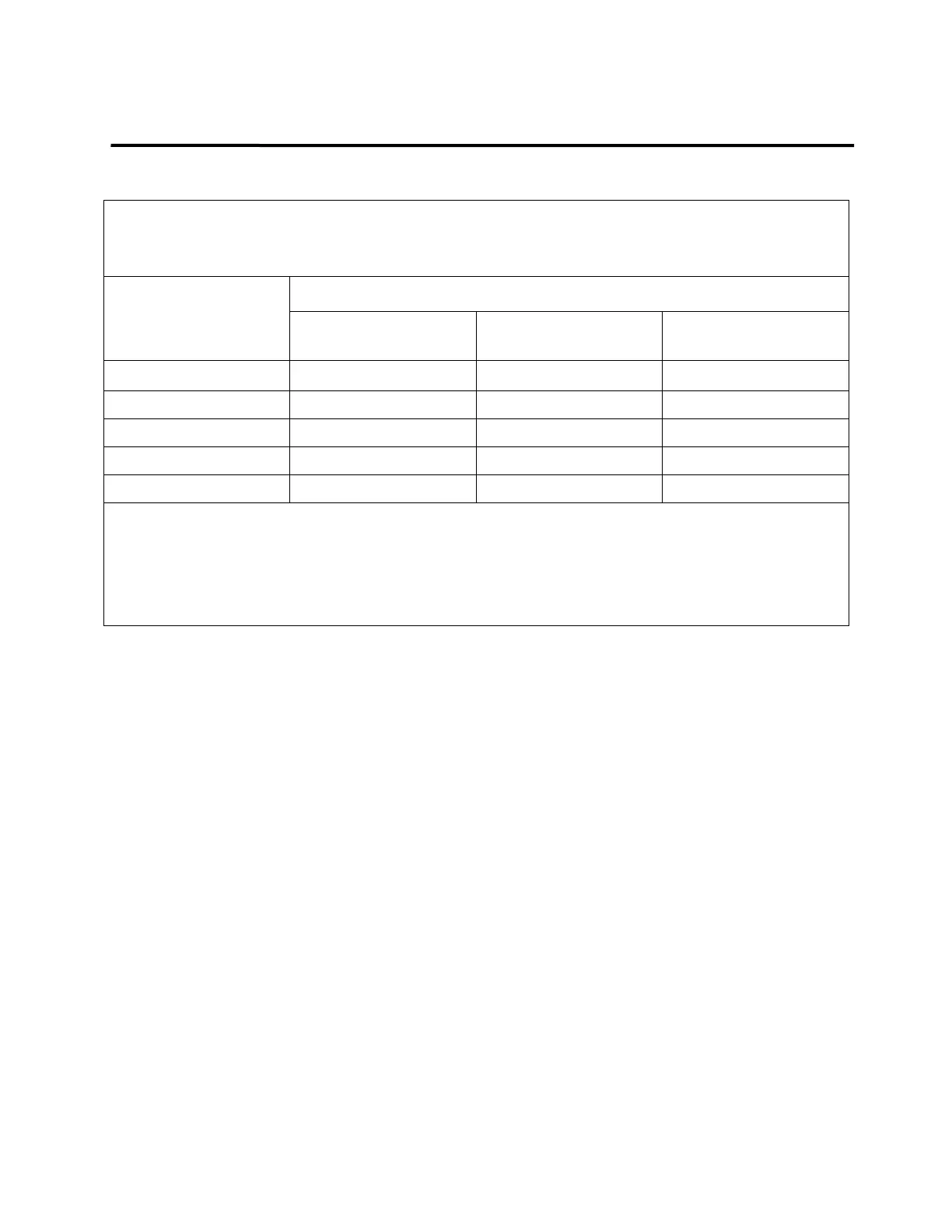
Table 4 – Recommended Separation Distances Between Portable and Mobile RF Communications
Equipment and the Micro-Temp
®
LT, Model 749
The Micro-Temp
®
LT, Model 749 is intended for use in an electromagnetic environment in which radiated RF disturbances are
controlled. The customer or the user of the Micro-Temp
®
LT, Model 749 can help prevent electromagnetic interference by maintaining
a minimum distance between portable and mobile RF communications equipment (transmitters) and the Micro-Temp
®
LT, Model 749
as recommended below, according to the maximum output power of the communications equipment.
Rated maximum output
power of transmitter
W
Separation distance according to frequency of transmitter
m
150 kHz to 80 MHz
d = 1,2√P
80 MHz to 800 MHz
d = 1,2√P
800 MHz to 2,5 GHz
d = 2,3√P
For transmitters rated at a maximum output power not listed above, the recommended separation distance d in meters (m) can be
estimated using the equation applicable to the frequency of the transmitter, where P is the maximum output power rating of the
transmitter in watts (W) according to the transmitter manufacturer.
Note 1: At 80 MHz and 800 MHz, the separation distance for the higher frequency range applies.
Note 2: These guidelines may not apply in all situations. Electromagnetic propagation is affected by absorption and reflection from
structures, objects and people.



 To Next Page