NV10 Operations Manual 19
Benefits:
• Proven in the field
• Simple and low cost interfacing of transaction peripherals.
• High security control of payout peripherals.
• Defence against surrogate validator fraud.
• Straightforward integration into host machines.
• Remote programming of transaction peripherals
• Open standard for universal use.
For detailed information and full protocol specification please refer to SSP Interface
Specification ITL (Drawing GA 138), this is available from the ITL website
www.innovative-technology.co.uk
.
To help in the software implementation of the SSP, ITL can provide DLL controls and Visual
Basic applications on request. Please contact support@innovative-technology.co.uk
6.7 MULTI-DROP BUS/INTERNAL COMMUNICATIONS PROTOCOL (MDB/ICP)
To use the MDB mode an IF5 interface box must be fitted to the NV10 Validator.
DIPswitches 3 & 4 must be in the up position to select ‘Special’ mode on the validator and
the MDB option of the interface firmware loaded into the NV10. (DIPswitch 2 enables a
fast reset on power up).
The Fast Reset option should be set if the NV10 continuously resets the stacker after the
machine is powered on. The Fast Reset option can be enabled via the Validator Manager
Software, or by setting Dipswitch 2 to the ON position.
Note:
Please refer to the Multi-Drop Bus specification for the suggested current drive
circuits available.
The NV10 supports the MDB protocol version 1, level 1
For detailed information and full protocol specification please refer to
www.vending.org
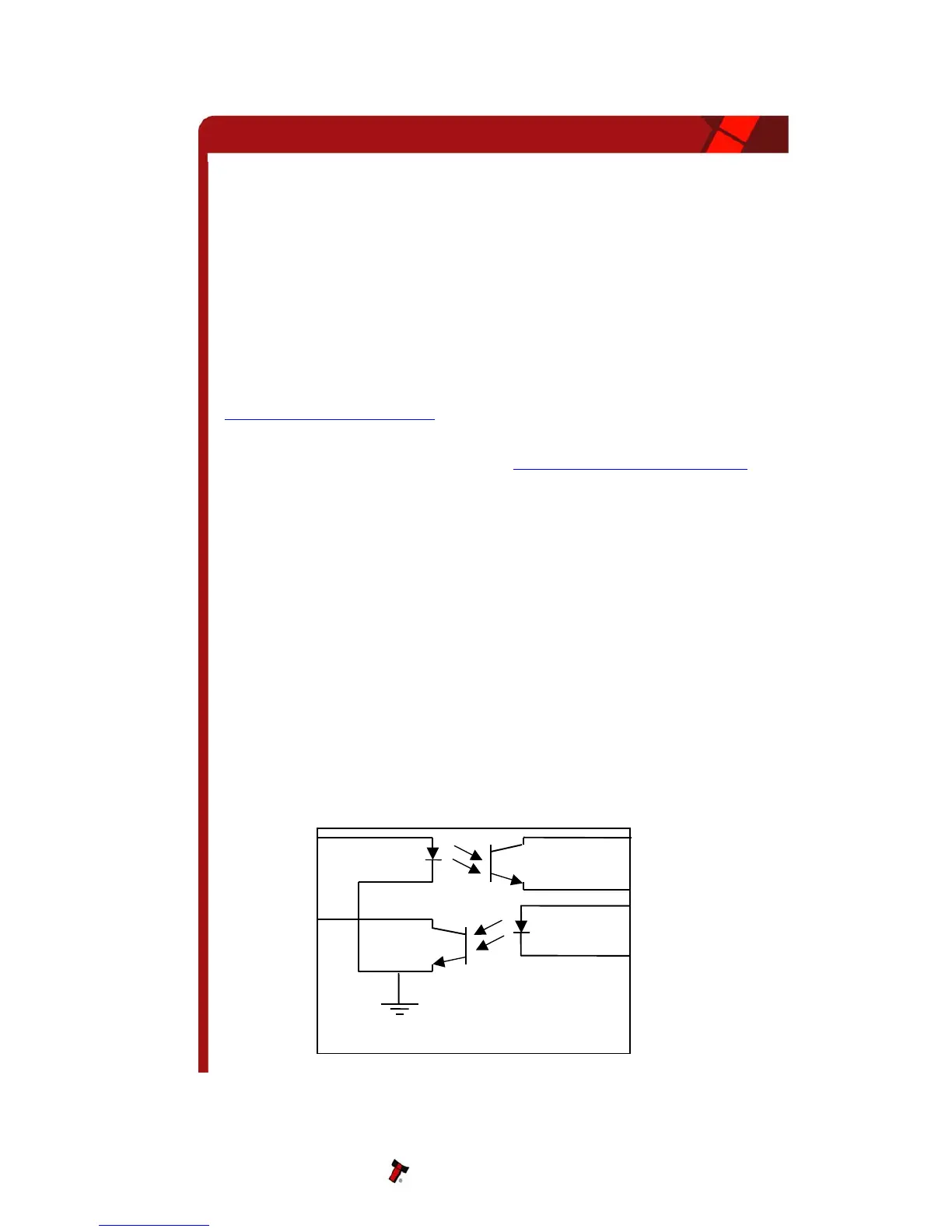
MDB defines a serial bus interface used in electrically controlled vending machines (see
figure 6). This is a 9600 Baud Master-Slave system where the NV10 banknote validator is
a slave to a master controller. A master has the capability of communicating with 32
peripherals or slaves. The master is defined as the Vending Machine Controller (VMC).
Receive


 To Next Page