EasyManua.ls Logo

Iseki TXG237 - User Manual

Iseki TXG237
98 pages
Print Icon
To Next Page IconTo Next Page
Loading...
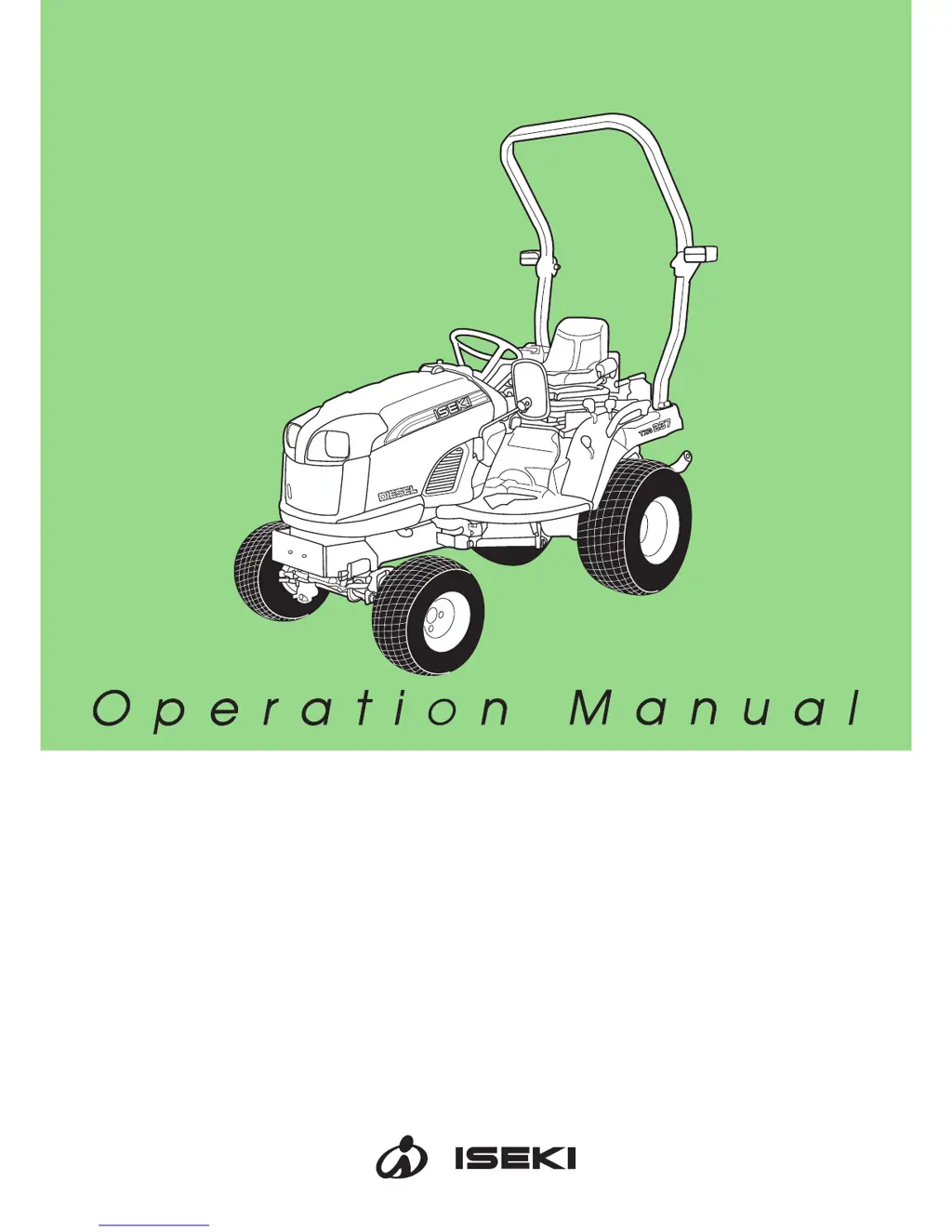
TXG237
MODEL:
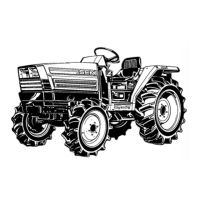
ISEKI TRACTOR

Table of Contents

Other manuals for Iseki TXG237

Questions and Answers

  • S
    Sean CortezAug 20, 2025
    What to do if the starter motor operates but the Iseki TXG237 engine does not start?
    • M
      marksilvaAug 20, 2025
      If the starter motor operates but the engine of your Iseki Tractor doesn't start, check the fuel level and ensure the fuel valve is open. Try air-bleeding the fuel system and cleaning the filter. You may also need to use the glow plugs for a longer duration. If these steps do not resolve the issue, consult your dealer.
  • S
    Samantha WellsAug 22, 2025
    How to troubleshoot irregular engine running on Iseki TXG237?
    • T
      Terry VaughnAug 22, 2025
      If your Iseki Tractor engine is running irregularly, air-bleed the fuel system and clean the filter. Retighten clamps and replace any defective pipes. If the problem continues, consult your dealer.
  • S
    Sean JacksonAug 25, 2025
    How to improve poor engine output on Iseki TXG237?
    • D
      David BenitezAug 25, 2025
      If your Iseki Tractor has poor engine output, check the fuel system and clean or replace the elements. For further assistance, consult your dealer.
  • J
    Jamie AllenAug 26, 2025
    How to fix Iseki Tractor if the starter motor does not operate?
    • C
      Courtney SotoAug 26, 2025
      If the starter motor of your Iseki Tractor doesn't operate when you turn the key to START, make sure the range shift lever is in neutral and the PTO clutch is disengaged. Also, check the battery charge and ensure all connections are clean and securely tightened. If problems persist, it is best to consult your dealer.
  • N
    Nicole Garcia PhDAug 27, 2025
    Why is the charging monitor lit during Iseki TXG237 operation?
    • J
      Jacob LawsonAug 28, 2025
      If the charging monitor is lit during the operation of your Iseki Tractor, correct any loose or dirty terminals, short circuits or poor connections. Also, correct the electrolyte level or replace the battery if necessary, and adjust the belt tension or replace it.
  • C
    Carla KingAug 29, 2025
    Why is the oil pressure monitor lit on my Iseki Tractor?
    • R
      Raymond OwensAug 30, 2025
      If the oil pressure monitor is lit during the operation of your Iseki Tractor, replenish the oil. If needed, replace it with oil of the proper viscosity. Also, replace the filter element cartridge.
  • B
    Bryan RichardsonAug 31, 2025
    What to do if Iseki TXG237 engine stops unexpectedly?
    • A
      Amanda IrwinAug 31, 2025
      If your Iseki Tractor engine stops unexpectedly during operation, top up the fuel and air-bleed the fuel system. If the problem persists, consult your dealer.
  • M
    Matthew RiveraSep 2, 2025
    Why is the Iseki TXG237 starter motor operating but not at full speed?
    • A
      Angela GibbsSep 2, 2025
      If the starter motor of your Iseki Tractor operates but not at full speed, try charging the battery and cleaning and retightening all connections securely. Clean and tighten the starter mounting. Replace the oil with oil of the proper viscosity. If the issue persists, consult your dealer.
  • E
    Eric KaufmanSep 4, 2025
    Why are the exhaust fumes from my Iseki TXG237 white?
    • C
      Cheryl ReyesSep 4, 2025
      If the exhaust fumes from your Iseki Tractor are white, clean or replace the elements and check, clean or replace the air filter. Inspect the oil level and correct it. If the problem persists, consult your dealer.
  • T
    Travis SmithSep 6, 2025
    What causes insufficient oil pressure in Iseki TXG237 Tractor?
    • A
      Andrew ByrdSep 6, 2025
      If there is insufficient oil pressure in your Iseki Tractor, increase the engine speed and fill the oil to the specified level. Retighten clamps or replace cracked pipes and defective o-rings. Clean or replace the oil filter. If problems persist, consult your dealer.

Summary

SAFETY

PERSONAL SAFETY INSTRUCTIONS

Explains safety symbols (Danger, Warning, Caution) and general precautions for safe operation.

HOW TO BE A SAFE OPERATOR

Emphasizes operator familiarity, prohibited users, and the importance of protective gear.

TO HANDLE THE BATTERY

Safety precautions and procedures for handling and maintaining the tractor's battery.

TRACTOR IDENTIFICATION

INSTRUMENTS & CONTROLS

INSTRUMENT PANEL

Detailed description of gauges, switches, and indicator lights on the instrument panel.

Indicator Light Strip

Explanation of the indicator lights on the dashboard, including warning and status lights.

BRAKES

Description of the brake pedal's function in controlling the tractor's braking system.

ENGINE SPEED CONTROLS

Operation and adjustment of the throttle lever for controlling engine speed.

TRANSMISSION SHIFT LEVER AND CONTROLS

Operation of the range gearshift lever for selecting different speed ranges.

Hydrostatic Control Pedal

How the hydrostatic control pedals manage forward and reverse travel speed.

PTO CLUTCH LEVER

Operation of the PTO clutch lever for engaging and disengaging power take-off systems.

THREE-POINT HITCH

Adjusting the three-point hitch height using the control lever for implement positioning.

OPERATION

BREAK-IN PERIOD

Essential procedures for breaking in the tractor and engine for optimal performance and longevity.

STARTING

Daily checks before starting the tractor to ensure safe and proper operation.

Normal Starting

Comprehensive step-by-step guide for starting the tractor's engine.

GROUND SPEED SELECTION

How the hydrostatic transmission enables variable speed control in forward and reverse.

STOPPING TRACTOR

Correct procedures for stopping the tractor, including parking and engine shutdown.

POWER TAKE OFF (PTO)

Critical safety warnings and operational points for the Power Take-Off system.

Rear PTO Shaft

Details on the rear PTO shaft, including speed and connection requirements.

PTO Operating Controls

How to operate the PTO clutch lever and selector levers for rear and mid PTOs.

THREE-POINT HITCH

Adjusting the three-point hitch height using the control lever for implement positioning.

Attaching Implements

Step-by-step guide for safely attaching implements to the tractor's three-point hitch.

Detaching Implements

Procedures for safely detaching implements from the tractor's hitch.

ROLL OVER PROTECTIVE STRUCTURE (ROPS)

Information and safety warnings related to the Roll Over Protective Structure (ROPS) and seat belts.

MAINTENANCE & ADJUSTMENT

PERIODIC MAINTENANCE SCHEDULE

A comprehensive schedule outlining required maintenance tasks based on operating hours.

Transmission Oil & Filters

Steps for checking and replacing transmission oil and associated filters.

Front Axle Oil

Instructions for checking and changing the oil in the front axle and differential units.

COOLING SYSTEM

Details on the cooling system, including coolant level checks and maintenance procedures.

BRAKE ADJUSTMENT

Procedures for adjusting brake pedal free-play and ensuring proper brake balance.

TROUBLESHOOTING

ENGINE

Common engine problems, their potential causes, and recommended remedies.

BRAKES

Troubleshooting guide for common brake system problems, including causes and remedies.

HYDRAULIC SYSTEM

Troubleshooting guide for hydraulic system issues, including oil pressure, leaks, and hitch problems.

STEERING SYSTEM

Troubleshooting common problems related to the steering system, such as stiffness or excessive play.

ELECTRICAL SYSTEM

Troubleshooting common electrical system faults, including battery, lamps, and function failures.

SPECIFICATIONS

ASSEMBLY & PRE-DELIVERY INSPECTION

ASSEMBLY

Instructions for assembling the tractor components after it has been shipped partially disassembled.

PRE-DELIVERY

A comprehensive checklist for pre-delivery inspections and final checks before customer delivery.

Iseki TXG237 Specifications

General IconGeneral
BrandIseki
ModelTXG237
CategoryTractor
LanguageEnglish

Related product manuals