-202- v2.9
Sensors
7.1.11. Snore
Snoring is a major symptom of obstructive sleep apnea (OSA). In most sleep studies, snoring is detected with a
microphone. Since these studies analyze the acoustic properties of snoring, they need to acquire data at high
sampling rates, so a large amount of data should be processed. Recently, several sleep studies have monitored
snoring using a piezo snoring sensor. However, an automatic method for snoring detection using a piezo snoring
sensor has not been reported in the literature. This study proposed the HMM-based method to detect snoring using
this sensor, which is attached to the neck. The data from 21 patients with OSA were gathered for training and test
sets. The short-time Fourier transform and short-time energy were computed so they could be applied to HMMs.
The data were classied as snoring, noise and silence according to their HMMs. As a result, the sensitivity and the
positive predictivity values were 93.3% and 99.1% for snoring detection, respectively. The results demonstrated
that the method produced simple, portable and user-friendly detection tools that provide an alternative to the
microphone-based method.
7.1.11.1. Sensor features
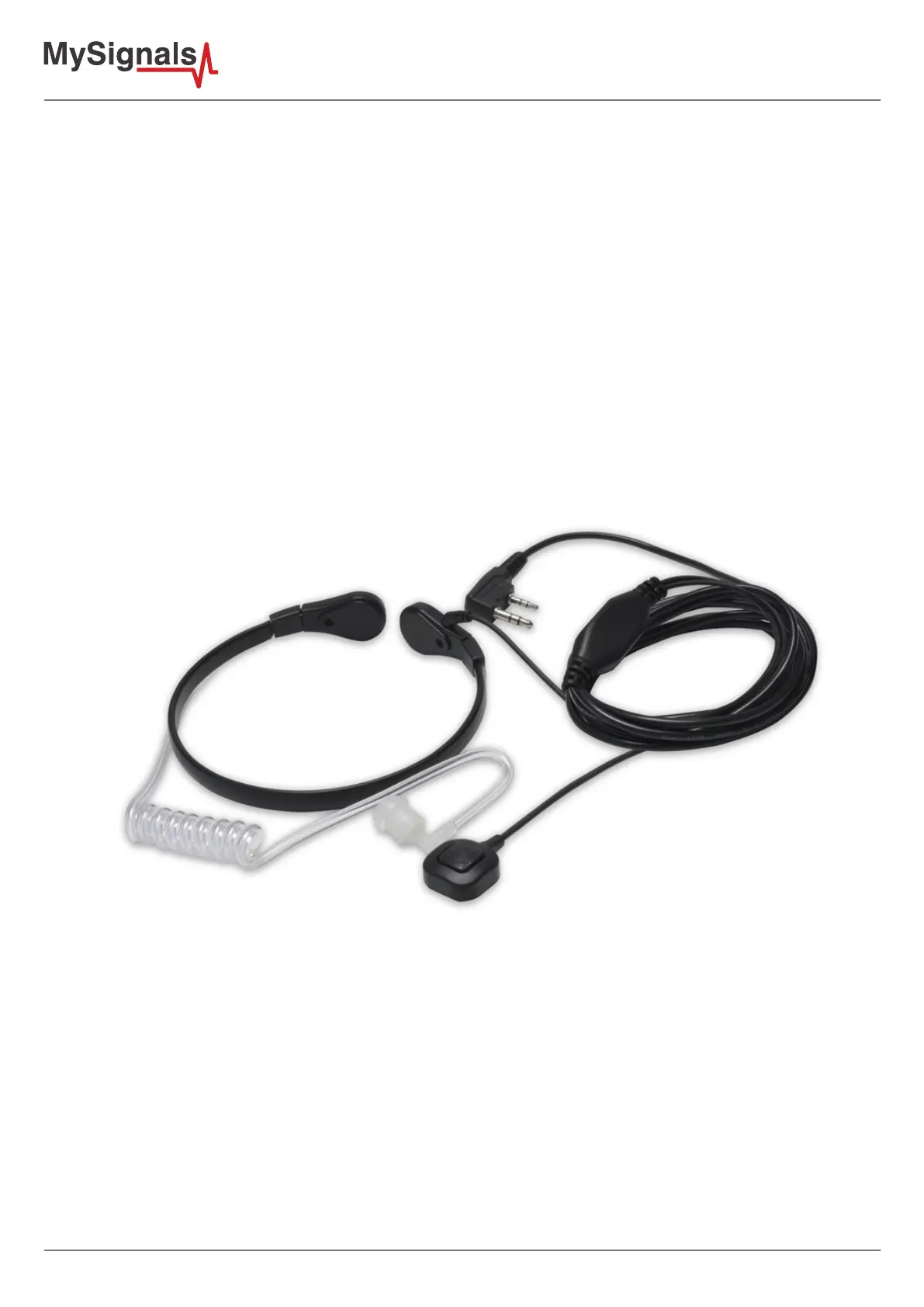
Description: This sensor attaches to the neck and records vibration. The sensor converts snoring, and other
sounds in the audio range picked up through the skin, to a small analog voltage that provides a clear, reliable
indication of the presence of these sounds.
Figure: Snore Sensor
Sound is absorbed via vibrations from the throat and transferred to the device which is then converted into analog
signal. So, the throat method eliminates most background noise whether in the battle eld or on the job site.
Snore sensor maintains constant contact with the patient's skin throughout movements or sweating so that you
will consistently receive quality signals throughout the night with little to no artifact.


 To Next Page