The Siemens IC60 is a control unit designed for security and fire safety applications, offering a range of functions for arming, disarming, and managing an alarm system. It is part of the Siemens Building Technologies product line and complies with various international and European safety standards, including EC Directive 99/5EC for radio and telecommunications terminal equipment (R&TTE), EMC standards (EN 61000-6-3, EN 55022 CI. B, EN 50130-4 +A1+A2), Safety standards (EN 60950-1), and Radio Spectrum Matters (EN 301489-3, EN 300220-3). Additionally, it meets TBR21 for analog PSTN interfaces and EN50131 grade 2.
Function Description
The IC60 system can be operated in two main ways: through a clear text menu using arrow keys or by programming functions with special programming codes. It supports two program mode levels: CLIENT mode and INSTALLER mode. The CLIENT mode typically allows users to add, delete, or change user codes, while the INSTALLER mode provides broader configuration capabilities.
Key functions include:
- Arming and Disarming: The system can be armed in "Full Set Mode" (all detectors active) or "Stay Mode" (internal movements ignored, suitable when people are present). Quick arming is also available. Disarming involves entering a PIN code.
- Partition Arming: The protected area can be divided into two separate partitions (A or B), allowing for selective arming, useful for different areas like offices/warehouses or living rooms/bedrooms.
- Zone Bypass: Individual zones can be temporarily bypassed before arming, useful for faulty zones or areas where protection is not needed. Disarming automatically disables all zone bypasses.
- Alarm Silencing and Resetting: An active alarm (signal horn) can be silenced and reset by entering the PIN code. This stops audible sirens and outgoing signals.
- Emergency Alerts: Dedicated keys allow for the initiation of panic, fire, and medical alarms by simultaneously pressing specific button combinations. These functions are typically programmed by the installer to suit individual needs.
- Threat or Duress: In situations where a user is compelled to disarm the system under threat, a duress digit can be added to the usual PIN code. This disarms the system normally while silently activating the dialer to report a "duress event" without arousing suspicion. This feature, if installed, must be checked by the user after installation.
- Control for Outputs and Devices: The keypad can control external devices such as air-conditioners or heaters. Up to eight different outputs can be controlled via the keypad.
- Messages and Events: The system displays system messages for failures (e.g., battery low, main failure, telephone line failure, radio device battery low, supervise detector failure, zone inactivity time-out, dialer kiss-off failure) and trouble messages (e.g., zone tamper, system tamper, pendant panic, panic, fire, medical, duress code used). These messages can be read from the system memory.
- Time and Date Setting: An internal clock allows for automatic arming/disarming and scheduling of output control. It also timestamps events in the memory.
Important Technical Specifications
The manual does not explicitly list detailed technical specifications such like power consumption, operating temperature, or dimensions. However, it highlights compliance with:
- EC Directive 99/5EC R&TTE: Ensuring the product meets radio and telecommunications terminal equipment requirements.
- EMC Standards: EN 61000-6-3, EN 55022 CI. B (Generic emission), EN 50130-4 +A1+A2 (Interference resistance).
- Safety Standards: EN 60950-1.
- Radio Spectrum Matters: EN 301489-3, EN 300220-3.
- Analog PSTN Interface: TBR21.
- Security Grade: EN50131 grade 2.
Usage Features
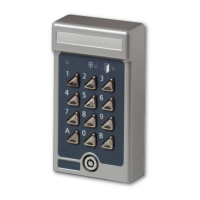
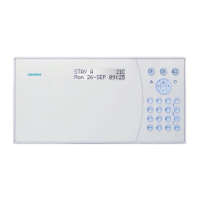
The IC60 features a user-friendly operating panel with an LCD display and a keypad.
- Keypad Layout: The keypad includes numeric keys (0-9 with characters A-Z), dedicated function keys (, , , , , ), and arrow keys for menu navigation (, , , ).
- Indicators: LEDs indicate system status ( for red trouble indication, for green system OK/ARM indication), arming modes (Stay arming mode activated, Full arming mode activated), and zone bypass status.
- Backlight Control: Users can adjust the brightness of both the LCD backlight and the keypad button backlight.
- Buzzer Frequency: The frequency of the keypad buzzer can be adjusted.
- Chime Function: A chime (day zone) feature allows certain detectors to trigger a buzzer or light, for example, to signal a visitor.
- Remote Control (IRC60): The system supports up to 16 remote controls, each with 5 programmable channels. The IRC60 remote is waterproof and can be used in bathrooms. It transmits battery power status, and a low battery is indicated on the control unit display. The working distance varies between 20-200m, depending on the environment (solid walls or steel/concrete may reduce the distance). Remote control functions include arming (on), stay arming, an additional function button (e.g., for lights, garage doors), disarming (off), and a PANIC/SOS function activated by pressing two buttons simultaneously for 2 seconds.
Maintenance Features
- Code Management: Users can change, add, or delete user codes in CLIENT mode. It is recommended to use a multi-digit code.
- System Messages: The system provides clear messages for various failures, aiding in troubleshooting and indicating when service is required.
- Event Log: The system memory stores a log of the latest events, including the type of event, date, and time, which can be reviewed via the keypad.
- Installer Access: The INSTALLER mode allows for comprehensive system configuration and maintenance, typically performed by a professional installer.
- Remote Control Battery Status: The remote control transmits its battery power status, alerting users when the battery is low.
- Lost Remote Control Procedure: In case of a lost or stolen remote control, the respective user must be immediately removed from the system by an installer to maintain security.

 Need help?
 General


 To Next Page

