4.CALIBRATION
20
4. CALIBRATION
"Calibration" refers to an operation whereby matching between the TD-240A and a
strain gauge sensor is obtained. The TD-240A uses the two calibration methods as
described below.
◇ Equivalent Input Calibration
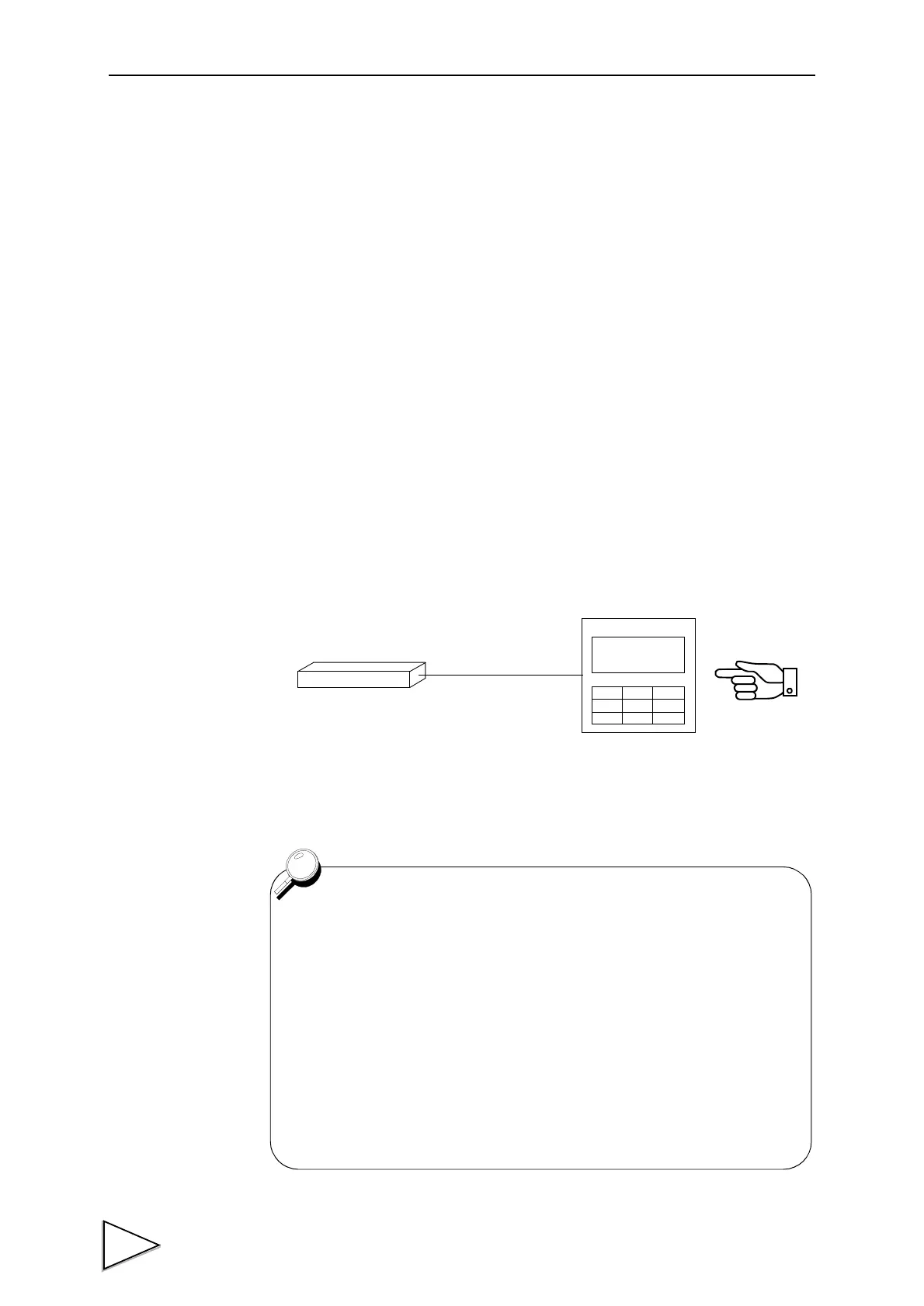
This approach uses no actual loads but key entry of the rated output value of the strain
gauge sensor (mV/V) and the rating value (value to be displayed).
This method is simple and employed when actual loads cannot be applied.
For example
Gain will be automatically decided by registering the values indicated as follows:
for load: 2.001mV/V - 100.0kgf
for pressure: 2.002mV/V - 10.00kgf/cm2, and
for torque: 2.502mV/V - 15.00kgf•m.
TD-240A
Strain gauge sensor
Rated output value (mV/V)
+
Indicated value
A data sheet will be attached to a strain gauge sensor you buy.
On the data seat, the following values are listed.
Capacity ................................... Load (unit: Kg, t, etc.)
Rated Output............................ Voltage (unit: mV/V)
Non-Linearity, Hysterisis,
Input Resistance,Output Resistance,
Zero Balance, etc.
The Capacity and the Rated Output are necessary values for the
equivalent input calibration. Input these two values to TD-240A.


 To Next Page