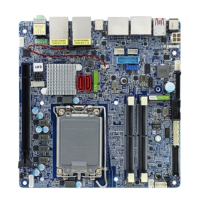
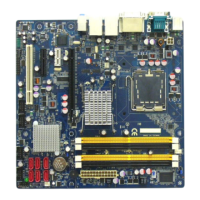
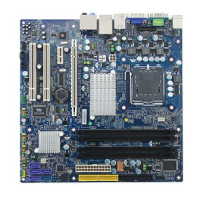
The MX610HD is a Mini-ITX motherboard designed to support Intel® H610E chipsets and 12th generation Intel® Core™ i9, Core i7, Core i5, Core i3, Pentium, and Celeron processors. This manual provides comprehensive information on its features, installation, and BIOS setup.
Function Description
The MX610HD motherboard serves as the central component for a compact computing system, offering a robust platform for various Intel processors. It integrates essential functionalities for a modern PC, including CPU support, memory management, expansion slots, and a range of internal and external connectors. The board is designed for Mini-ITX form factor, making it suitable for small form factor PCs and embedded systems. It supports advanced features like DDR5 memory, PCIe Gen4, and multiple display outputs, catering to diverse application needs.
Important Technical Specifications
Usage Features
The MX610HD offers several features to enhance usability and flexibility:
- Easy Installation: The manual provides clear, step-by-step instructions for installing the CPU, CPU heatsink and fan, SODIMM memory modules, expansion cards, and M.2 connectors. It emphasizes proper handling to prevent damage to components.
- Jumpers for Configuration: Various jumpers allow for hardware configuration, including:
- Clear CMOS (CLCMOS1): Resets the CMOS memory to default settings, useful for troubleshooting system boot failures.
- AT/ATX Power Mode Select (JPSON1): Selects between AT and ATX power modes.
- COM Power Setting (JCOMPWR1~3): Configures power settings for COM ports (Ring, +12V, +5V).
- LVDS Backlight Voltage Selection (JBLKVOL): Selects 3V or 5V for LVDS backlight.
- LVDS Brightness Control Mode Selection (JLVDS_BKL1): Selects control mode for LVDS backlight (PWM or DC mode).
- eDP Voltage Selection (EDPPWR1): Selects 3V or 5V for eDP.
- Comprehensive BIOS Setup: The BIOS setup utility allows users to configure system settings, including:
- Main: Displays basic system information like BIOS version, build date, memory information, and system date/time.
- Advanced: Configures CPU, power management, PCH-FW, trusted computing, ACPI settings, Super I/O, hardware monitor, S5 RTC wake settings, serial port console redirection, Intel TXT information, USB configuration, network stack, IP configuration, NVMe configuration, and remote server configuration.
- Chipset: Configures system agent (SA) and PCH-IO settings, including memory configuration, graphics configuration, PCI Express, SATA, USB, HD audio, and serial I/O.
- Security: Sets administrator and user passwords to protect BIOS settings.
- Boot: Configures boot order, bootup NumLock state, quiet boot, and UEFI settings.
- Save & Exit: Saves changes, discards changes, restores defaults, and launches EFI Shell.
- Multiple Display Outputs: With HDMI and DisplayPort connectors, the motherboard supports multiple display configurations, suitable for various professional and personal uses.
- High-Speed Connectivity: Features 2.5 Gigabit Ethernet (LAN2) and USB 3.2 Gen 1 ports for fast data transfer and network performance.
- DDR5 Memory Support: Supports up to 64GB of DDR5 4800MHz memory, providing high bandwidth and improved performance for demanding applications.
Maintenance Features
The manual highlights several aspects related to the maintenance and care of the device:
- Safety Information: Emphasizes electrical safety and operation safety. Users are advised to disconnect power before handling components, use a grounded wrist strap, and avoid static electricity. It also warns against using damaged components and recommends professional assistance for repairs.
- Environmental Responsibility: Includes a symbol of a crossed-out wheeled bin, indicating that the product (electrical and electronic equipment) should not be placed in municipal waste. Users are encouraged to check local regulations for proper disposal.
- Troubleshooting Guidance: The BIOS setup section provides detailed descriptions of various settings, which can be useful for diagnosing and resolving system issues. For example, the Clear CMOS jumper is a direct maintenance feature for resolving boot problems.
- Professional Assistance: For complex issues or if the product is damaged, users are advised to contact their dealer immediately or seek qualified service technician/retailer.
- Warranty Information: Notes that the product warranty does not cover damage to socket pins resulting from incorrect CPU installation/removal, or misplacement/loss/incorrect removal of the PnP cap. This implies that proper installation and handling are crucial for maintaining warranty coverage.
- Firmware Updates: The BIOS setup includes options for updating the firmware (AMIFWUpdate), which is a key maintenance task for improving system stability and compatibility.
- Fan Control: The hardware monitor in the BIOS allows for smart fan control, enabling users to monitor and adjust fan speeds to optimize cooling and reduce noise, contributing to the longevity of the system.
- System Monitoring: The H/W Status Monitor feature allows users to monitor CPU and system temperatures, as well as voltages, which are critical for preventing overheating and ensuring stable operation.

 Need help?
 General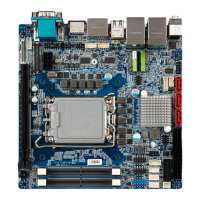

 To Next Page