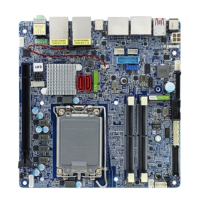
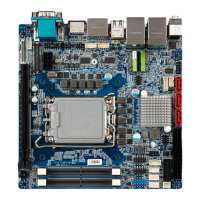
1.4 System Memory
1.4.1 Overview
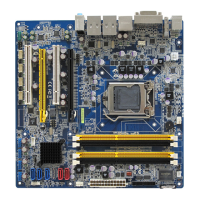
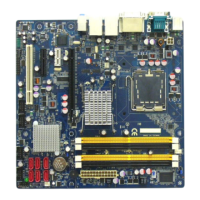
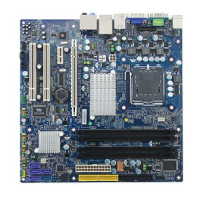
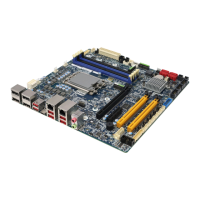
The motherboard comes with four 288-pin Double Data Rate 4 (DDR4) Dual Inline Memory
Modules (DIMM) sockets.
DDR4 SDRAM, an abbreviation for double data rate fourth generation synchronous dynamic
random-access memory, is a type of synchronous dynamic random-access memory (SDRAM)
with a high bandwidth ("double data rate") interface. The primary advantages of DDR4 over
its predecessor, DDR3, include higher module density and lower voltage requirements,
coupled with higher data rate transfer speeds. DDR4 memory comes in 288-pin DIMM
modules, similar in size to 240-pin DDR3 DIMMs. The pins are spaced more closely
(0.85 mm instead of 1.0) to fit the increased amount within the same 5¼ inch (133.35 mm)
standard DIMM length but, the height is increased slightly (31.25 mm/1.23 in instead of
30.35 mm/1.2 in) to make signal routing easier, and the thickness is also increased (to
1.2 mm from 1.0) to accommodate more signal layers.DDR4 DIMM modules have a slightly
curved edge connector so not all of the pins are engaged at a time during module insertion,
lowering the insertion force.


 To Next Page