V 1.31
2021. 05 16 / 171 Doc. # : BN-OP-C7
1) Product Overview
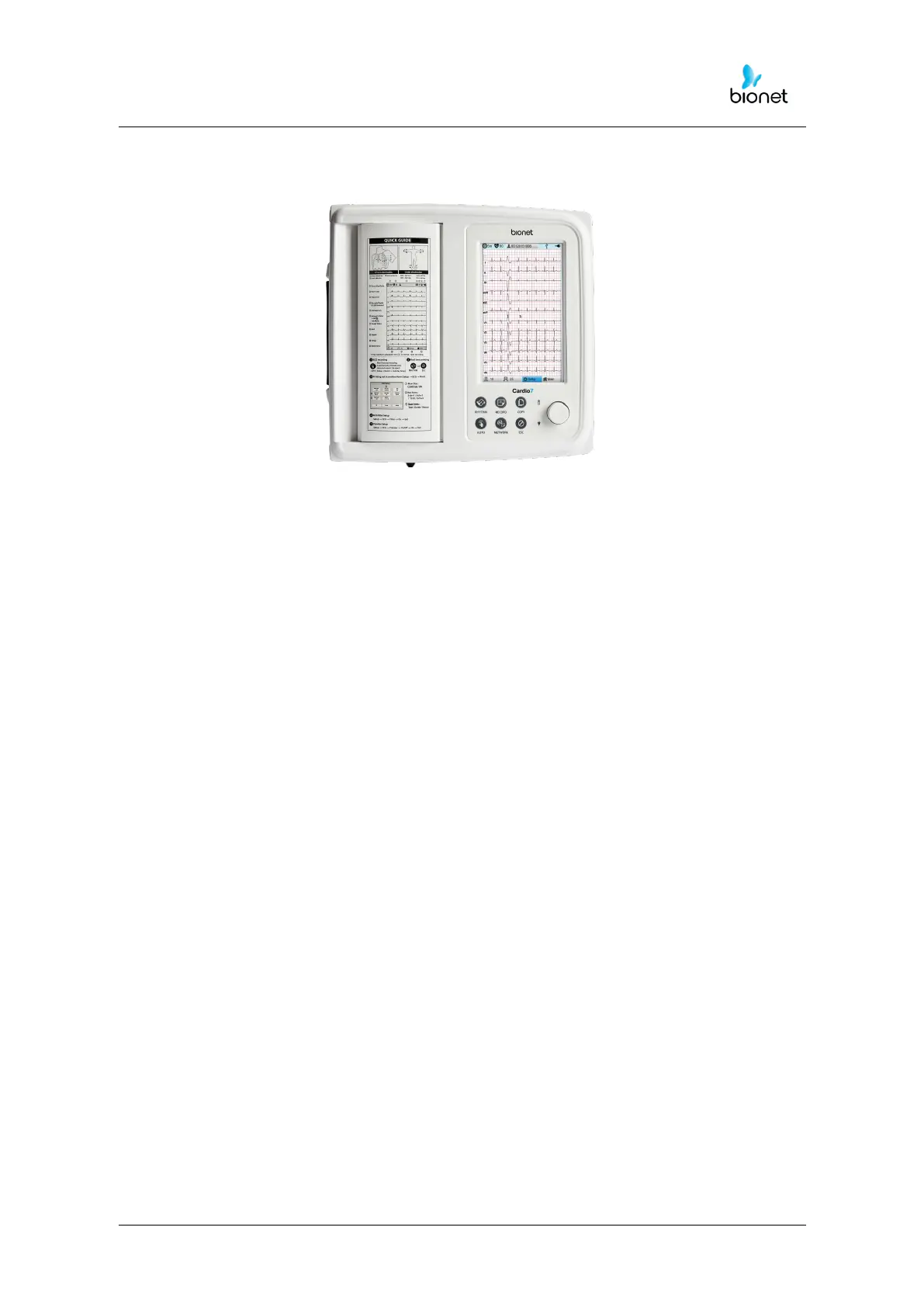
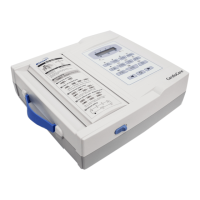
Cardio7e/Cardio7 is an electrocardiogram (ECG) device capable of measuring and
recording 12 channels of cardiac signals of patients. The device enables operators to
record cardiac signals, review them using various viewing modes, and perform automatic
detection of cardiac conditions.
In addition, the device allows operators to enter patient information for it to be printed
alongside cardiac signals, so that operators can sort and manage charts conveniently. It is
also possible to manage the digital files by transferring the stored data to a networked PC.
Furthermore, user convenience has been further enhanced by addition of a functionality
that can initiate ECG recording & saving, filter enhancing, parameter sorting and
automatically detecting cardiac signal all at once by pressing one key.
A battery (optional) can be added to the device so that the device can be operated
conveniently during bedside visits or emergency conditions.
2) Indication for use
The Cardio7e/Cardio7 ECG Analysis System is intended to acquire, analyze, display and
record electrocardiographic information from adult and pediatric populations.
Basic systems deliver 12 lead ECG’s, interpretive analysis, vector loops, and can be
upgraded to provide software analysis options such as high-resolution signal averaging of
QRS and P wave portions of the electrocardiogram. Transmission and reception of ECG
data to and from a central ECG cardiovascular information system is optional.
The Cardio7e/Cardio7 is intended to be used under the direct supervision of a licensed
healthcare practitioner, by trained operators in a hospital or medical professional’s facility.
Indications
The ECG has proven to be among the most useful diagnostic tests in clinical medicine. The
ECG is now routine in the evaluation of patients with implanted defibrillators and
pacemakers, as well as to detect myocardial injury, ischemia, and the presence of prior
infarction as well. In addition to its usefulness in ischemic coronary disease, the ECG, in
conjunction with ambulatory ECG monitoring, is of particular use in the diagnosis of
disorders of the cardiac rhythm and the evaluation of syncope.



 To Next Page