Safety and User Information Multi-DENCO
20 FläktGroup DC-2013-0101-GB • Subject to modifications • R5-08/2020
2.6.5 Systems containing glycol
General features of glycols:
– Usually mixed with water.
– Can reduce the freezing temperature point of the mixture.
– Reduces cooling capacity when compared to water-only systems.
Further information can be found in chapter 6 and chapter 8 of this manual.
2.7 Proper use
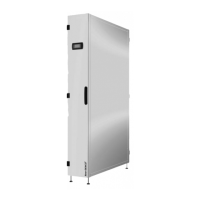
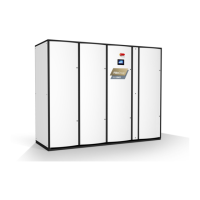
The Multi-DENCO series are designed as indoor units and for connection to a heat
rejection system. They are designed for cooling, heating, humidification, dehumidifica-
tion and filtering of air at atmospheric pressure.
Proper use also requires:
– Fulfilling the requirements of any operation manual
– Fulfilling the requirements of any controls manual
– Regular inspection and maintenance
Improper use Any other use is considered improper. The manufacturer/supplier is not liable for dam-
age arising from improper use. The user alone bears any risk or cost that can be
attributed to 'improper use'.
It is not allowed to operate units:
– in explosion risk areas
– in areas with strong electromagnetic fields
– in environment with high levels of air contamination
– (unless otherwise stated) in environments with corrosive and/or aggressive air (e.g.
areas near large volumes of salt water)
2.8 Modifications and changes
Any modification or change to Multi-DENCO units, after dispatch, that is not covered
by this manual, are subject to approval by FläktGroup. Non-compliance with these
requirements could invalidate the CE Conformity or void the warranty.
2.9 Spare parts
Only original spare parts from FläktGroup are allowed. Use of third party spare parts
are not allowed and are at the user's own risks. If in any doubt as to the spare part
required, please contact your local sales representative who will be able to assist.
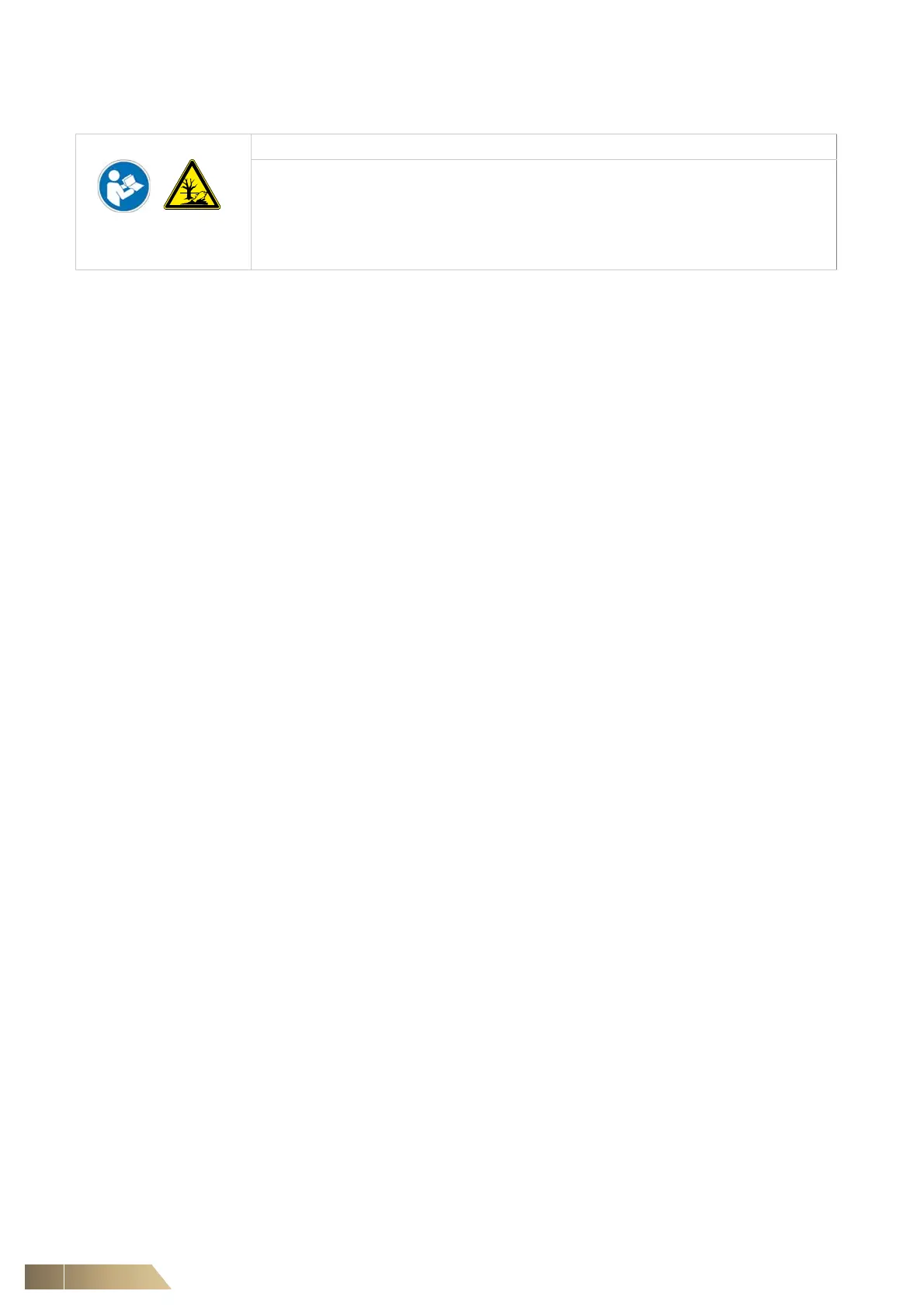
NOTICE
Properties of different glycols can vary significantly between types and different manu-
facturers
• Always refer to manufacturer’s information for usage guidelines
• Always handle and dispose in accordance with local codes, practices and
environmental regulations.


 To Next Page