34
PROCEDURE 1. CLEAN A BLADE, VIDEO CABLE, OR SMART CABLE
Cleaning is critical to ensuring the component is ready for disinfection. Failure to
properly clean the device could result in a contaminated instrument after completing the
disinfection procedure.
When cleaning, ensure all foreign matter is removed from the surface of the device. This allows the
active ingredients of the chosen disinfection method to reach all the surfaces of the device.
WARNING
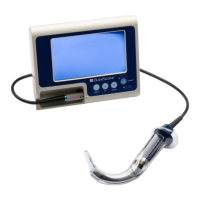
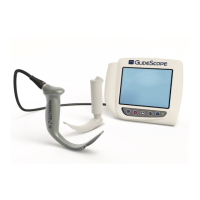
Use this procedure in order to clean the GlideScope Smart Cable, video cable, or reusable Titanium video laryngoscope.
By reducing as many hard-to-access areas as possible, all of the reusable GlideScope Titanium blades have been designed
to be easy to clean. It is critical to remove all traces of contamination from the component prior to completing disinfection
or sterilization procedures.
To significantly reduce the amount of effort needed to clean the system, do not let contaminant(s) dry on any
system component. Bodily contaminants tend to become securely attached to solid surfaces when dried, making
removal more difficult.
The reusable GlideScope Titanium blades and reusable system video cable are IPX8 compliant and can be
completely immersed in the recommended cleaning solutions. The GlideScope Smart Cable is IPX7 compliant and
may also be completely immersed in the solutions.
Do not use metal or abrasive brushes, scrub pads, or rigid tools when cleaning the reusable video
laryngoscope. The window that protects the camera and light can be scratched, permanently damaging
the device.
This product is heat-sensitive, and exposing the components to temperatures in excess of 60°C (140°F) will
cause damage to the electronics.
IMPORTANT


 To Next Page