3 Introduction
14
3.4 Probe method of functioning - CO/H
2
-sensitive electrode
Flammable constituents are, like oxygen molecules, adsorbed on the electrode and
diffuse to the “three-phase limit” formed by measuring gas, the electrode and
zirconium dioxide. In addition to the Nernst voltage U
O2
determined on the basis of the
oxygen content, the flammable constituents in the measuring gas also generate an
additional direct voltage U
CO/H2
through the sensor. The sensor voltage is the sum total
of the two voltages U
S
= U
O2
+ U
CO/H2
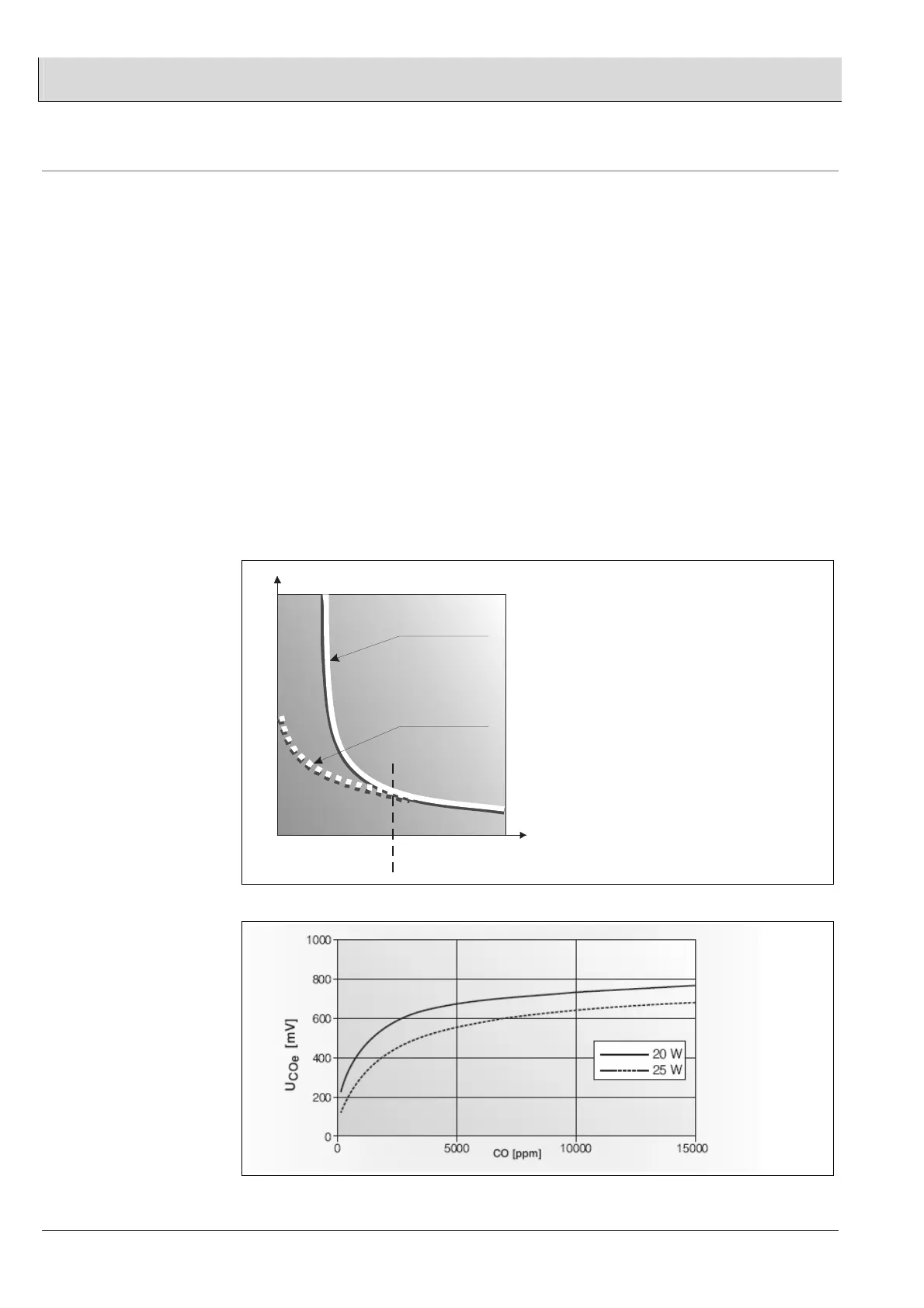
(Fig. 1). Even at low concentrations of oxidising
gases, such as H
2
or CO, the mixed potential is considerably higher than the O
2
signal. The formation of the mixed potential takes place very rapidly, t
60
times under 2s
are achieved.
Sensitivity to O
2
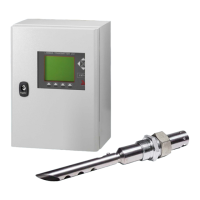
and flammable constituents is influenced by the sensor temperature.
A lower sensor temperature results in greater sensitivity to CO/H
2
and lower sensitivity
to O
2
(Fig. 2).
Likewise, the oxygen concentration has an influence on the sensor voltage U
COe
. As
the O
2
content increases, the sensor voltage drops off slightly in the high CO range
(Fig. 3).
However, the KS1-DK combination probe must never be operated when too cold, as
otherwise the oxidising constituents will influence the O
2
measurement (falsification of
measurement values produces lower values due to the oxidation of unburned flue gas
constituents on the O
2
electrode).
U
s
(mV)
CO
Sensor characteristics
(measured)
Nernst characteristic
(calculated)
O (%)
2
incomplete
combustion
complete
combustion
Fig. 1: Characteristic of a gas burner
Fig. 2: Sensor voltage U
COe
as a function of sensor temperature (heating power)


 To Next Page