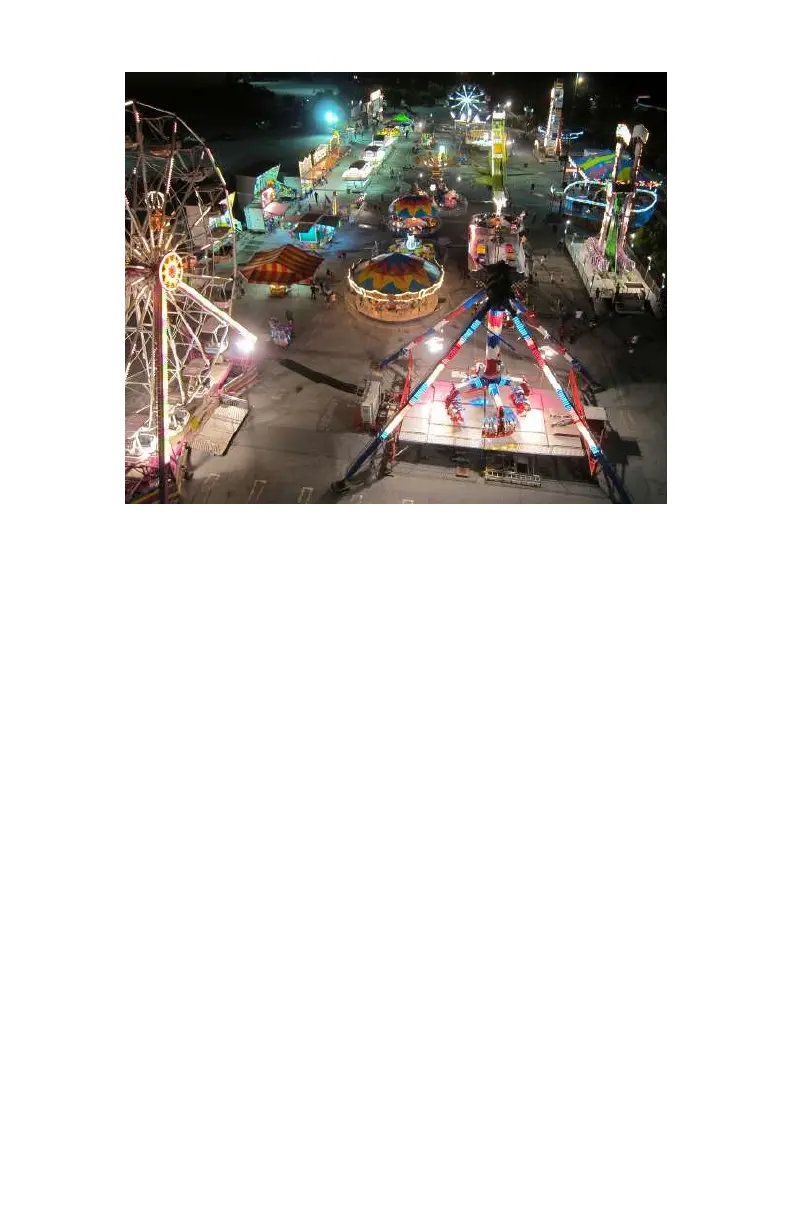
Figure 11-2. Firemen’s Carnival, Baltimore, MD, taken with
Canon S95.
Mapping and Surveying
Drones are proving to be an
ecient tool that is revolutionizing
the field of geographic information systems (GIS). The drone’s
payload can collect a range of data using cameras and sensors.
These devices, used along with geo-referenced ground markers,
produce highly accurate maps with a resolution up to five centi-
meters per pixel.
Two main types of software are involved in UAV mapping. The
first type is for mission planning, and the second is for data pro-
cessing. The UAV flies in a lawnmower pattern autonomously
(see Figure 11-3). Several mission planning applications are
available including free, open source apps. The mission is uploa-
ded to the UAV in its entirety. While flying the mission, the pay-
load points straight down and captures data at regular intervals,
creating overlapping images of the area—at least 60% front to
back and 40% side to side. Once the data is collected, it is pro-
cessed by removing distortion and stitching images to create an
ortho rectified mosaic. As with the navigation software, there is
Real-World Applications 173



 To Next Page