PAGE 16 — GENERATOR SERVICE AND TROUBLESHOOTING MANUAL — REV. #0 (08/29/23)
WHAT IS HEAT RISE?
The insulation classication of the alternator’s insulation
system is based on its thermal endurance when operating
at a specic rating.
The alternator windings, rotor components along with the
structural parts and the insulating material all makeup the
generators insulation system. The insulation classication
is a specic rating of the systems’ ability to dissipate
heat generated as current is passed through the copper
wires (windings) and the ability of the insulating material
to withstand the overall temperatures reached without
damage.
The insulating material temperature tolerance have been
categorized into four classes and each class of insulation
has been assigned a maximum allowable total temperature
by various standard writing associations.
The standard adhered to by most manufactures in the
United States is the National Electrical Manufactures
Association (NEMA). NEMA standard MG-1, Part 32,
Table 32-3 list four insulation classications and they
are A, B, F and H for continuous duty and standby rated
alternators.
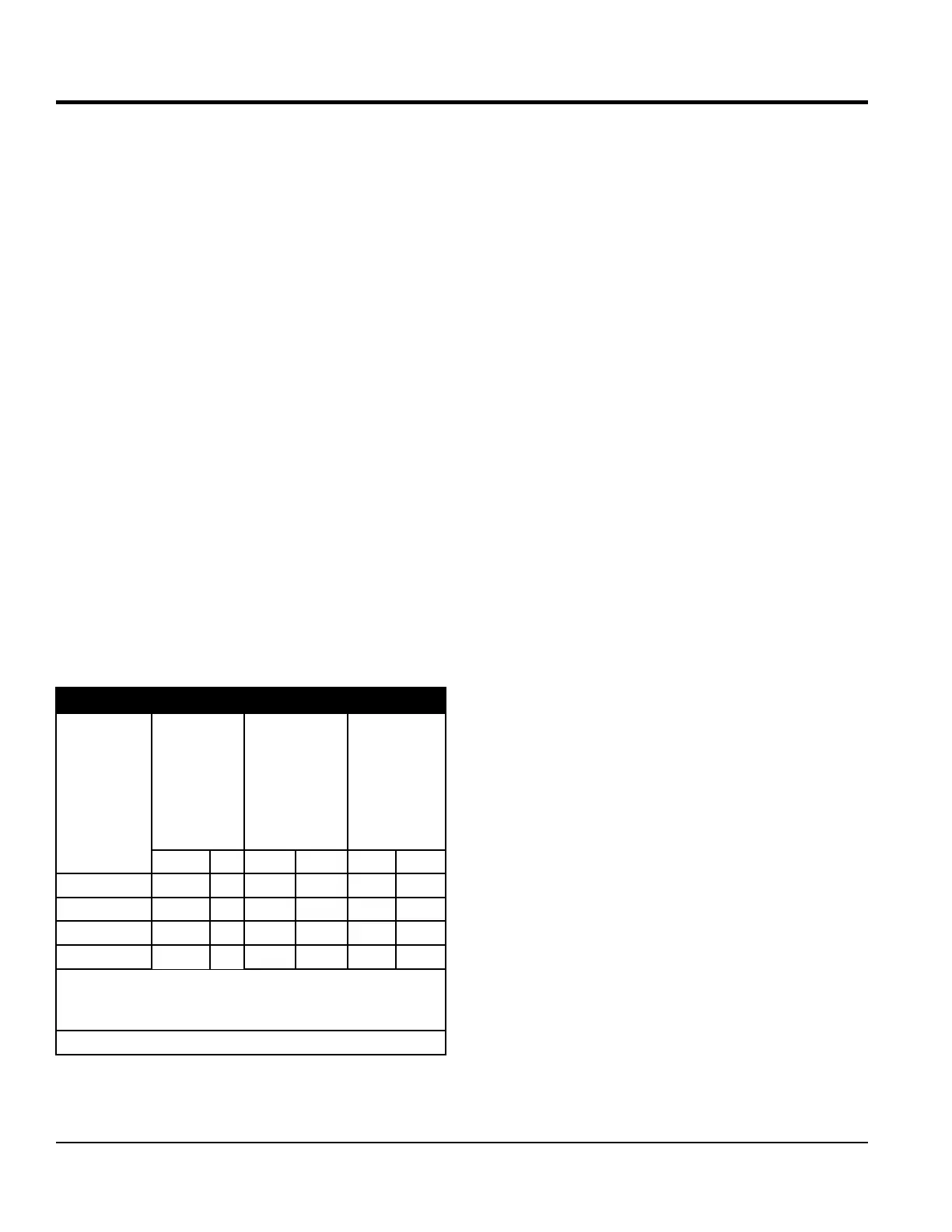
Reference Table 1 below for the four insulation classication
system temperatures.
Table 1. NEMA Insulation Class/Heat Rise
Temperature
Tolerance
Class
Maximum
Operation
Temperature
Allowed
Allowable
Temperature
Rise at Full
Load 1.0
Service Factor
Motor
1
Allowable
Temperature
Rise 1.0
Service
Factor Motor
1
ºC ºF ºC ºF ºC ºF
A 105 221 60 140 70 158
B 130 266 80 176 90 194
F 155 311 105 221 115 239
H 180 356 125 257 - -
1
Allowable temperature rises are based upon a reference ambient temperature of
40° C (104° F).
Operation temperature is reference temperature plus allowable temperature rise
plus allowance for hot spot winding.
2
Celsius to Fahrenheit conversion formula: Temp °F = Temp °C (9/5) +32
HEAT RISE
The temperature rise is the increase in winding temperature
above ambient due to the ow of current in the windings
and any internal losses that may occur in the machine
during operation.
Alternators are designed to a specic maximum value of
temperature rise under operating conditions that do not
exceed the nameplate rated temperature value.
Total temperature of an alternator in operation is the sum
of two temperatures; ambient plus the temperature rise.
Ambient temperature is the temperature of the air entering
the alternator.
Continuous duty is dened at constant full load during 24/7
operations whereas, standby ratings are higher than prime
and continuous because they are designed to be used as
back-up emergency power and their operation is generally
no more than 4-12 hours.
Generally stand-by rating is 25°C above those for
continuous operation. Operation at these stand-by
temperature values cause the alternator insulation to age
thermally at about four to eight times the rate that occurs
at the continuous duty temperature rise values. Operating
1 hour at stand-by temperature rise value is approximately
equivalent to operating 4 to 8 hours at continuous-duty
values.
Note, temperature rise values are based on the rated
voltage of the alternator. Example if the rated voltage is
240 VAC and the unit is operated at 208V the alternator
would have to be slightly derated because of the max
current ow at 208 VAC.
Please note when operating a unit at the standby
temperature rise values an overload could exceed the
thermal damage value of alternator in a shorter time span.
Altitude has a direct impact on temperature rise. The
temperature rise value is based on operating at an altitude
up to 3,300 ft. (1000 meters) . Operating a unit above the
base altitude requires a temperature reduction of 1°C for
every 330 ft.(100 meters) of above the base value.
Environmental concerns must also be taken into
consideration such as humidity, condensation due to long
term storage or fungus growth which normally occur in
tropical areas.





 To Next Page