10. Troubleshooting
10.1. Troubleshooting procedures
Valmet TS requires no scheduled maintenance. This
chapter contains instructions for possible fault situ-
ations. The device has self-diagnostics that monitors
certain internal measurements and gives an error
message if any of these is outside the allowed range.
Self-diagnostics is able to detect clear faults that are
usually caused by the sensor electronics.
Incorrect measurement results may also be caused
by antenna leaks, contamination, defective antenna
cables, or some process variable that is disturbing the
measurement. These problems may not always be
detected by the self-diagnostics system.
Sometimes the current output signal from the TCU
is incorrect. The actual measurement may work cor-
rectly but the signal sent to the mill system is wrong.
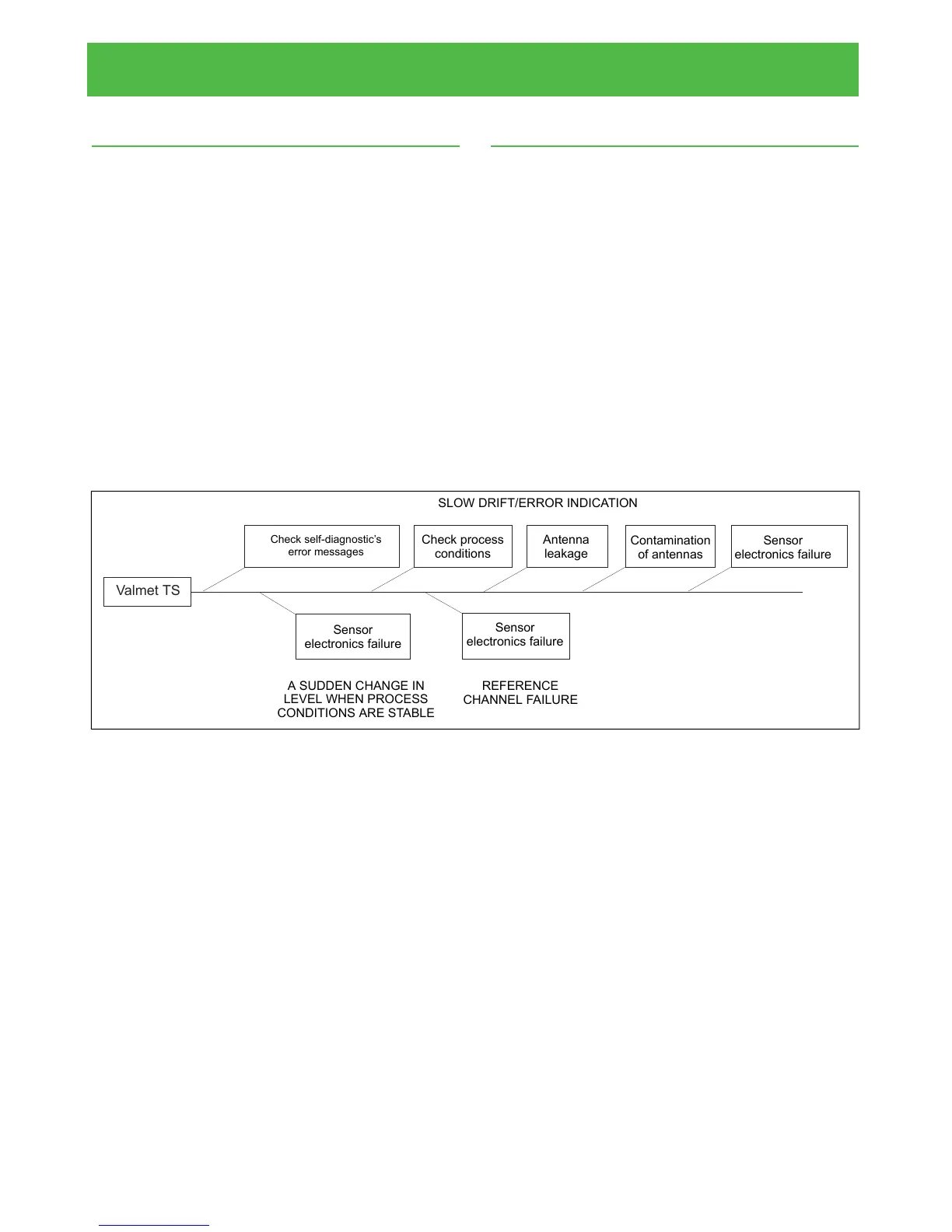
Fig. 1 shows a troubleshooting diagram for different
problem situations.
10.2. Effect of process conditions on measurement
• Air
If the measured sludge contains air, this shows up in
the measurement as a too high total solids content
value. The air may be present in bubbles of different
sizes. Small air bubbles dissolve in water at an approx-
imately 1.5 bar (22 psi) pressure, but large bubbles
may cause problems even at higher pressures. At worst
the error may be up to several % points of total solids.
Air is also a disturbing factor in the process, therefore
the formation of air bubbles should be prevented.


 To Next Page