10 Instructions for use
Oil separator vessel
1. The vessel can contain pressurized air. This can be potentially dangerous if the equipment is
misused.
2. This vessel must only be used as a compressed air/oil separator tank and must be operated
within the limits specified on the data plate.
3. No alterations must be made to this vessel by welding, drilling or other mechanical methods
without the written permission of the manufacturer.
4. The pressure and temperature of this vessel must be clearly indicated.
5. The safety valve must correspond with pressure surges of 1.1 times the maximum allowable
operating pressure. It should guarantee that the pressure will not permanently exceed the
maximum allowable operating pressure of the vessel.
6. Use only oil as specified by the manufacturer.
7. In case of misuse of the units (frequent operation with an oil temperature that is too low or a
long interval of shut down), a certain amount of condensate can gather in the oil separator
vessel which must be properly drained. To do so, disconnect the unit from the power line, wait
till it is cooled down and depressurized and drain the water by the oil drain valve, positioned at
the bottom side of the oil separator vessel.
Local legislation may require an periodic inspection.
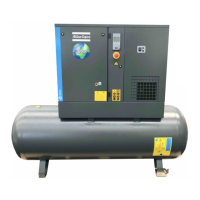
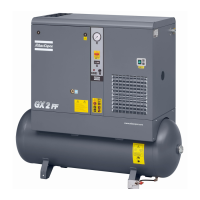
Air receiver (on tank-mounted units)
1. Corrosion must be prevented: depending on the conditions of use, condensate may
accumulate inside the tank and must be drained every day. This may be done manually by
opening the drain valve, or by means of the automatic drain, if fitted to the tank. Nevertheless, a
weekly check of correct functioning of the automatic valve is needed. This has to be done by
opening the manual drain valve and checking for condensate. Verify that no rust obstructions
affect the drain system.
2. Yearly service inspection of the air receiver is needed, as internal corrosion can reduce
the steel wall thickness with the consequent risk of bursting. Local rules need to be
respected, if applicable. The use of the air receiver is forbidden once the wall thickness reaches
the minimum value as indicated in the service manual of the air receiver (part of the
documentation delivered with the unit).
3. Lifetime of the air receiver mainly depends on the working environment. Installing the
compressor in a dirty and corrosive environment is not allowed, as this can reduce the vessel
lifetime dramatically.
4. Do not anchor the vessel or attached components directly to the ground or fixed structures. Fit
the pressure vessel with vibration dampers to avoid possible fatigue failure caused by vibration
of the vessel during use.
5. Use the vessel within the pressure and temperature limits stated on the nameplate and the
testing report.
6. No alterations must be made to this vessel by welding, drilling or other mechanical methods.
Instruction book
2920 7219 10 83



 To Next Page