Commissioning
EL3773 105Version: 2.5
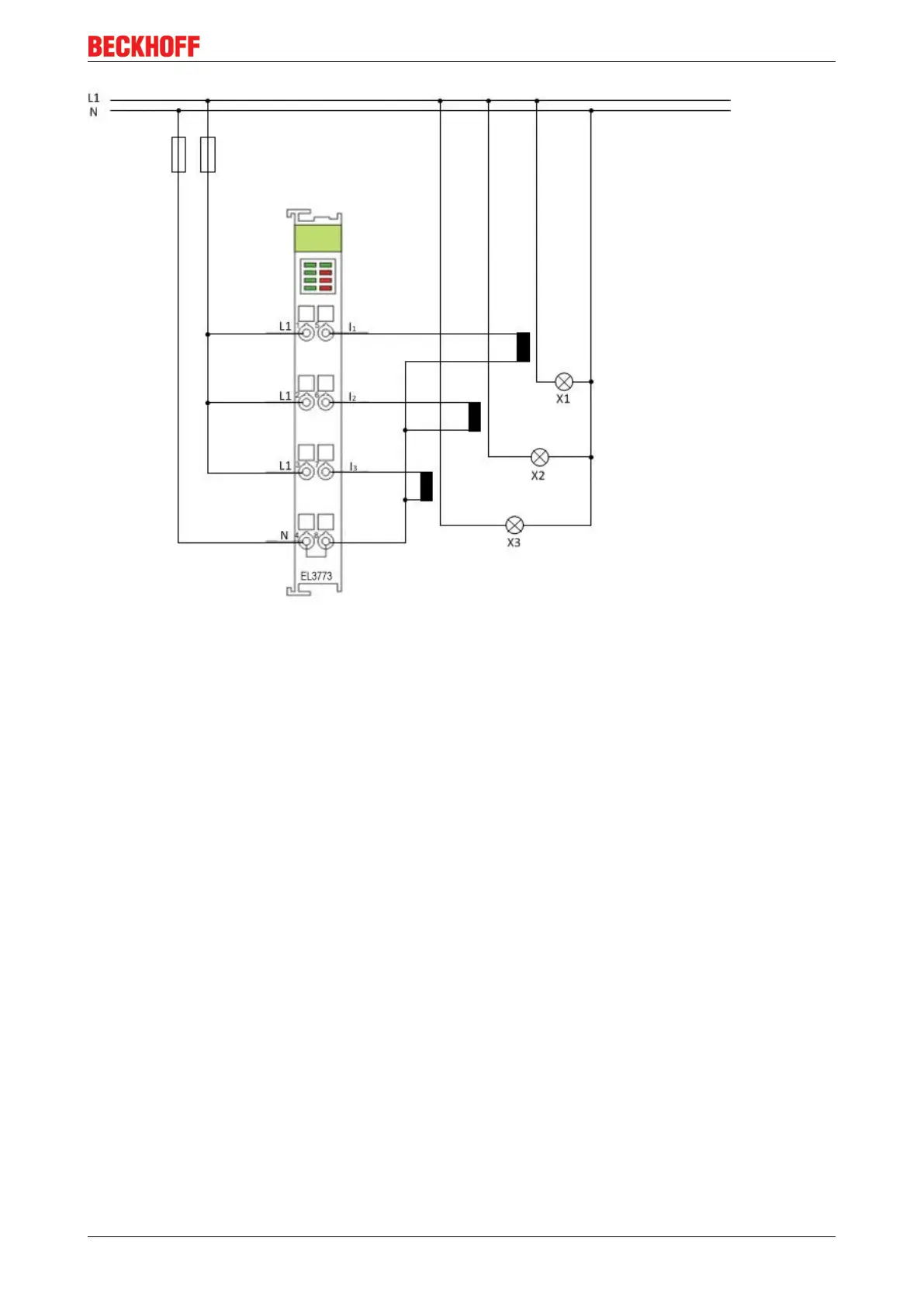
Fig.113: Power measurement at ohmic consumers
6.8 Oversampling terminals and TwinCAT Scope
Generally input data of a terminal could be achieved by the scope either directly (via the activated ADS
server) or by creation of a PLC variable which is linked to the PDO of a terminal for recording them. Both
procedures will be explained for TwinCAT3 (TC3) at first and for TwinCAT2 (TC2) respectively.
Oversampling means that an analog or digital input device supplies not only one measured value for each
process data cycle/EtherCAT cycle (duration T), but several, which are determined at a constant interval
t<T. The ratio T/t is the oversampling factor n.
A channel thus offers not only one PDO for linking in the process data, as in the example here with the
EL3102, but n PDOs as in the case of the EL3702 and other oversampling terminals.
The definition of “oversampling” by the Beckhoff’s point of view shouldn’t be mixed up with the oversampling
process of a deltaSigma ADC:
• deltaSigma ADC: the frequency used by the ADC to sample the analogue signal is faster than a
multiple times than the frequency of the provided digital data (typically in kHz range). This is called
oversampling resulting by the functional principle of this converter type and serve amongst others for
anti-aliasing.
• Beckhoff: the device/ the terminal read of the used ADC (could be a deltaSigma ADC also) digital
sample data n-times more than the PLC/ bus cycle time is set and transfers every sample to the control
– bundled as an oversampling PDO package.
For example these both procedures are arranged sequentially by their technical implementation within the
EL3751 and can also be present simultaneously.




 To Next Page