C-Nav Hardware Reference Guide
18
Active antennas (those with LNA’s or amplifiers) create an electrical field around the
antenna. These radiated emissions can interfere with other nearby antennas. Multiple
GPS antennas in close proximity to each other can create multipath and oscillations
between the antennas. These add to position error or the inability to process the satellite
signals
Use satellite prediction software with a recent satellite almanac to assess the impact on
satellite visibility at your location. An L-Band Communication Satellite Locator tool is
available on C-Nav’s website to aid in determining potential obstructions to C-Nav
Corrections Service Signals: www.cnavgnss.com/calculator
A clear line of sight between the antenna and the local INMARSAT satellite is required to
track C-Nav signals. INMARSAT satellites are geo-synchronized 35,786kms above the
Equator, currently at Longitudes:
142° West, 97.65° West, 15.5° West, 25° East, 109° East, 143.5° East.
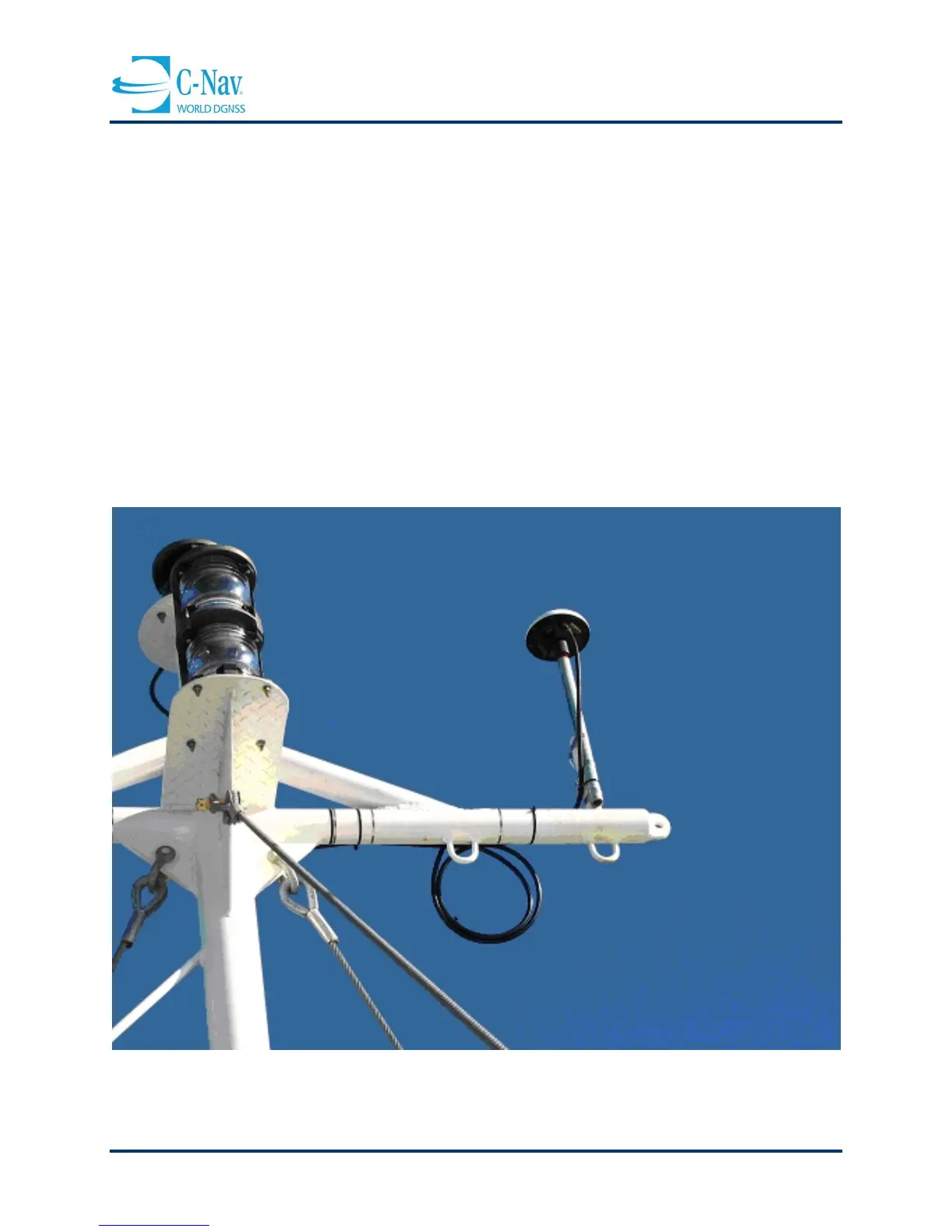
Figure 2-1: C-Nav3050 Antenna Properly Installed on Mast



 To Next Page