C-Nav Hardware Reference Guide
23
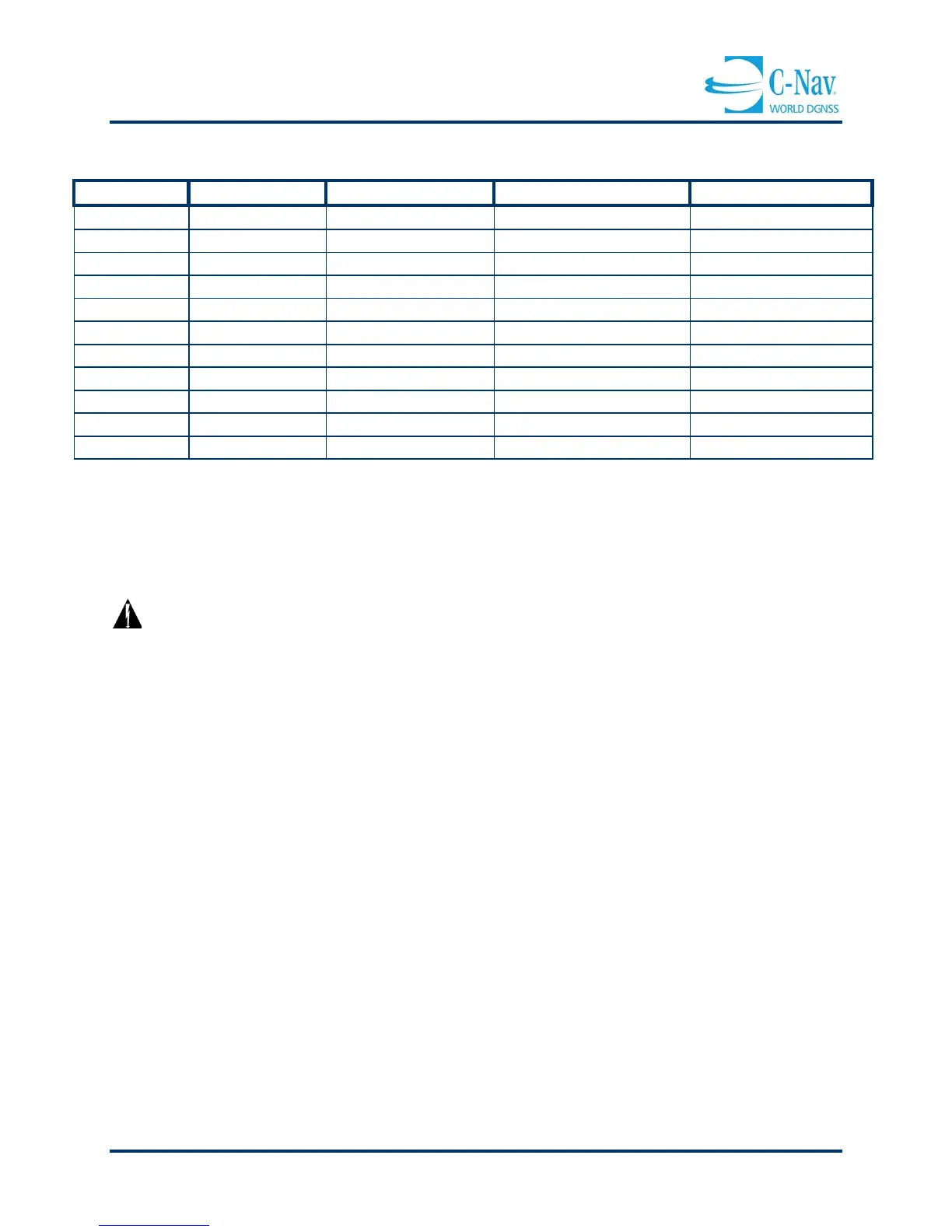
Table 2-1: Acceptable Coaxial Cable Lengths
RG-223 17.226 56.516 40.636' (12.386m) 104.493' (31.850m)
RG-142 16.496 54.121 42.435' (12.934m) 109.117' (33.259m)
RG-214 9.526 31.253 73.483' (22.398m) 188.957' (57.594m)
LMR195 14.904 48.898 46.967' (14.316m) 120.773' (36.812m)
LMR400 5.263 17.267 133.004' (40.540m) 342.010' (104.245m)
LMR600 3.408 11.181 205.399' (62.606m) 528.169' (160.986m)
*Note: 18dB Loss Point applies to the C-Nav1000 System only, all other C-Nav GNSS/GPS Systems should not
experience signal loss greater than 7dB
Lightning Protection
Where the GNSS antenna is exposed to sources of electromagnetic discharge such as
lightning, install a properly grounded in-line electrical surge suppressor between the
GNSS receiver and antenna. Install protective devices in compliance with local
regulatory codes and practices. Protective devices must pass DC power from the
receiver to the antenna. Contact C-Nav Support or refer to Chapter 4 of this guide for
more information on available lightning protection solutions.
GNSS Receiver
GNSS receivers are best installed using the mounting brackets provided. When choosing a
location for GNSS Receiver installation, consider the following:
Avoid placing the receiver in direct sunlight, places with inadequate ventilation, or where
it might be subject to excessive dust.
Ensure the receiver is mounted securely to a flat surface in an area with little vibration.
Shock isolators suitable for 1.8kg (4lbs) may be necessary for environments with high
vibration.
Do not place the receiver in a confined space or where it may be exposed to excessive
heat, moisture, or humidity.
Install the receiver in a location with easy access to both the front and back panels.
Refer to applicable C-Nav Product User Guide for GNSS/GPS Receiver-specific setup
and configuration.



 To Next Page