Redundant Array of Independent Disks (RAID)
For optimal performance when configuring drives as a RAID volume, Dell Technologies recommends drive models that are identical.
RAID 0 (Striped, Performance) volumes benefit from higher performance when drives are matched because the data is split across
multiple drives: any I/O operations with block sizes larger than the stripe size splits the I/O and become constrained by the slowest
of the drives. For RAID 0 I/O operations where block sizes are smaller than the stripe size, whichever drive the I/O operation targets
determine the performance, which increases variability and results in inconsistent latencies. This variability is particularly pronounced
for write operations, and it can be problematic for applications that are latency sensitive. One such example is any application that
performs thousands of random writes per second in small block sizes.
RAID 1 (Mirrored, Data Protection) volumes benefit from higher performance when drives are matched because the data is mirrored
across multiple drives: all I/O operations must be performed identically to both drives, thus variations in drive performance when the
models are different, results in the I/O operations completing only as fast as the slowest drive. While this does not suffer the variable
latency issue in small random I/O operations as with RAID 0 across heterogeneous drives, the impact is nonetheless large because
the higher performing drive becomes limited in all I/O types. One of the worst examples of constrained performance here is when
using unbuffered I/O. To ensure that the writes are fully committed to non-volatile regions of the RAID volume, unbuffered I/O
bypasses cache (for example by using the Force Unit Access bit in the NVMe protocol) and the I/O operation will not complete until
all the drives in the RAID volume have completed the request to commit the data. This kind of I/O operation completely negates any
advantage of a higher performing drive in the volume.
Care must be taken to match not only the drive vendor, capacity, and class, but also the specific model. Drives from the same vendor,
with the same capacity, and even within the same class, can have different performance characteristics for certain types of I/O
operations. Thus, matching by model ensures that the RAID volume is comprised of a homogeneous array of drives that deliver all the
benefits of a RAID volume without incurring the additional penalties when one or more drives in the volume are lower performing.
Alienware m18 R2 supports RAID with more than one hard drive configuration.
Media-card reader
The following table lists the media cards that are supported on your Alienware m18 R2.
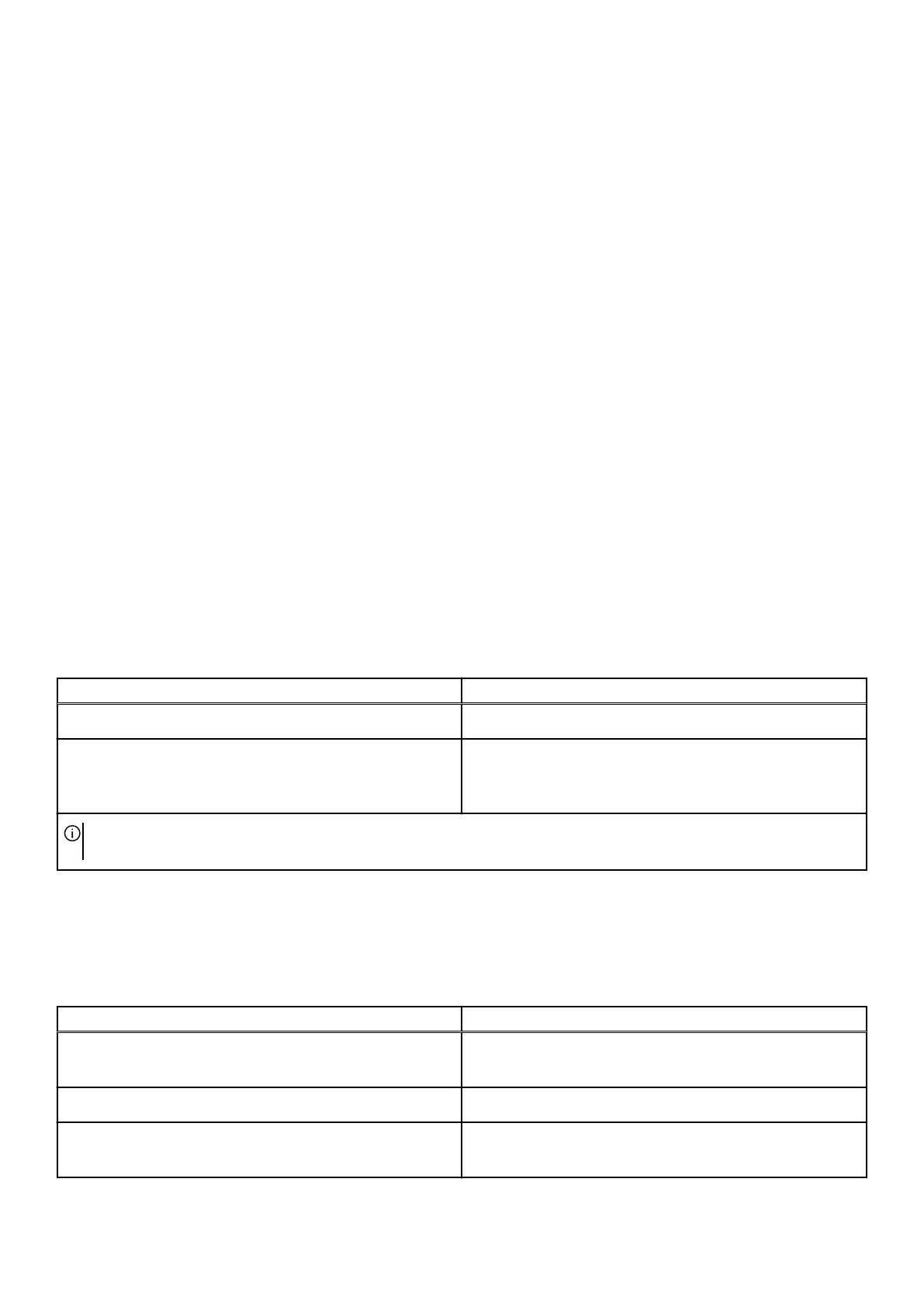
Table 11. Media-card reader specifications
Description Values
Media-card type
One SD-card slot
Media-cards supported
● Secure Digital (SD)
● Secure Digital High Capacity (SDHC)
● Secure Digital Extended Capacity (SDXC)
NOTE: The maximum capacity supported by the media-card reader varies depending on the standard of the media card that is
installed on your computer.
Keyboard
The following table lists the keyboard specifications of your Alienware m18 R2.
Table 12. Keyboard specifications
Description Values
Keyboard type
● RGB per key
● RGB per key, backlit Cherry mechanical keyboard
Keyboard layout
QWERTY
Number of keys
● French: 103
● German: 103
18


 To Next Page