Chapter 2: Basic operating instructions
28 P/N 3102309-EN • REV 001 • ISS 18JUL19
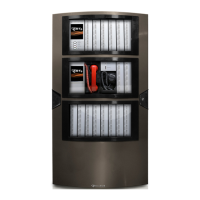
Figure 8: Example of the request, grant, deny function using a control-display module
(1) Control status indicators
Top indicator is steady when the local unit is in control
Bottom indicator is steady when the local unit is not in control
(2) Request Control indicators and switch
Indicator is flashing when a request for control is received
(3) Grant Control s and switch
Indicator is flashing when a request for control is granted
(4) Deny Control indicators and switch
Indicator is flashing when a request for control is denied
To request control:
1. From the control-display module, press the switch labeled to request control. For example, “Request Control”
in Figure 8, item 2.
To grant control:
1. When the control display module’s request for control indicator (Figure 8, item 2) is flashing, press the switch
labeled to grant control. For example, “Grant Control” in Figure 8, item 3.
To deny control:
1. When the control-display module’s request control indicator (Figure 8, item 2) is flashing, press the switch
labeled to deny control. For example, “Deny Control” in Figure 8, item 4.
Making voice and emergency announcements
For an EST4 control unit that includes a 4-MIC microphone or 4-FT firefighter telephone, emergency voice and
alarm communications are supported.
4-MIC microphone
The 4-MIC microphone provides paging capability local to the node, within an notification control area (NCA), or
over an entire network. The 4-MIC assembly incorporates push-to-talk (PTT) LED that illuminates when the PTT
button is pressed, and a volume LED that illuminates if the voice level is too loud.
Notes
• All paging functions require a 4-24L series control-display module.
• Your system may be configured differently than described below.
Request
Control
Control
Status
Grant
Control
Deny
Control
(1)
(2)
(3)
(4)


 To Next Page