T-SM5f Page 17 of 29
MR & MRS OPERATION TABLES
Part 4
4. MAINTENANCE
iii Check tightness of pivot screws and grub
screws on head and leg sections.
iv Check tightness of socket headed pivot
screws (5, Fig. 18) and cap nuts (4, Fig. 18)
on quick release bar (3, Fig. 18) on head and
leg sections.
v Check secureness of grub screw on fine
adjustment handwheel (1, Fig. 18) on head
section only (also see section 4.53).
vi Check clean and lubricate locking pin
(7, Fig. 18) and guide pin (8, Fig. 18) with a
light machine oil on head and leg sections.
4.24 For tables with head and leg sections
incorporating gas spring supports (see note in
section 4.23 above for the Serial Numbers of tables
that do) refer to Fig. 19 and proceed as follows
noting WARNINGS and CAUTIONS preceding
section 4.21:
i Check, clean and lubricate guide pin catches
as 4.23(i) above.
ii Check clean and lubricate locking pin (23)
and guide pin (25) with a light machine oil
on head and leg sections
iii Test the action of the release handle and gas
spring. If the gas spring support is
unsatisfactory (head or leg section fails to
maintain its position) the complete gas spring
unit must be replaced, they cannot be serviced
(see section 4.58). Also seepage of fluid
indicates a failing unit that must be replaced.
iv Examine the radiographic top panel for signs
of any damage (e.g. cracks or chips) and
check that the securing spring collars of the
radiographic top are not damaged.
FAULT DIAGNOSIS AND REMEDIES
Excessive rotational movement of table top
4.25 Rotational movement of the table top is
controlled by the tapered ram key (3, Fig. 4).
Excessive movement is due to wear of the ram
key increasing the clearance in the keyway. This
can be corrected by slightly loosening the ram key
clamping bolts (4, Fig. 4), gently tapping the key
into the keyway until excess movement has been
removed and retightening the clamping bolts.
Check that the ram key has not been over-
tightened by fully raising and lowering the table
top. If the table top will not raise or lower correctly,
the ram key has been over-tightened and must be
slackened until normal raising and lowering of
the table top can be achieved.
Inability to raise table top
4.26 If normal operation of the height control
pedal fails to raise the table with the pedal
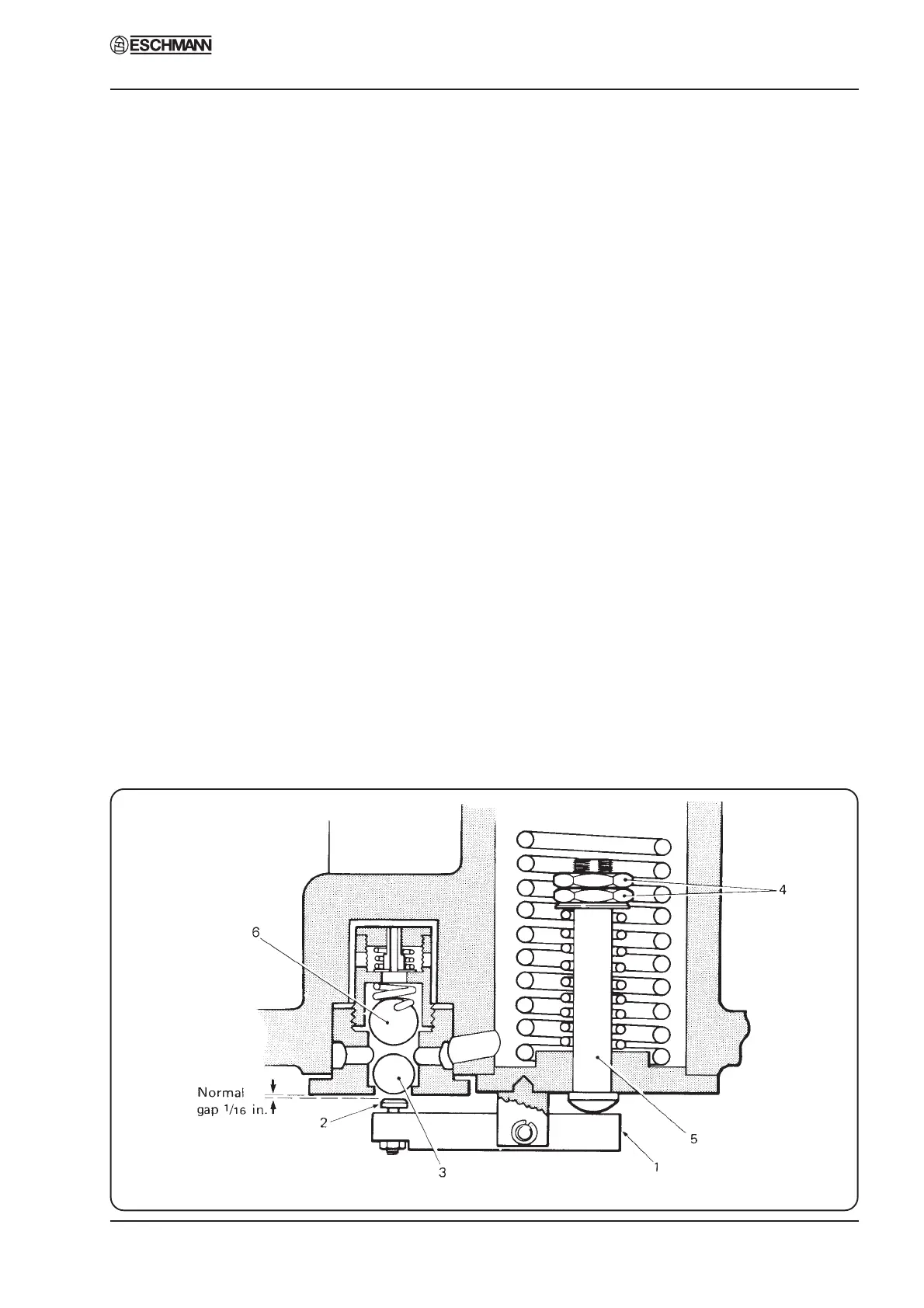
Fig. 14 Ram release mechanism - adjustment



 To Next Page